How TEFCA Is Revolutionizing Disability Benefits Determinations in Hospitals

The Disability Benefits determination system traditionally faced delays due to outdated, fax-based workflows. With TEFCA, hospitals can now share electronic health records swiftly, reducing processing times from months to instantaneous exchanges. This post explores how TEFCA implementation is enhancing hospital operations and benefits processing.
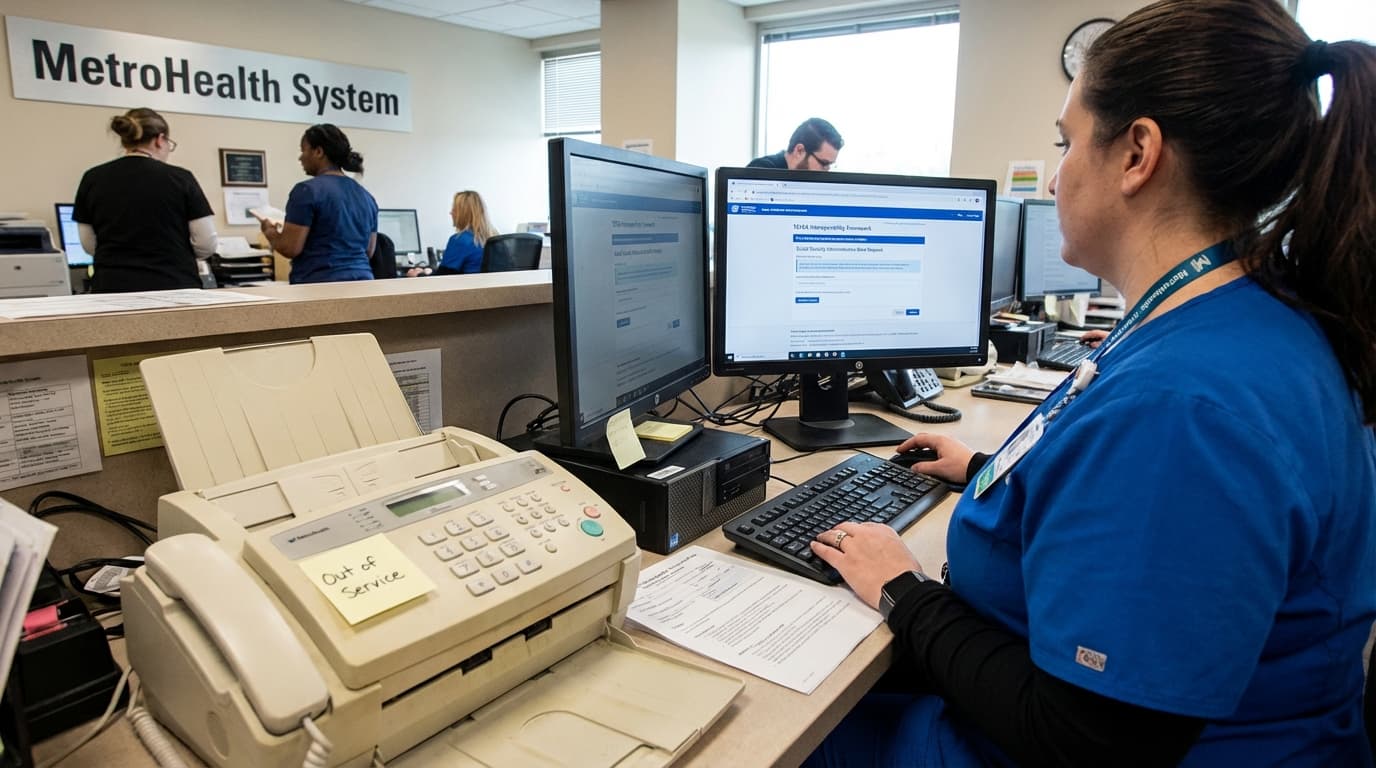
The process of determining disability benefits within hospitals has long been hampered by inefficiencies that burden both healthcare providers and patients. Historically, the exchange of necessary medical records relied heavily on fax machines and manual processes, extending the time required to finalize determinations to several months. This delay not only increases administrative overhead but also prolongs wait times for patients awaiting crucial benefits that impact their quality of life.
Enter the Trusted Exchange Framework and Common Agreement (TEFCA), an interoperability framework designed to facilitate seamless and secure electronic exchange of health information across disparate systems. Recently, the Social Security Administration (SSA) has integrated TEFCA into its operations, marking a significant stride in modernizing disability benefits determinations.
Dr. David Kaelber, the chief health informatics officer at MetroHealth System in Ohio, explains that TEFCA’s implementation is replacing the erstwhile fax-driven process with near real-time data sharing capabilities. This shift is not merely a technological upgrade, but a fundamental transformation that accelerates the flow of information between hospitals and the SSA.
The benefits of this transformation are multifold. For patients, the expedited exchange of records means faster receipt of benefits, which can be critical for securing necessary medical care and financial support. For hospitals, TEFCA reduces the administrative burden associated with managing patient documentation for benefits purposes, allowing healthcare professionals to allocate more time to direct patient care.
Moreover, TEFCA's standardized protocols foster interoperability between healthcare entities that previously operated on isolated systems. This interoperability is key to ensuring that disability determinations are based on complete and up-to-date medical records, thereby improving the accuracy and fairness of benefits decisions.
While the integration of TEFCA is still an evolving process, early implementations such as those at MetroHealth System demonstrate promising outcomes. The framework’s potential extends beyond disability benefits, laying groundwork for broader information sharing that can enhance overall healthcare delivery.
In conclusion, the Social Security Administration’s move onto the TEFCA interoperability framework is a noteworthy advancement in healthcare technology application. By significantly reducing delays through near real-time data sharing, it stands to improve the patient experience, hospital operations, and the efficacy of the disability benefits system.
For further reading, visit the original detailed coverage here: MedCity News.
Join the BioIntel newsletter
Get curated biotech intelligence across AI, industry, innovation, investment, medtech, and policy delivered to your inbox.