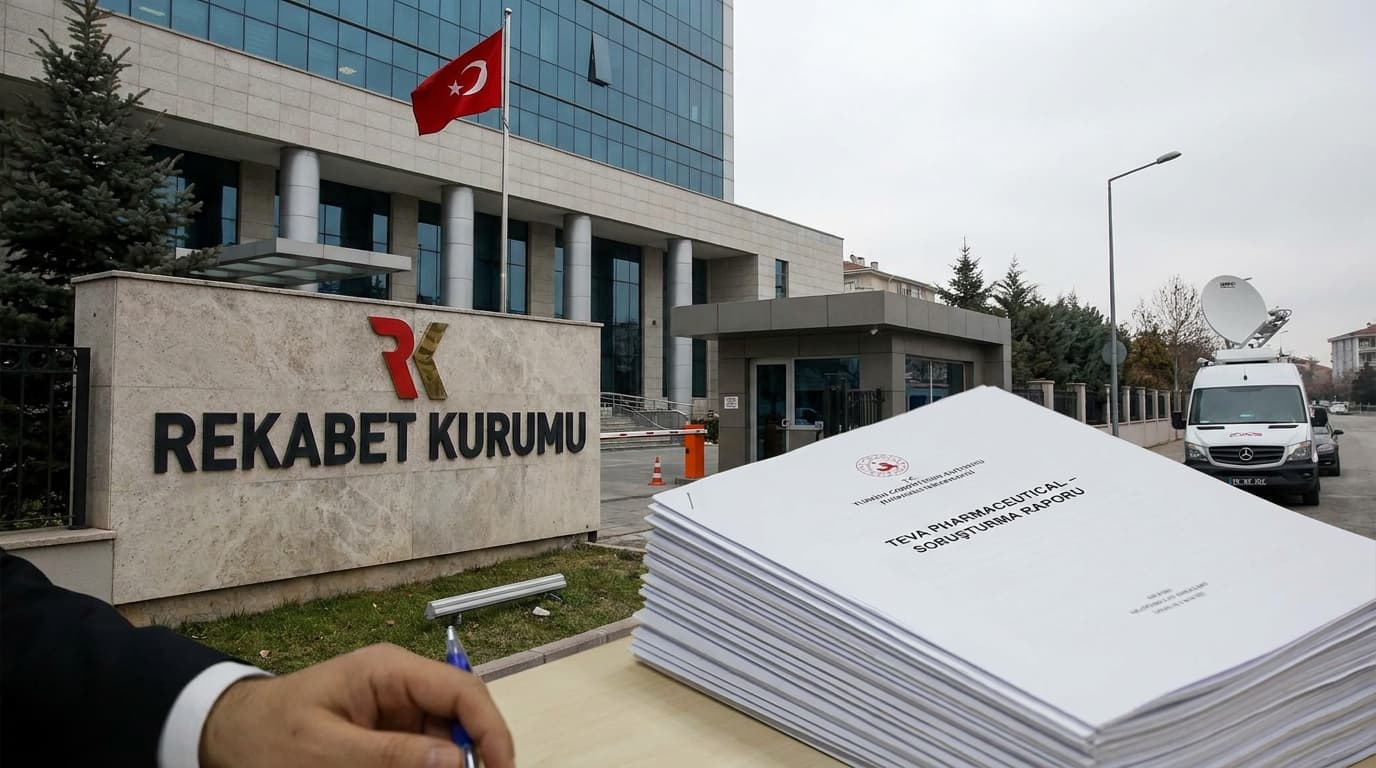
Teva Faces Turkish Antitrust Probe Over Patent Tactics And Rival Drug Statements

Turkey’s Competition Board said Teva may have used practices aimed at making it more difficult for competitors to enter the market. The regulator did not name a specific drug, while a Teva spokesperson linked the matter to the earlier European Commission probe that resulted in a $503 million fine now under appeal.
Turkish antitrust regulators are investigating Teva Pharmaceutical for allegedly manipulating the patent system and making misleading statements to health care authorities about the safety and effectiveness of rival medicines.
According to Turkey’s Competition Board, known as Rekabet Kurumu, the company engaged in “various practices … that may have been aimed at making it more difficult for competitors to enter the market.” The probe was launched earlier this month and was disclosed last Friday on the regulator’s website.
What The Regulator Alleges
The regulator did not mention a specific drug. Its description centers on two types of conduct: alleged gaming of the patent system and alleged misleading statements about competitors’ products to health care authorities.
Those are significant claims because they go beyond a straightforward patent dispute. If regulators frame a case around both exclusionary patent tactics and product disparagement, the commercial issue is not just legal risk for one brand but whether competition in a market was delayed or distorted.
The Broader Context
A Teva spokesperson said the investigation is similar to a probe by the European Commission that, two years ago, ended with the company paying a $503 million fine for delaying competition to its blockbuster Copaxone multiple sclerosis medicine. That case is currently under appeal before the European Court.
The comparison does not establish that the Turkish case involves the same drug or will reach the same outcome. But it does show that competition authorities are still testing whether patent-adjacent conduct and messaging to authorities can amount to market abuse, especially when the company involved is the world’s largest generic drugmaker.
Join the BioIntel newsletter
Get curated biotech intelligence across AI, industry, innovation, investment, medtech, and policy delivered to your inbox.