Two New Takes on Making a Type of Targeted Cancer Therapy Even Better

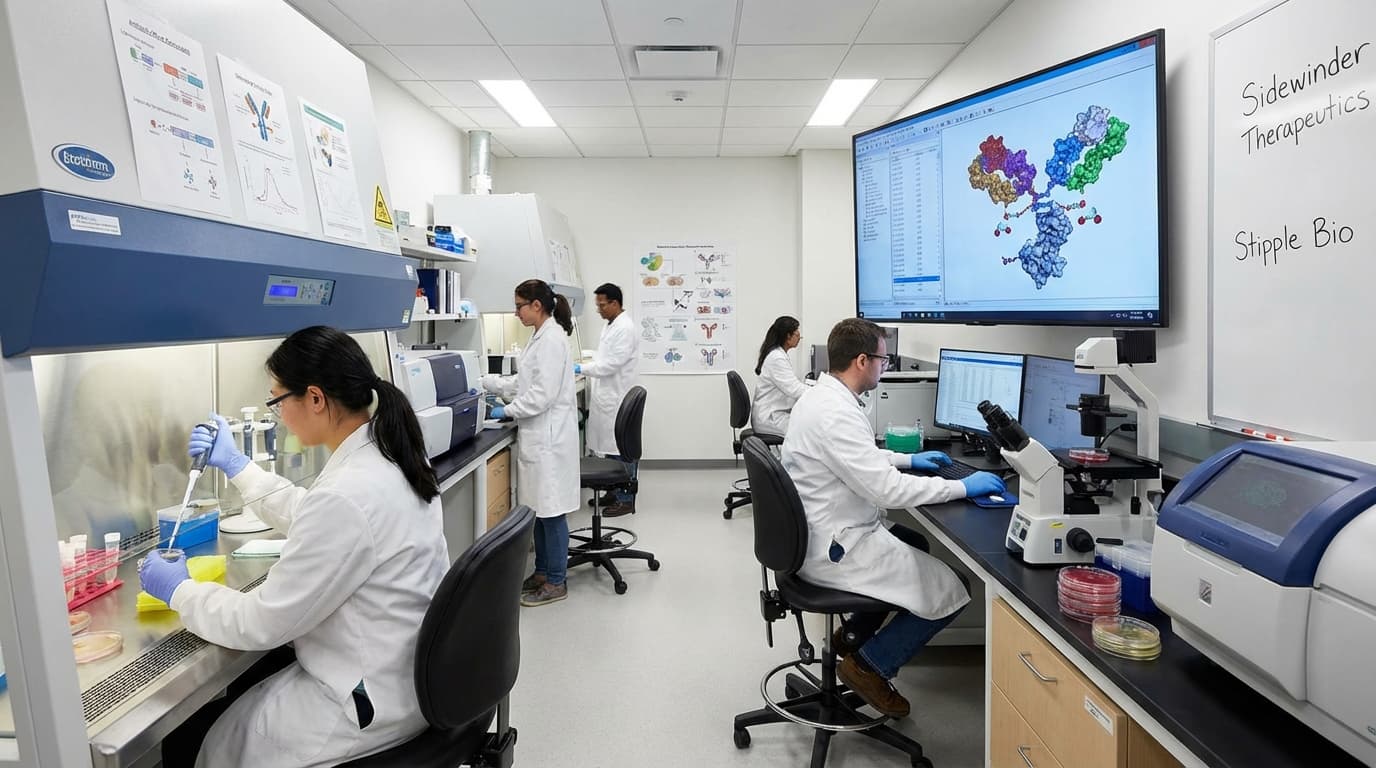
Antibody drug conjugates (ADCs) represent a promising class of targeted cancer treatments that deliver cytotoxic agents directly to tumors. Recent mega-round funding for biotech startups Sidewinder Therapeutics and Stipple Bio underscores the growing interest and innovation in this space. Both companies are on track to enter clinical trials next year to test their novel approaches aimed at overcoming limitations of current ADCs and refining their specificity and effectiveness.
Antibody drug conjugates (ADCs) have emerged as a revolutionary class of precision therapies designed to deliver cytotoxic drugs directly to cancer cells, minimizing damage to healthy tissue and improving therapeutic outcomes. They combine the specificity of monoclonal antibodies that target unique proteins on cancer cells with potent cell-killing agents, thus allowing for targeted destruction of tumors. Despite the promise of ADCs, challenges remain regarding optimizing their targeting capabilities, stability, and safety profiles.
Recently, two innovative biotechnology startups, Sidewinder Therapeutics and Stipple Bio, have garnered significant attention for their efforts to advance the state of ADC technology. Both companies have secured large rounds of financing, commonly referred to as 'mega-rounds', reflecting strong investor confidence in their technology platforms and clinical potential. These substantial funds will support ongoing research and development activities and prepare them to enter clinical trials planned for next year.
Sidewinder Therapeutics is focused on enhancing the targeting precision of ADCs through novel engineering strategies. Their approach aims to improve tumor specificity while reducing off-target toxicity, which has been a persistent challenge with first-generation ADCs. By advancing the molecular design of both the antibody components and the drug linker chemistry, Sidewinder seeks to refine payload delivery to maximize cancer cell kill rates and minimize side effects.
Stipple Bio also pursues innovations in antibody drug conjugate development with a distinct technology platform aimed at overcoming biological hurdles that limit ADC effectiveness. The company’s approach includes enhancing the selective binding to cancer cell antigens and engineering ADCs that can evade mechanisms tumors use to resist treatment. Stipple’s work is poised to address unmet needs in oncology, particularly for cancer types that currently lack effective targeted therapy options.
Both companies’ progress towards clinic entry signals a pivotal moment in the field of targeted cancer therapy. Clinical trials will provide crucial data on safety, dosing, and efficacy that could pave the way for new treatment options offering improved outcomes for patients with various solid tumors and hematologic cancers.
The recent mega-round financing secured by these startups also underscores a broader investment trend in oncology biotech, where investors are increasingly drawn to novel modalities capable of addressing precision medicine demands. The emergence of these advanced ADC technologies exemplifies this momentum and highlights the biotech industry’s efforts to translate scientific breakthroughs into transformative therapies.
These developments also complement ongoing work by other biopharmaceutical companies focusing on ADCs and targeted therapies, illustrating a dynamic and competitive landscape. Collaborations between startups, academic institutions, and larger pharmaceutical companies will be essential to accelerate innovation and broaden the availability of next-generation cancer therapies.
In summary, the advancements spearheaded by Sidewinder Therapeutics and Stipple Bio represent promising new avenues in improving antibody drug conjugates. With impending clinical trials and substantial financial backing, these companies exemplify the potential for innovation to refine targeted cancer treatment modalities, ultimately aiming to enhance patient outcomes and reduce side effects associated with chemotherapy.
Source: MedCity News
Join the BioIntel newsletter
Get curated biotech intelligence across AI, industry, innovation, investment, medtech, and policy delivered to your inbox.