 Jan 28, 2026
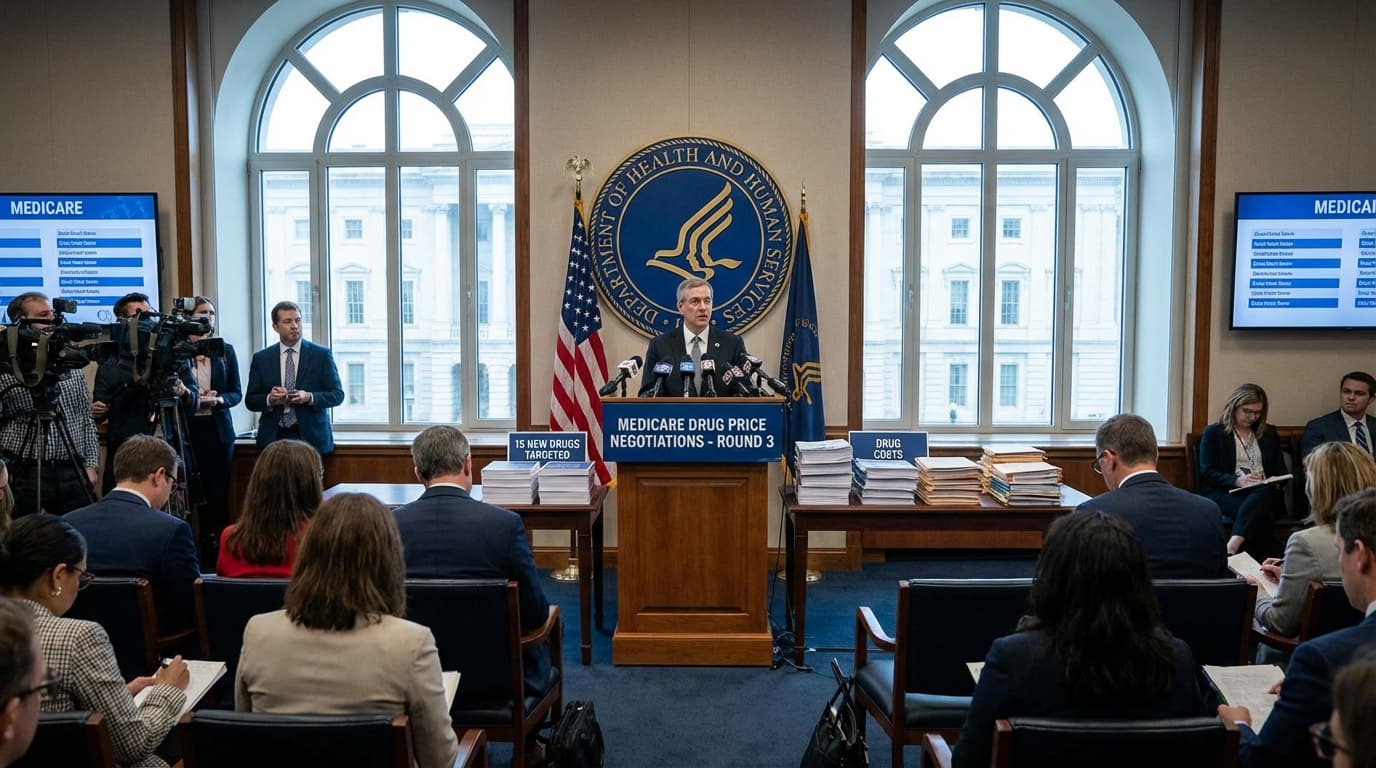
The recent announcement by the Trump administration introduces 15 additional drugs into the Medicare price negotiation process. This includes, for the first time, treatments administered in doctors' offices, marking a significant expansion in the government's approach to controlling drug spending within Medicare. This policy development could have wide-reaching implications for patients, providers, and pharmaceutical companies.
 TCB Team
 Jan 27, 2026
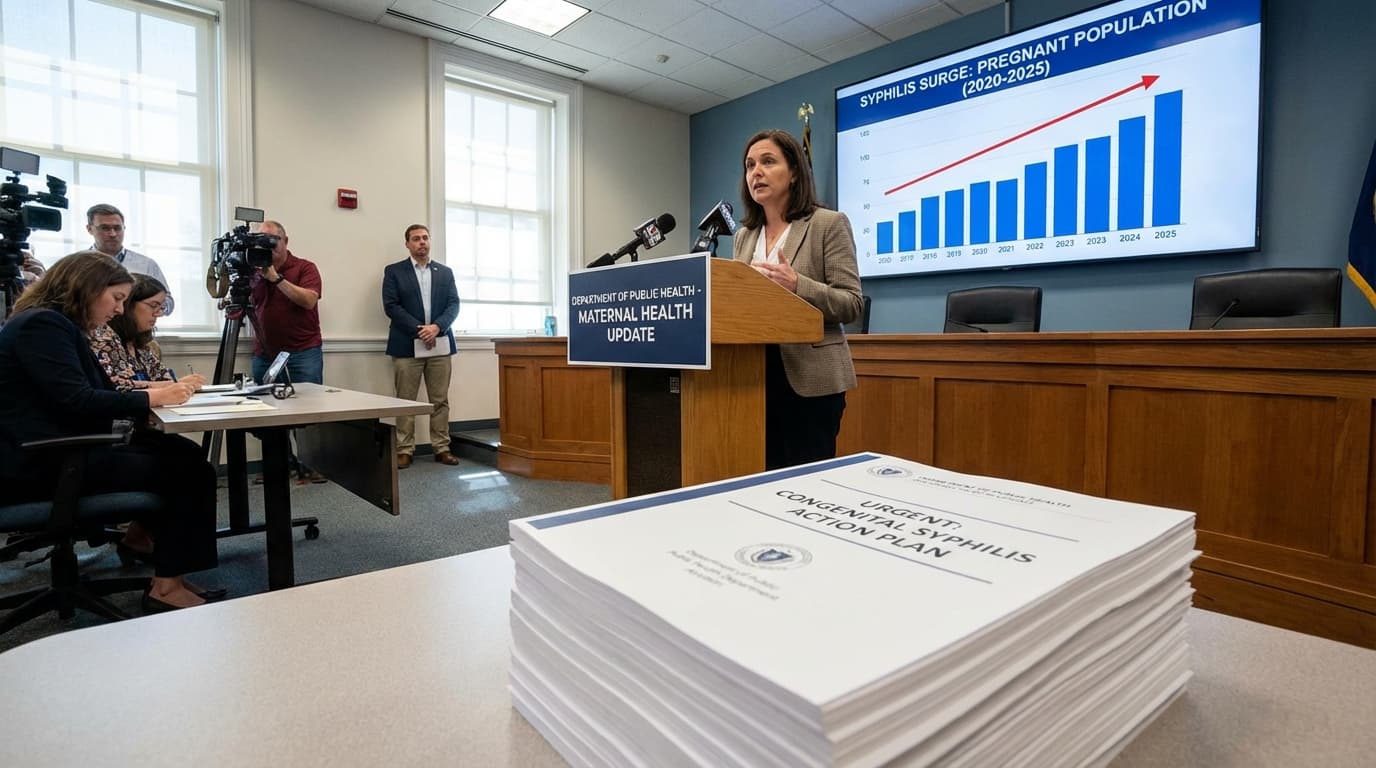
Recent data indicate a troubling surge in syphilis infections among pregnant populations. This escalation poses serious risks to both maternal and infant health, demanding urgent attention to screening, prevention, and treatment practices in healthcare settings.
TCB Team  Jan 27, 2026
Delayed by misconceptions and stress, FDA inspections are essential regulatory processes. This exploration delves into how the industry can embrace inspections as a reflection of ongoing compliance and system integrity rather than episodic pressure points.
 Sophia Reynolds
 Jan 26, 2026
The U.S. Food and Drug Administration has created a 'plausible mechanism pathway' to expedite one-time gene-editing cures, a move that could significantly advance personalized medicine. However, this regulatory shift is sparking debate among ethicists and medical communities about potential risks and oversight challenges associated with cutting-edge gene-editing technologies.
Sophia Reynolds 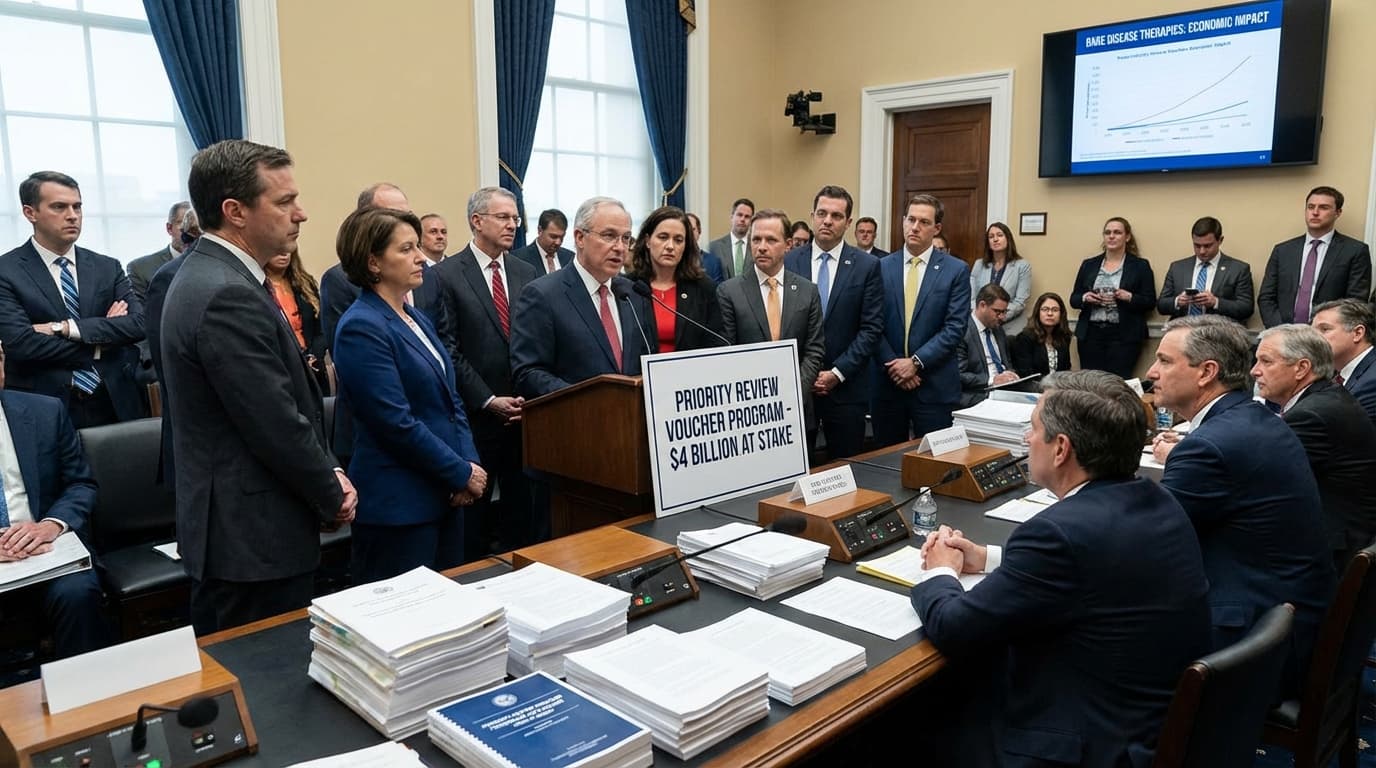 Jan 26, 2026
The pediatric priority review voucher program has been a crucial incentive for biotechs developing therapies for rare diseases, especially those affecting children. The program's lapse puts at risk significant financial and developmental momentum in the sector, with ramifications for patients and companies alike.
 Daniel Cho
 Jan 24, 2026
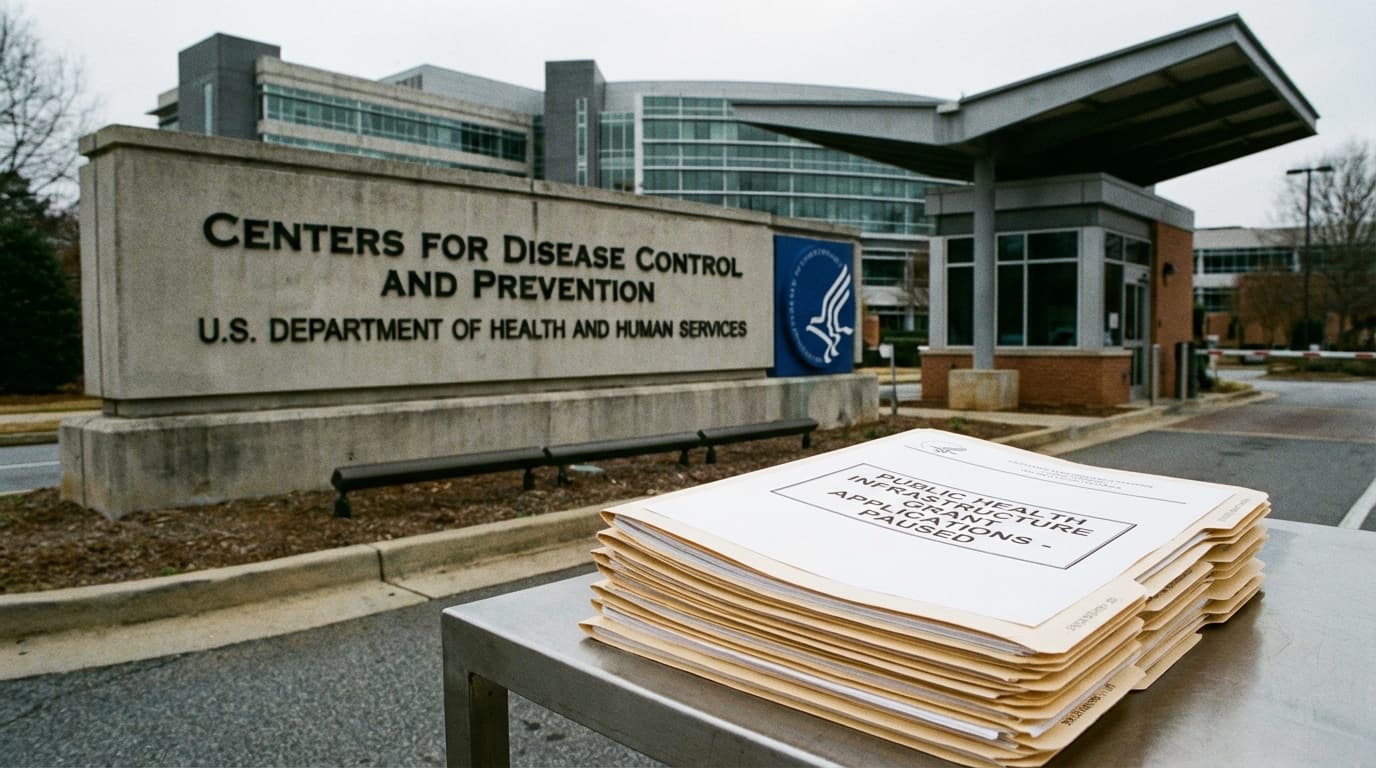
The Centers for Disease Control and Prevention (CDC) has unexpectedly halted the disbursement of billions in public health infrastructure grants to various states and organizations. This pause threatens to disrupt modernization projects vital for disease surveillance, emergency preparedness, and health data interoperability. The move comes amid growing scrutiny over federal funding allocations and priorities in the aftermath of the pandemic.
TCB Team 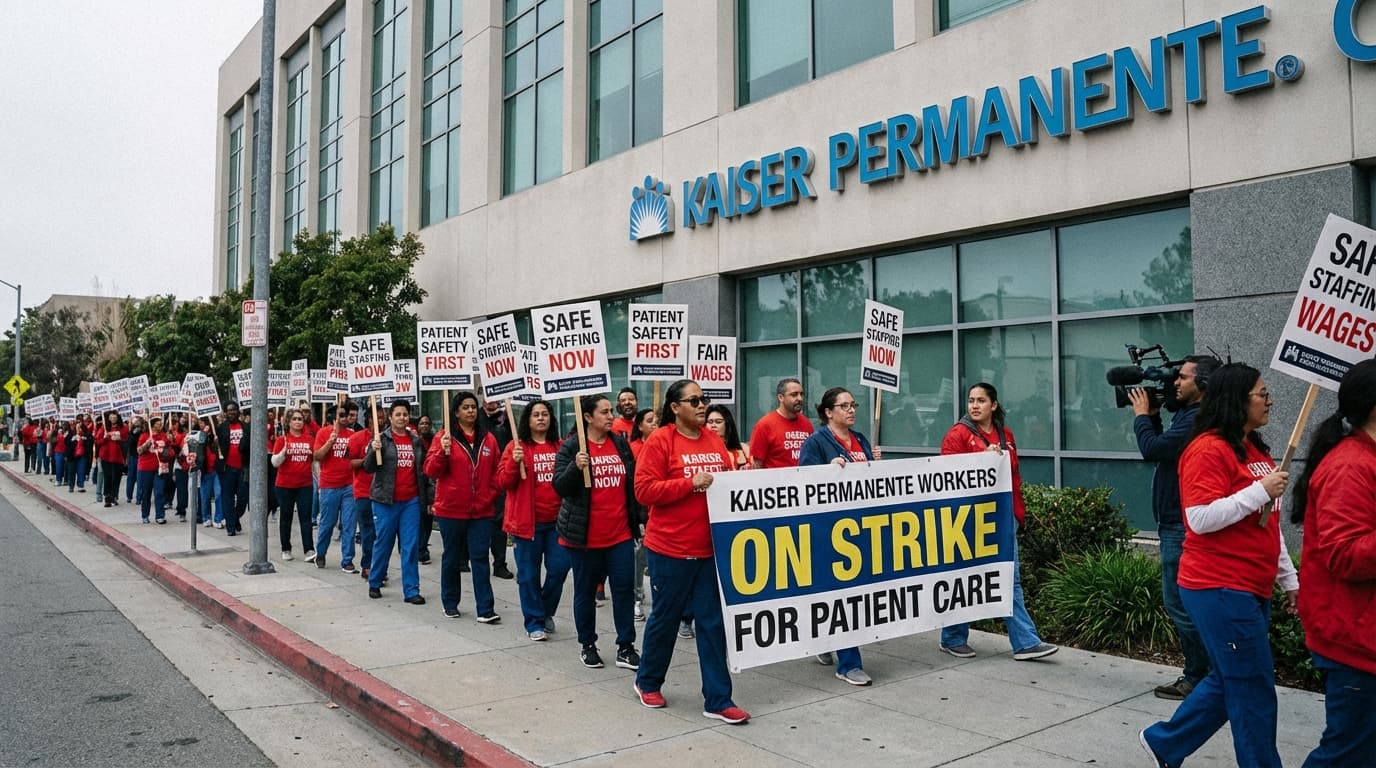 Jan 24, 2026
In early 2026, a major strike by Kaiser Permanente’s healthcare workforce has brought attention to persistent challenges in the healthcare system, including staffing shortages and the struggle to balance patient care with sustainable working conditions. This detailed analysis explores the background, causes, and potential implications of the strike for the healthcare sector.
 Emily Carter
 Jan 23, 2026
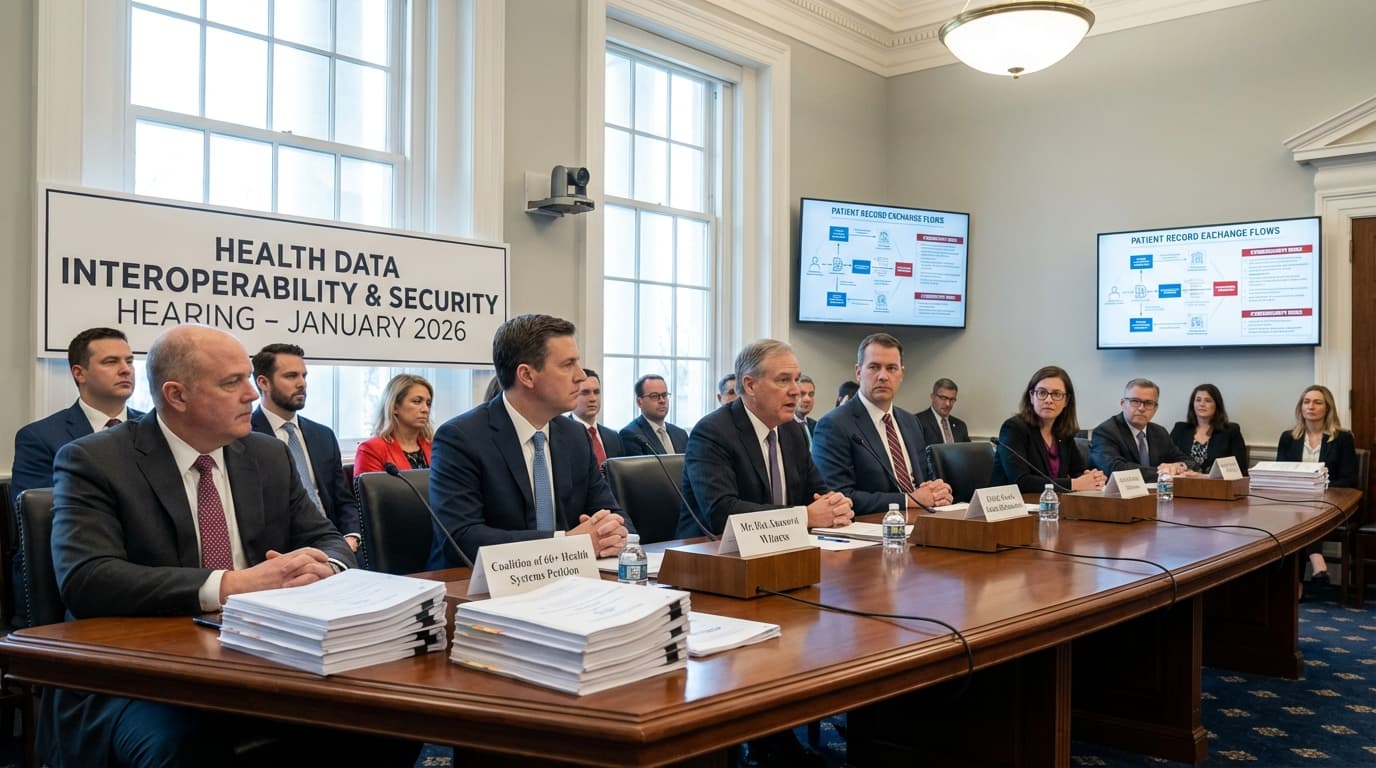
Health systems nationwide have raised concerns regarding current vulnerabilities in the exchange of electronic health records. This article explores the motivations behind their collective appeal, the risks posed by inadequate data security, and the broader implications for patient care and regulatory reform.
TCB Team 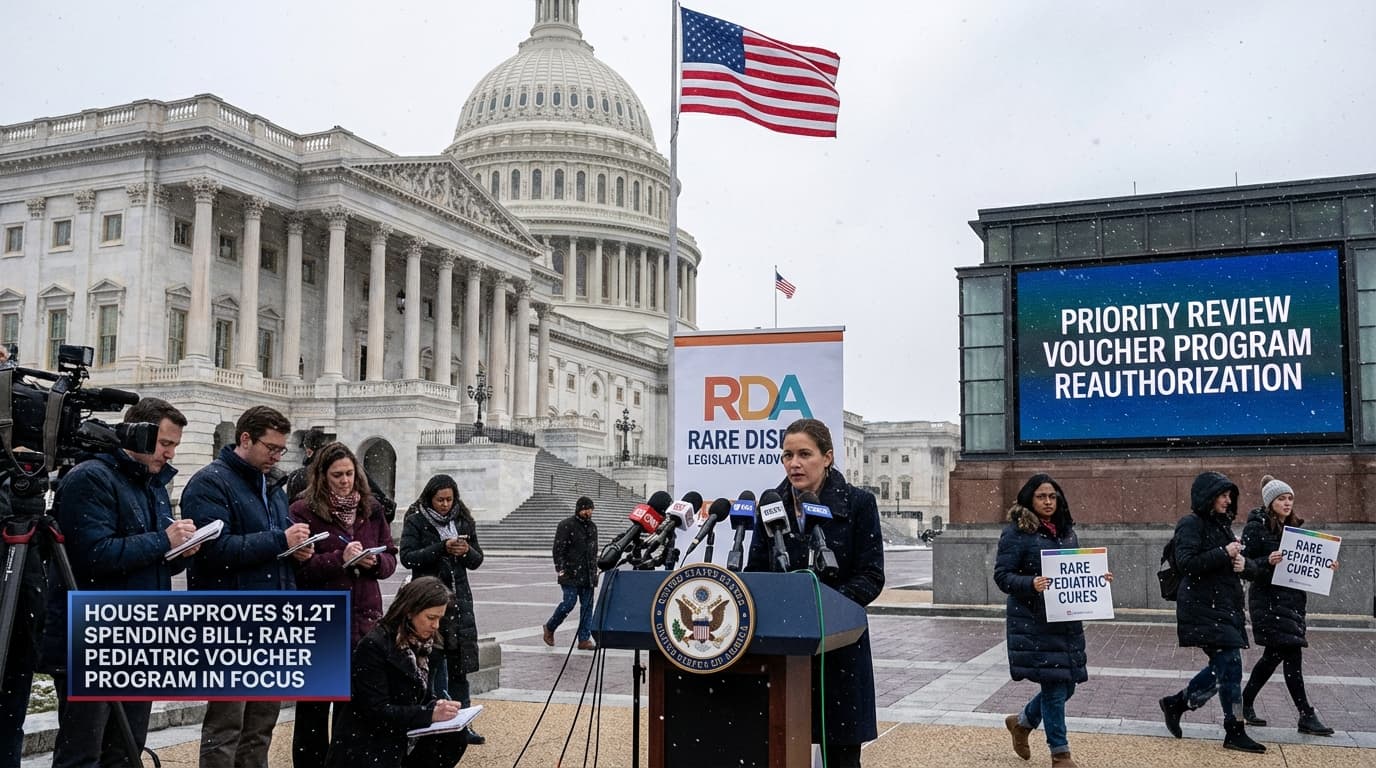 Jan 23, 2026
The rare pediatric disease priority review voucher program, a key FDA initiative designed to incentivize drug development for rare pediatric diseases, faced uncertainty after missing reauthorization in 2024. The recent House spending bill vote signals potential for revival as the bill moves to the Senate.
 Jonathan Blake
 Jan 23, 2026
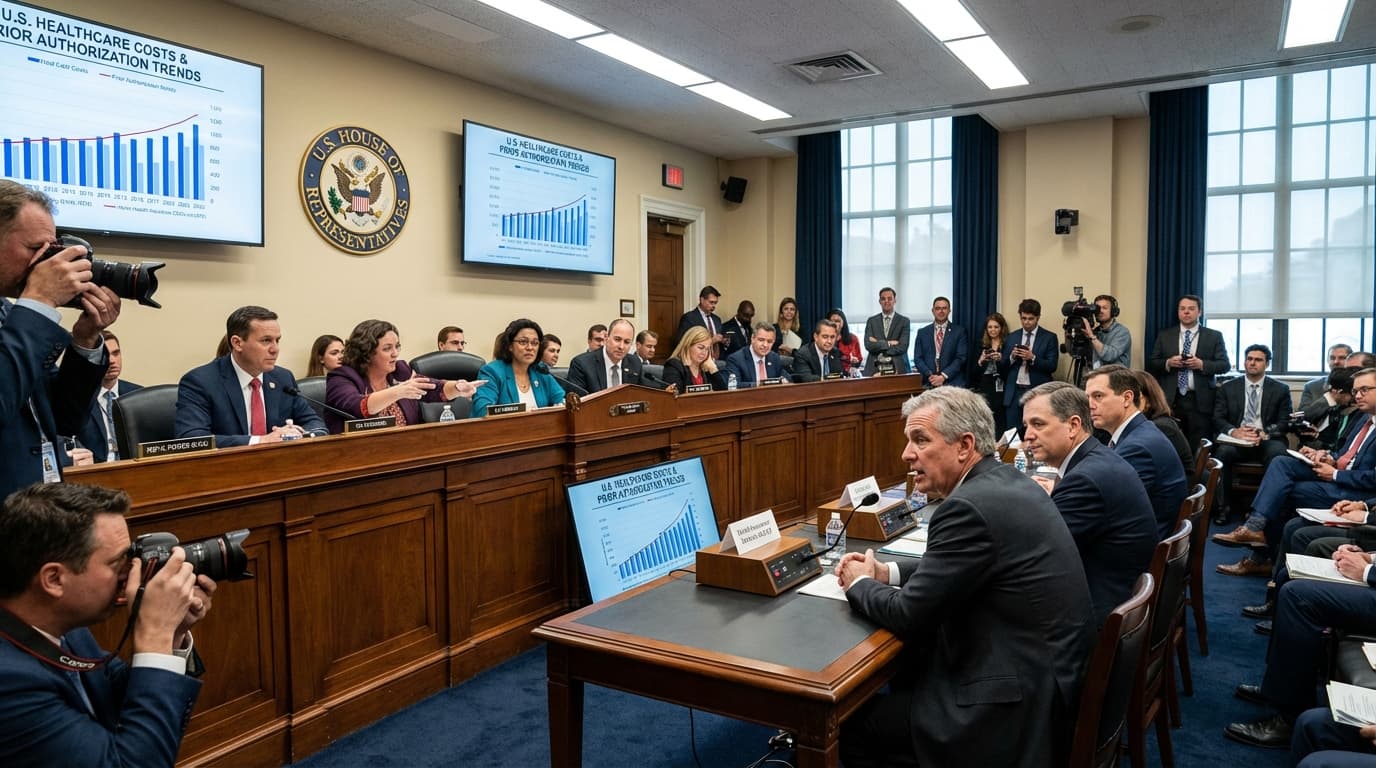
Amid rising healthcare expenses and growing scrutiny, lawmakers conducted two House hearings to interrogate health insurance CEOs. The discussions revealed key insights into the industry's stance on cost drivers, structural market dynamics, and administrative hurdles that affect patient care and system efficiency.
Jonathan Blake  Jan 21, 2026
The removal of Ash, a therapy chatbot developed by Slingshot AI, from the UK market highlights the increasing scrutiny and regulatory challenges faced by digital therapeutic tools. This article analyzes the regulatory environment, the implications for digital mental health products, and the broader context of AI-driven therapies.
Emily Carter 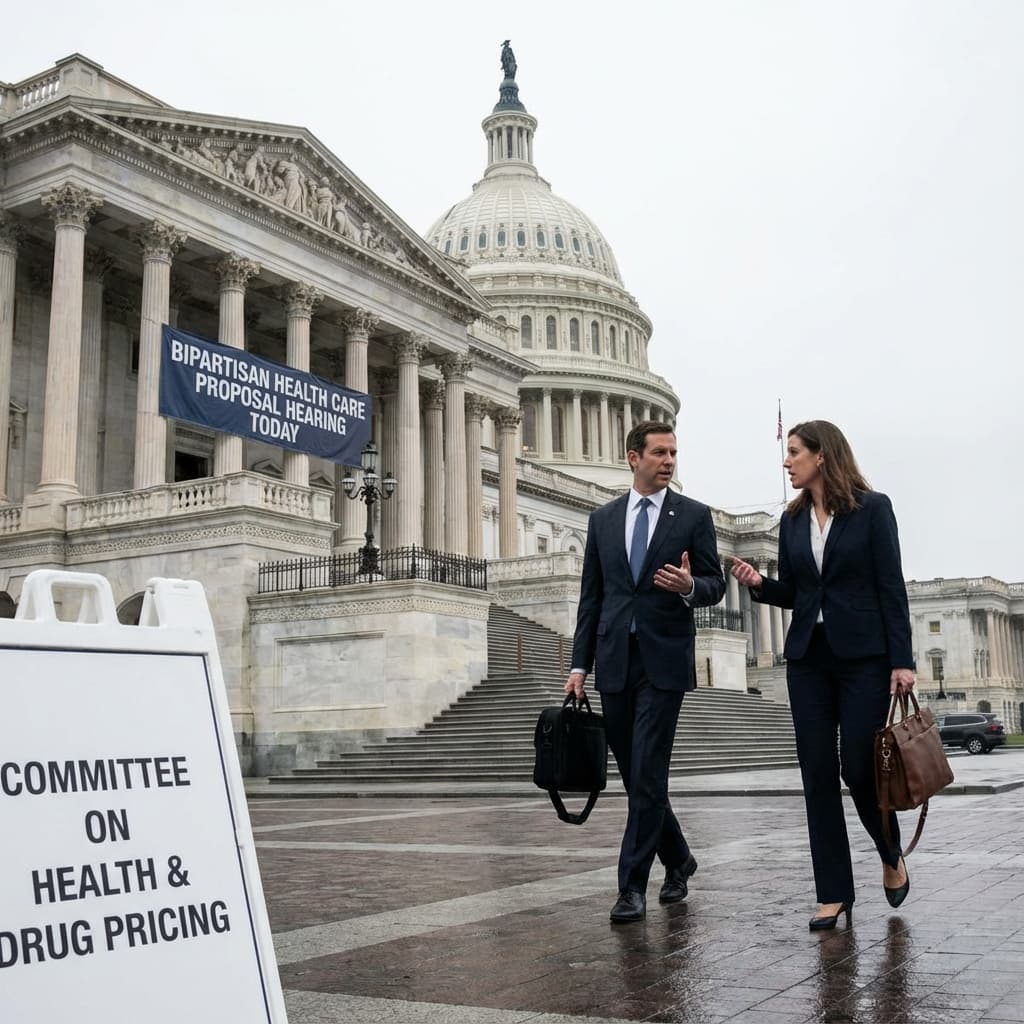 Jan 20, 2026
After previously being stymied, elements of a bipartisan health care package have reemerged in Congressional discussions. Central to the proposal are updated regulations on pharmacy benefit managers and strategies to mitigate drug pricing inflation, reflecting the complexity and urgency in reforming the U.S. health care system.
TCB Team 