 Jan 19, 2026
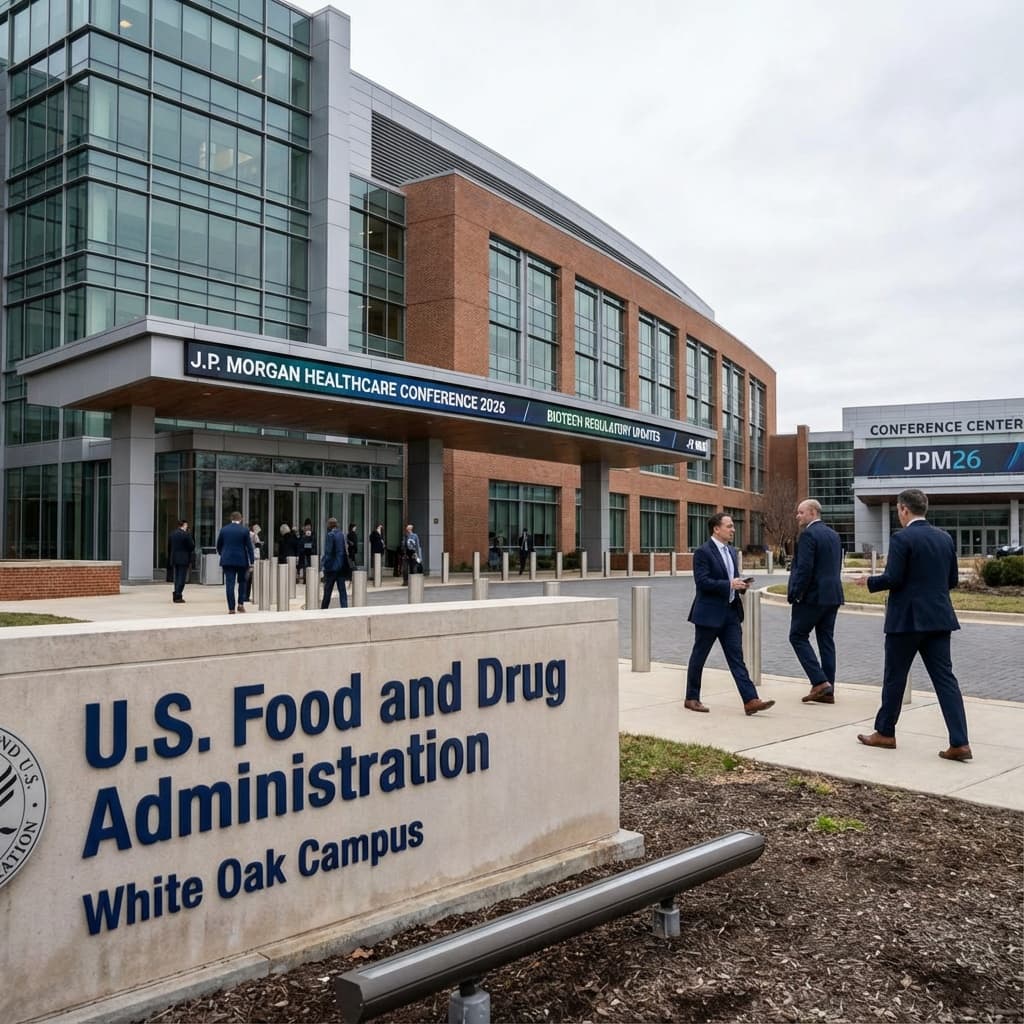
The 2026 J.P. Morgan Healthcare Conference illuminated critical themes in biotech regulatory affairs. Companies conveyed a collective push for harmony with the FDA concerning clinical trial protocols and expedited approval pathways. Nonetheless, the conference also underscored ongoing regulatory complexities through cases like Atara’s recent therapy denial.
 TCB Team
 Jan 17, 2026
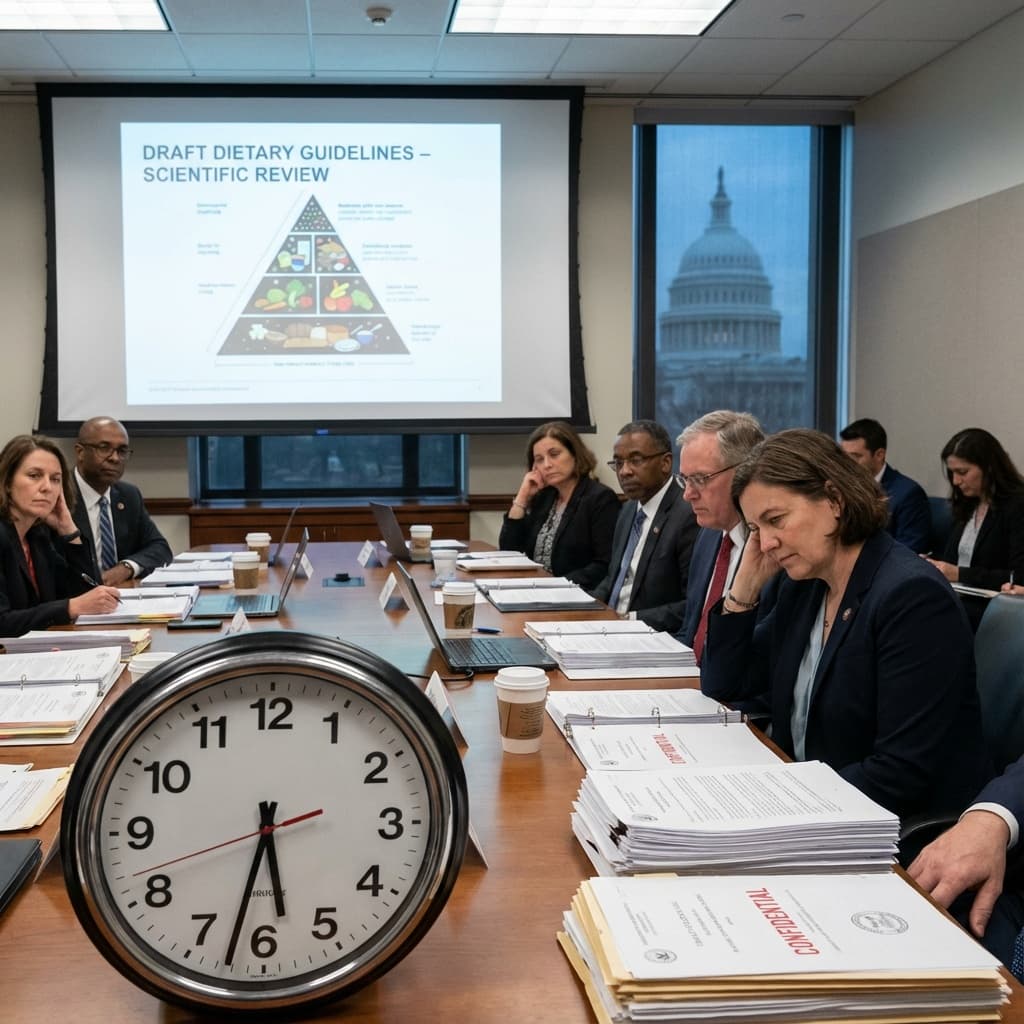
The updated food pyramid, a cornerstone of public health nutrition advice, has emerged amid criticism regarding opaque scientific practices and the influence of industry funding on the scientific panel responsible for its creation. This post unpacks the challenges and pressures faced during the guideline development process.
TCB Team 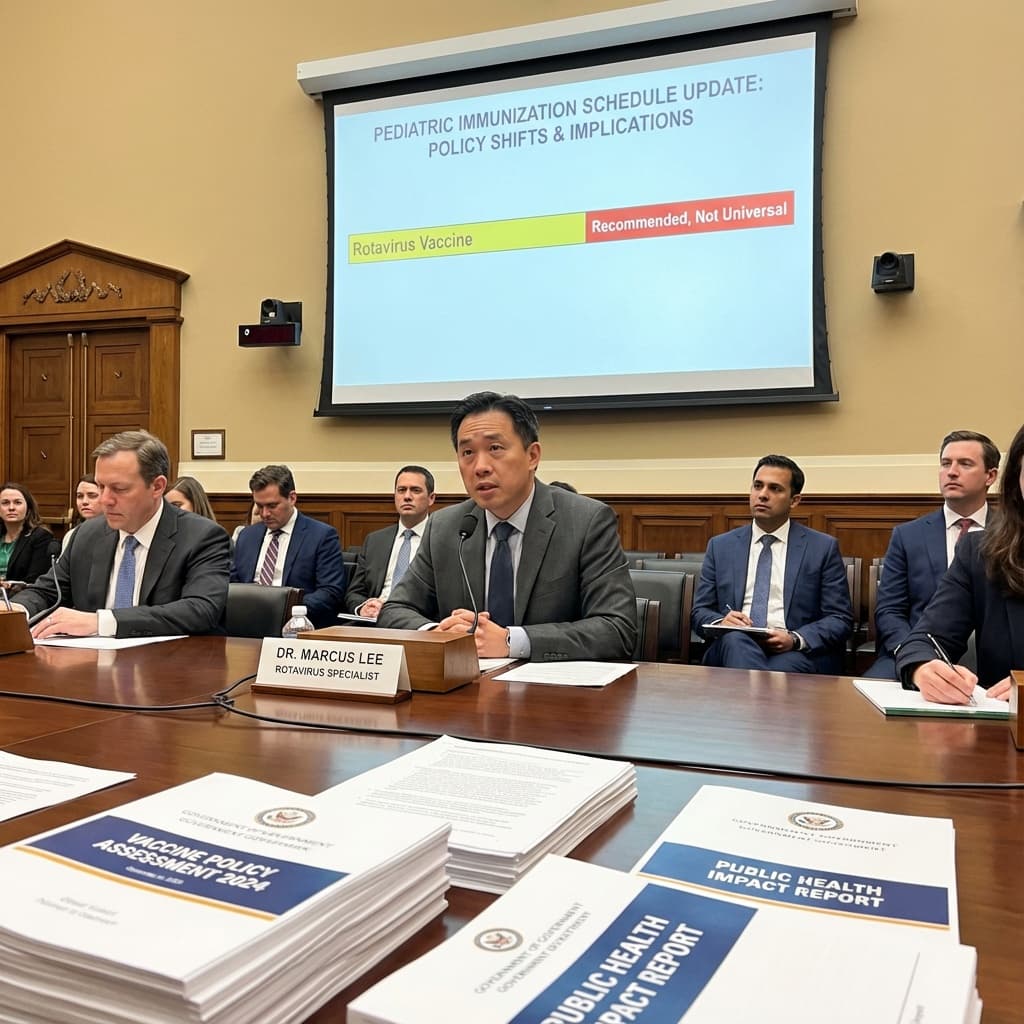 Jan 17, 2026
Rotavirus, a leading cause of severe diarrhea in young children, was once broadly prevented through universal vaccination programs. However, recent changes in vaccine recommendations have sparked debate among experts concerning public health outcomes and preventable disease burdens.
TCB Team 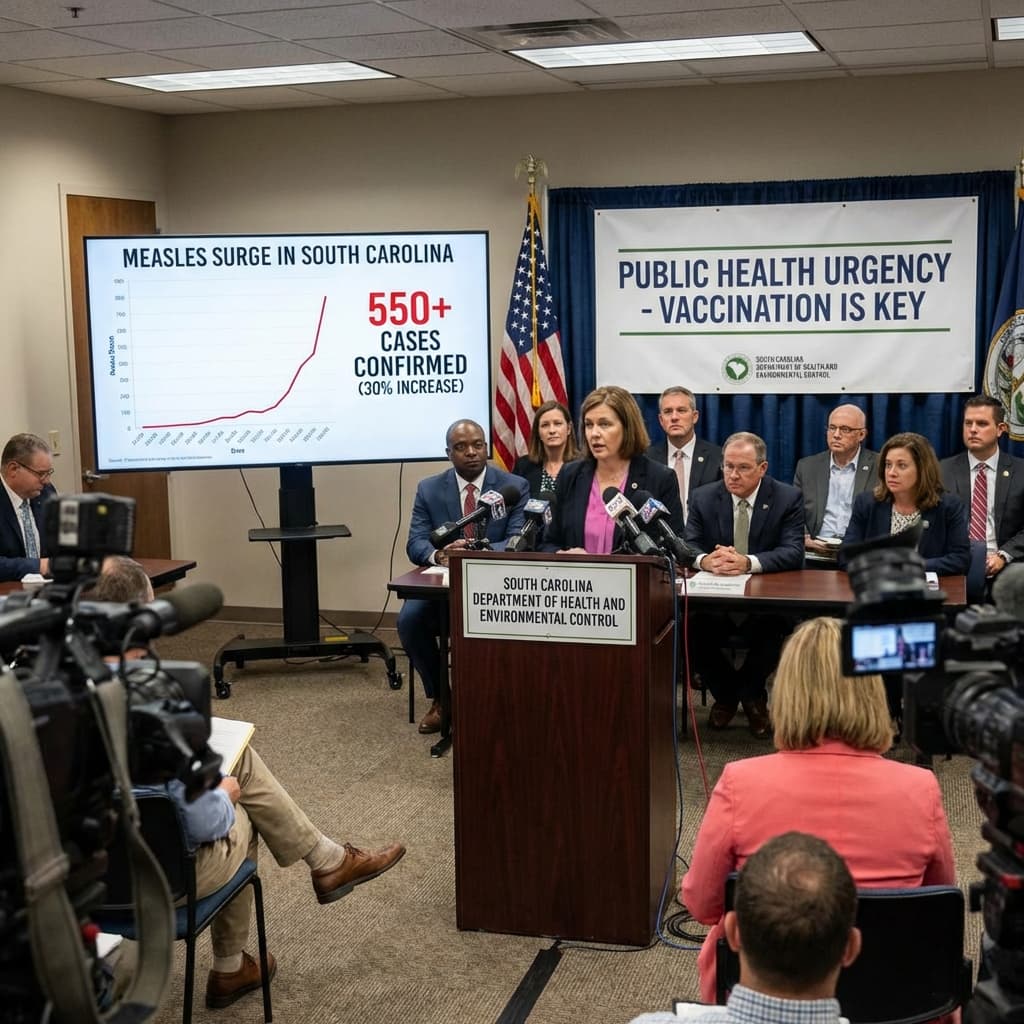 Jan 16, 2026
Recent data from South Carolina's state health officials reveal a nearly 30% increase in reported measles cases over the last few days, reaching more than 550 cases. This resurgence poses critical questions about vaccination coverage, outbreak containment, and healthcare system preparedness.
TCB Team 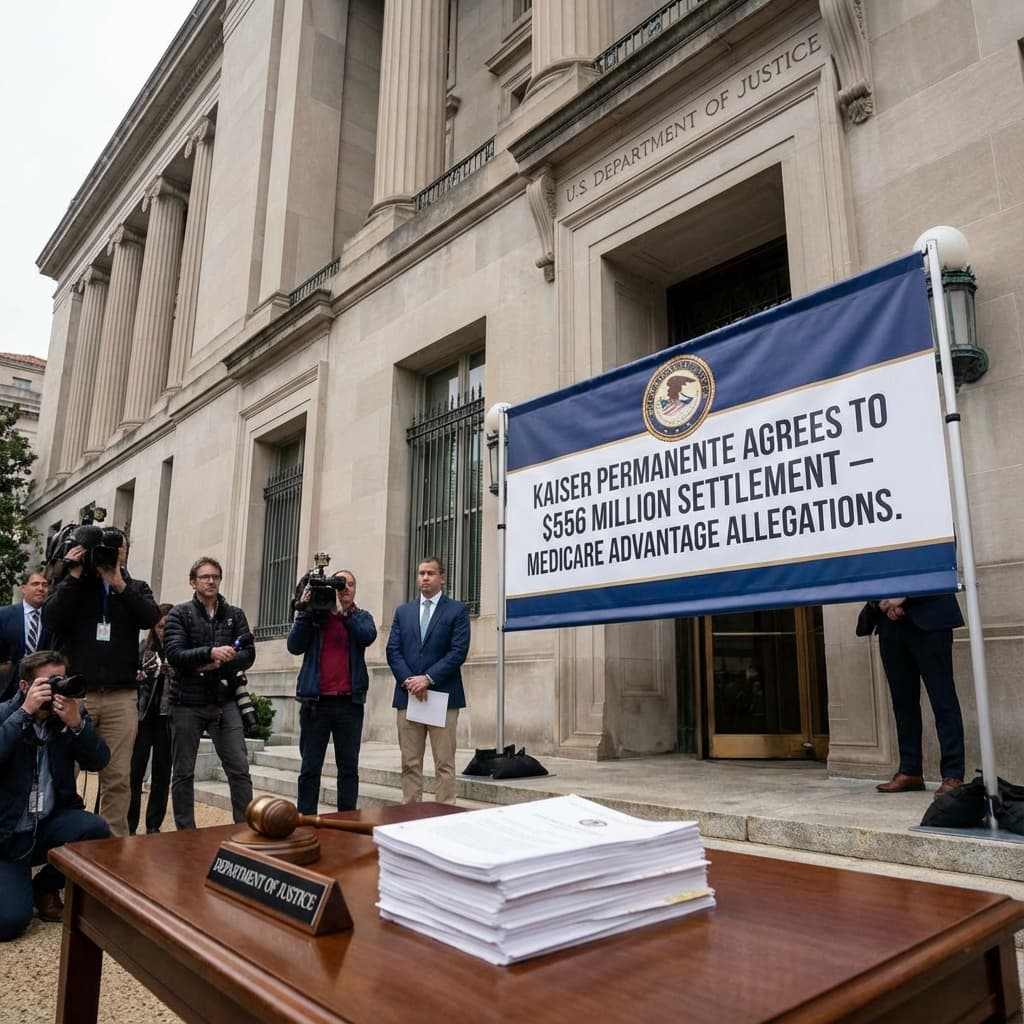 Jan 16, 2026
The settlement marks one of the largest risk-adjustment settlements in recent history, underscoring ongoing federal scrutiny of Medicare Advantage programs. This case highlights the complexities and regulatory challenges facing healthcare organizations operating within government programs.
TCB Team 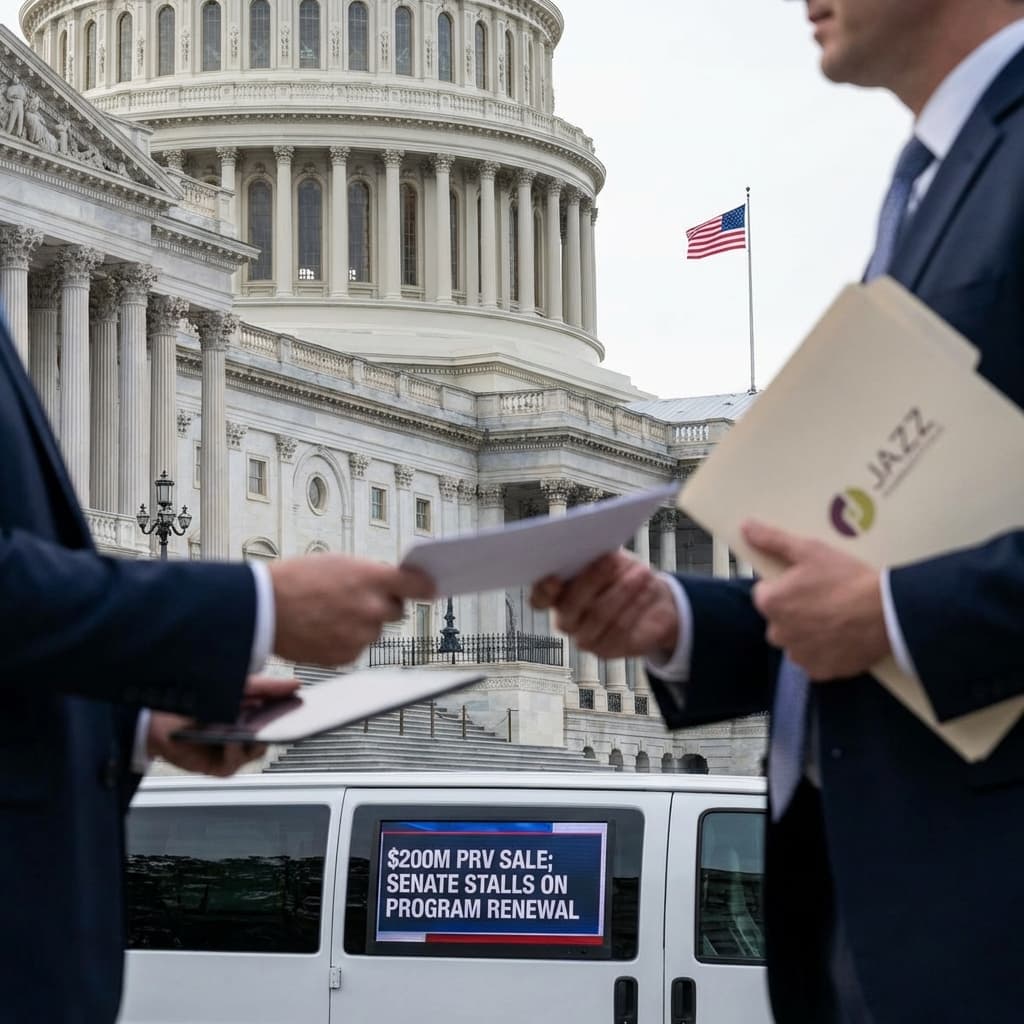 Jan 15, 2026
Jazz Pharmaceuticals recently sold one of its Priority Review Vouchers (PRVs) for $200 million, marking a substantial financial transaction as the future of the PRV program hangs in the balance due to legislative delays. The details of the buyer remain undisclosed, and the allocation of the remaining proceeds is unclear, emphasizing the nuanced complexities in biotech regulatory incentives.
TCB Team 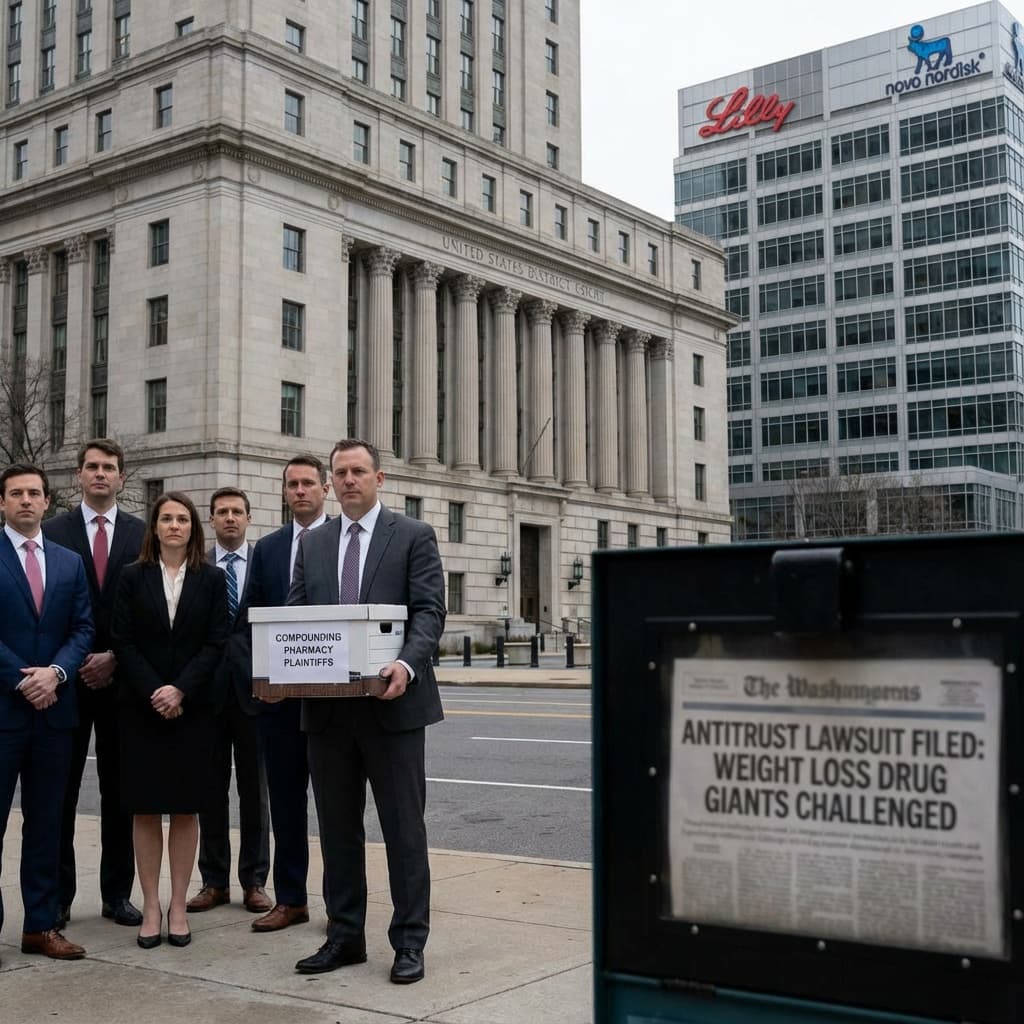 Jan 15, 2026
The burgeoning weight loss drug market has recently faced legal scrutiny as a compounding pharmacy alleges anticompetitive tactics by leading biopharmaceutical companies Eli Lilly and Novo Nordisk. This lawsuit brings further attention to the competitive dynamics and regulatory challenges in the obesity treatment sector.
TCB Team 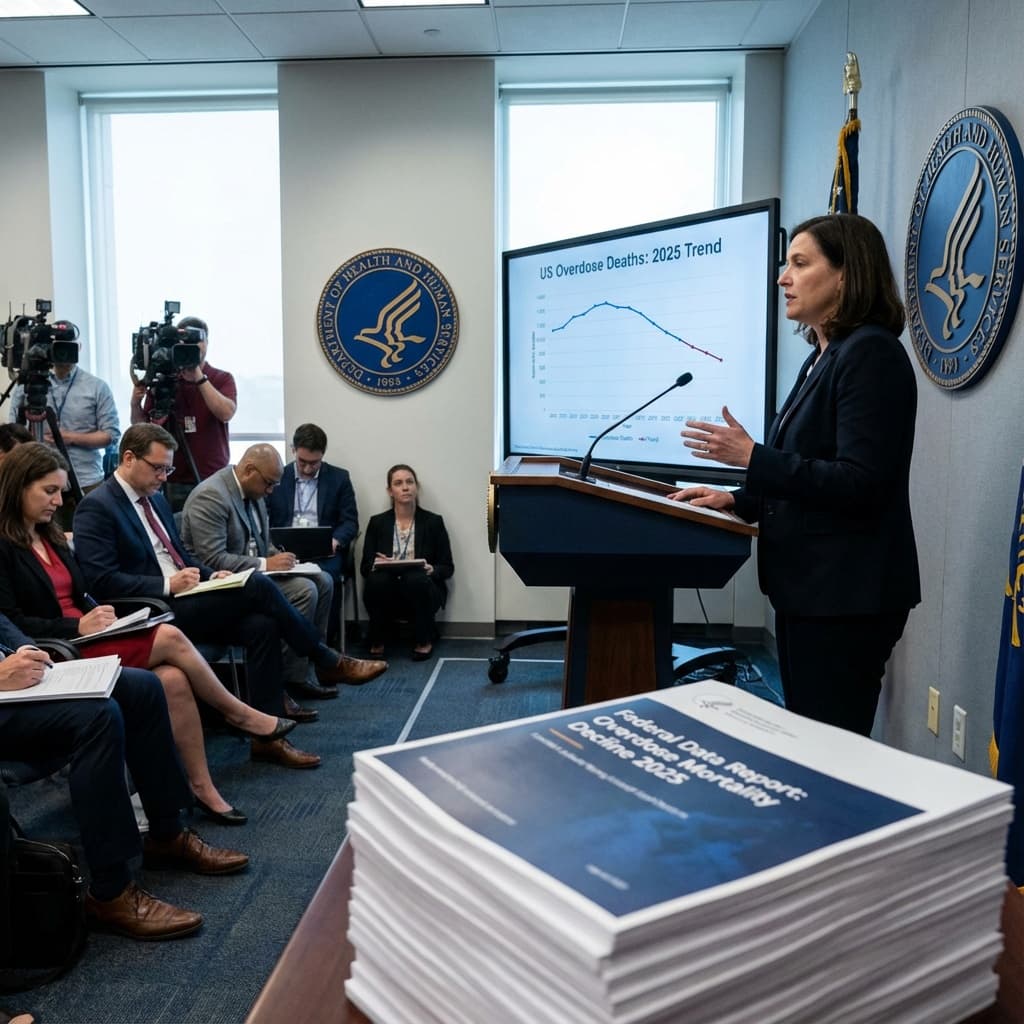 Jan 14, 2026
The year 2025 marked a hopeful shift in the battle against drug overdose deaths in the United States, with federal data showing a decline across much of the year. This trend indicates that sustained public health and regulatory efforts may be yielding measurable benefits in a crisis that has impacted the nation for decades.
TCB Team 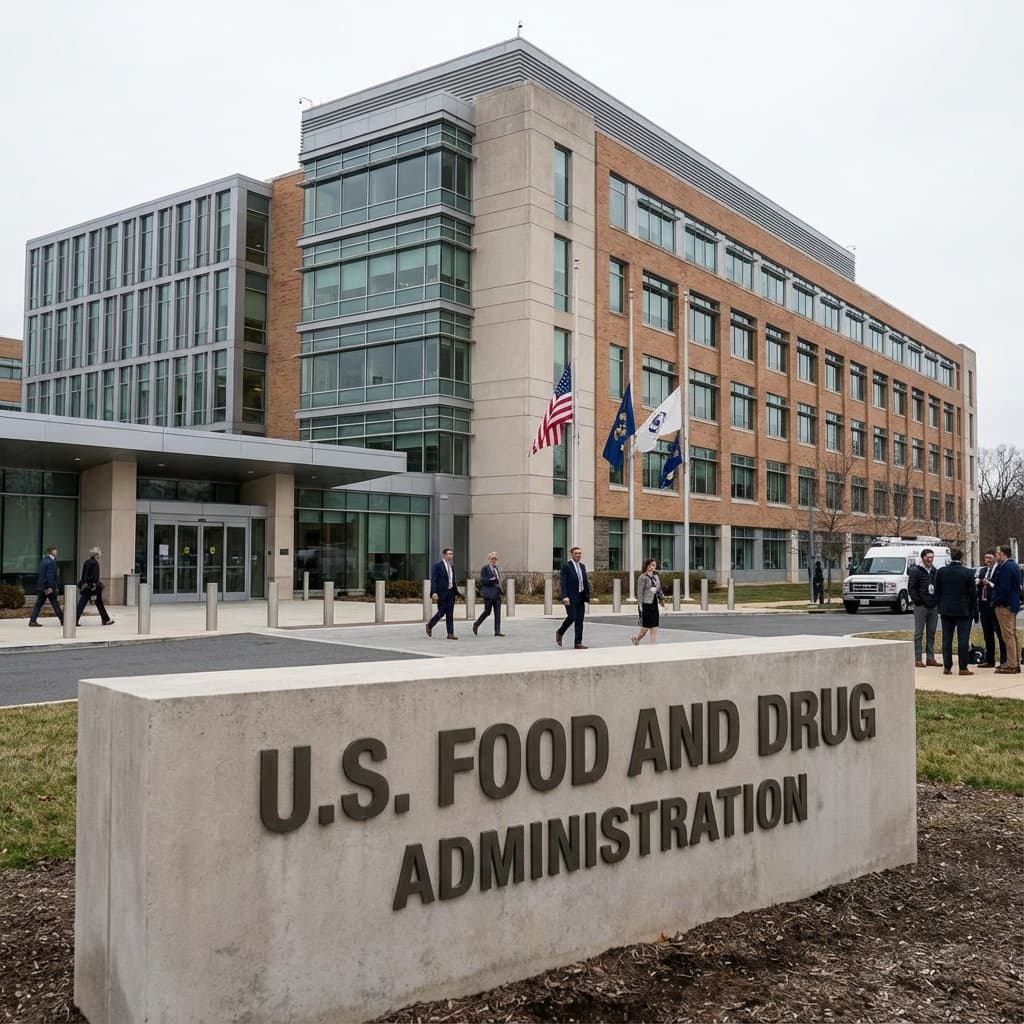 Jan 14, 2026
In a significant regulatory update, the U.S. Food and Drug Administration (FDA) has asked Novo Nordisk and Eli Lilly, leading makers of GLP-1 receptor agonists used for weight management, to remove suicide warnings from their product labels. This decision follows exhaustive analysis of clinical data demonstrating no causal link between these drugs and suicidal thoughts or actions.
TCB Team 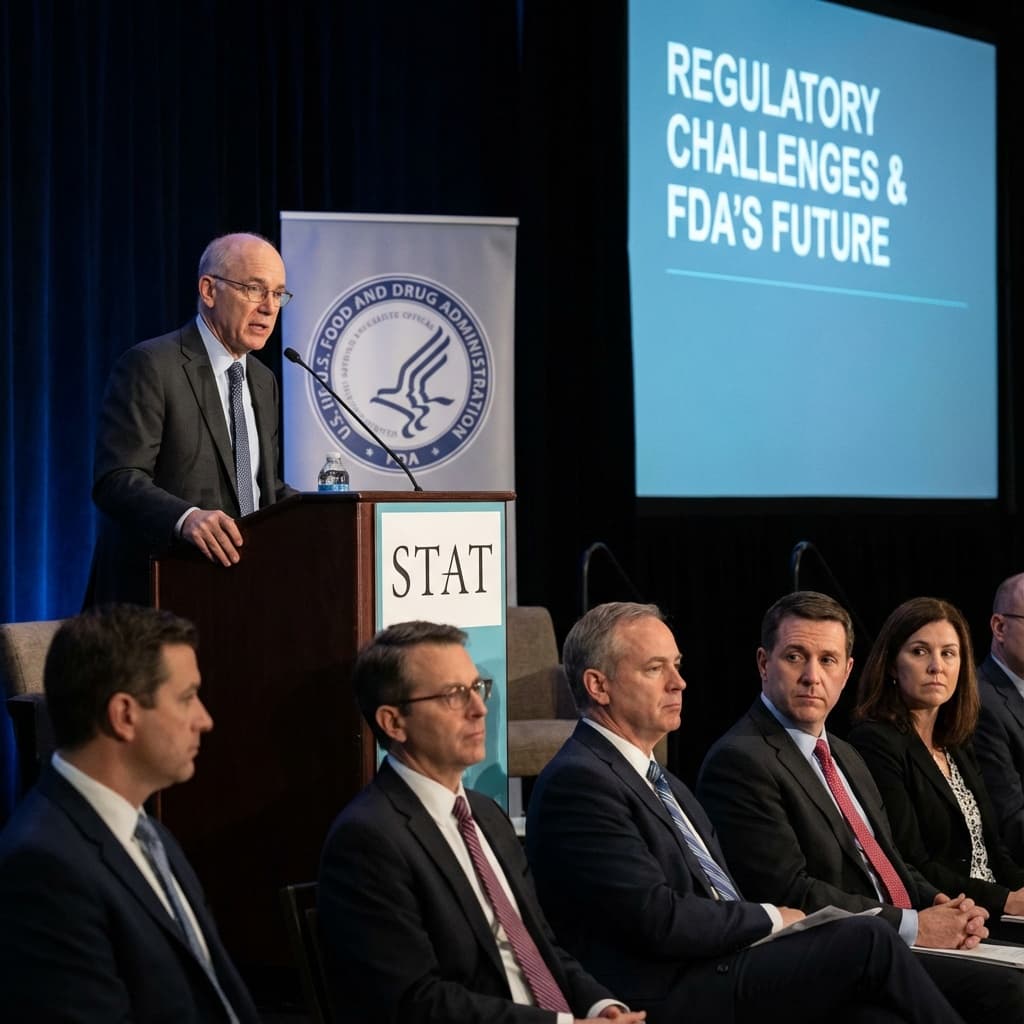 Jan 13, 2026
At a recent STAT event, Richard Pazdur, who departed the FDA after 26 years of service, delivered a stark warning regarding the current state of the FDA. He discussed how political influences and internal disarray are damaging the agency’s core functions and ability to safeguard public health. Pazdur's observations come at a critical time as regulatory policies and agency leadership face unprecedented scrutiny.
TCB Team 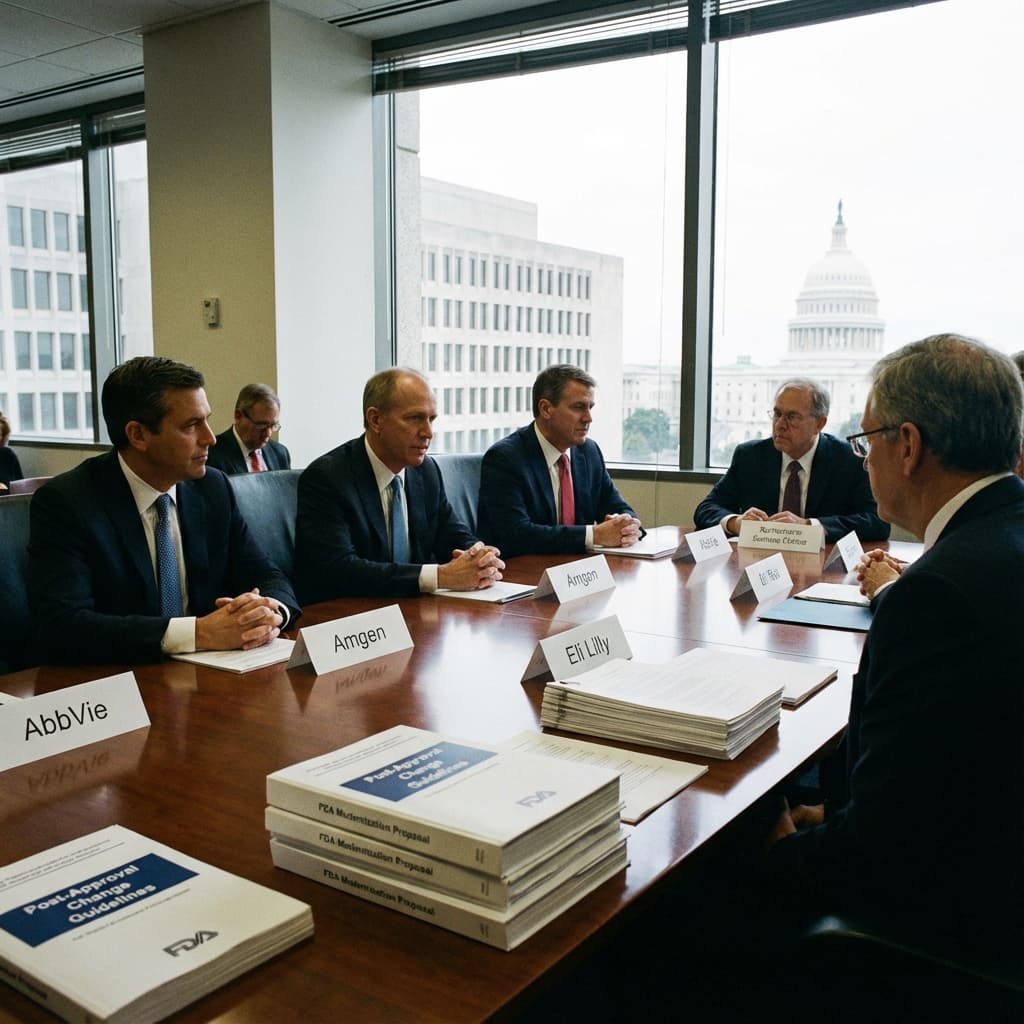 Jan 13, 2026
The push by major drugmakers to update FDA post-approval change rules highlights ongoing regulatory challenges that affect the pharmaceutical supply chain and manufacturing sovereignty. The companies' advocacy underscores the importance of regulatory adaptability to keep pace with industry needs and global supply dynamics, particularly as reshoring production gains prominence in policy discussions.
TCB Team 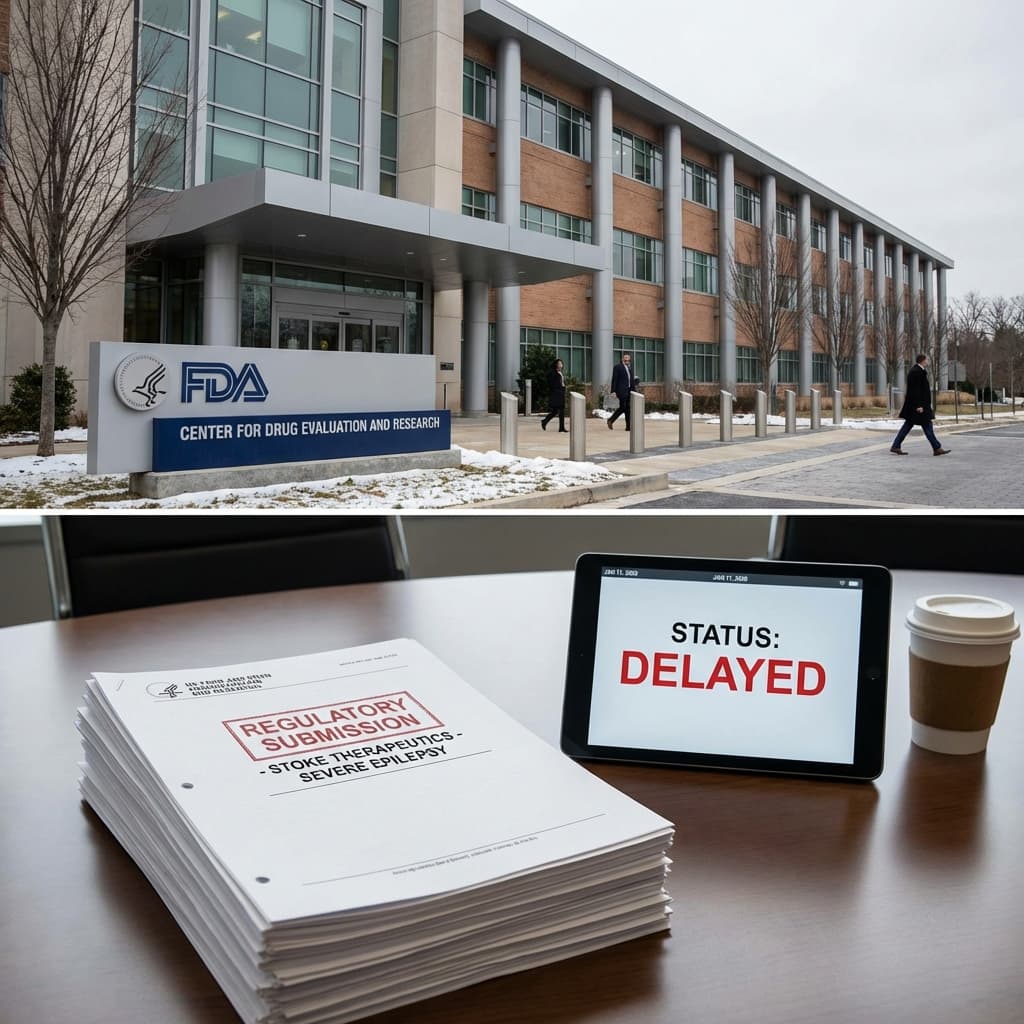 Jan 11, 2026
The dialogue between Stoke Therapeutics and the FDA surrounding the expedited review of a promising severe epilepsy drug underscores the complexities facing regulatory approvals in neurology. This development highlights ongoing tensions in balancing regulatory rigor with the urgent needs of patients with rare and debilitating conditions.
TCB Team 