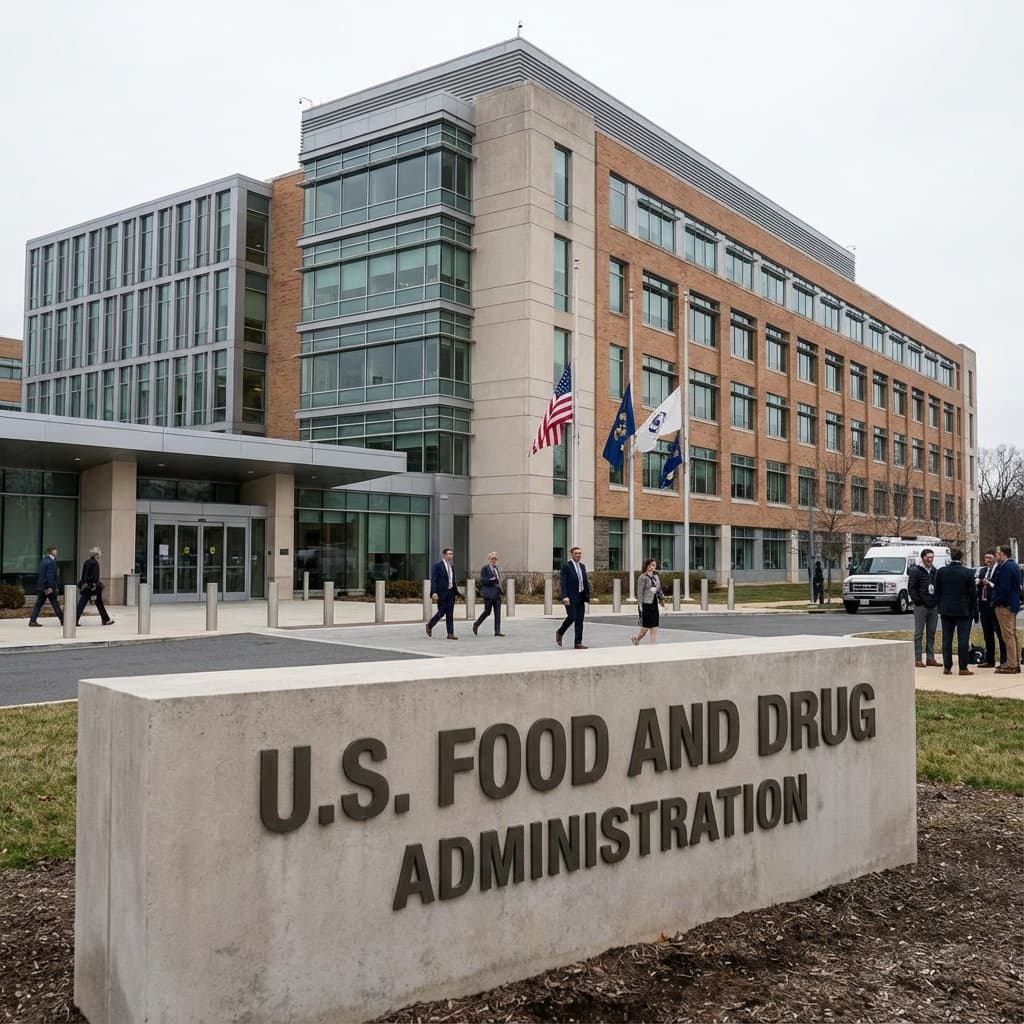
FDA Revises Safety Labeling for GLP-1 Weight Loss Drugs: Suicide Warnings Removed

In a significant regulatory update, the U.S. Food and Drug Administration (FDA) has asked Novo Nordisk and Eli Lilly, leading makers of GLP-1 receptor agonists used for weight management, to remove suicide warnings from their product labels. This decision follows exhaustive analysis of clinical data demonstrating no causal link between these drugs and suicidal thoughts or actions.
Glucagon-like peptide-1 receptor agonists (GLP-1 RAs) have become widely used pharmaceutical agents for managing obesity and related metabolic disorders. Their mechanism involves enhancing insulin secretion, reducing appetite, and improving glycemic control. Drugs such as those developed by Novo Nordisk and Eli Lilly have gained substantial market penetration, reshaping the therapeutic landscape for weight loss.
Recently, the U.S. Food and Drug Administration (FDA) undertook a comprehensive review of adverse event data associated with these medications, with particular attention to neuropsychiatric outcomes including suicidal ideation and behavior. The impetus for this review stemmed from initial product warning labels that cautiously flagged a potential risk for suicide, a concern that had prompted ongoing vigilance among clinicians, patients, and regulators alike.
Following in-depth examination of post-marketing surveillance data, clinical trial results, and real-world evidence, the FDA concluded that there is no substantial evidence to support an increased risk of suicide related to GLP-1 RA therapy. This informed a regulatory request for Novo Nordisk and Eli Lilly to revise their drug safety information accordingly, specifically to remove the suicide warning from the labels of these weight loss products.
This update has important implications across multiple dimensions. Firstly, it may improve patient confidence and adherence by alleviating concerns associated with serious psychiatric side effects. Healthcare providers may feel more reassured prescribing these therapies, potentially broadening access and acceptance.
From a regulatory perspective, the FDA's action reflects a data-driven, responsive approach to drug safety information, emphasizing the evolving nature of pharmacovigilance where adverse events are continuously reassessed as new evidence emerges.
In addition to clarifying the safety profile, this regulatory change may influence the competitive dynamics within the weight management pharmaceutical market. It may reduce barriers or liabilities that could restrict promotional and clinical use, thereby impacting market growth for GLP-1 based therapies.
It is crucial to contextualize this decision within the broader landscape of obesity treatment challenges. Despite advances, obesity remains a significant public health concern with complex etiologies involving genetic, environmental, and behavioral factors. Safe and effective pharmacologic options are critically needed.
Future research and surveillance will likely continue to monitor neuropsychiatric safety outcomes to ensure ongoing patient safety. Stakeholders including patients, clinicians, payers, and policymakers will watch for how this regulatory evolution translates into clinical practice trends and health outcomes.
For detailed information on this regulatory development and its impact on GLP-1 drugs, readers are encouraged to review the full report at BioSpace in the article titled FDA Asks Novo, Lilly to Remove Suicide Warnings From GLP-1 Weight Loss Products.
Join the BioIntel newsletter
Get curated biotech intelligence across AI, industry, innovation, investment, medtech, and policy delivered to your inbox.