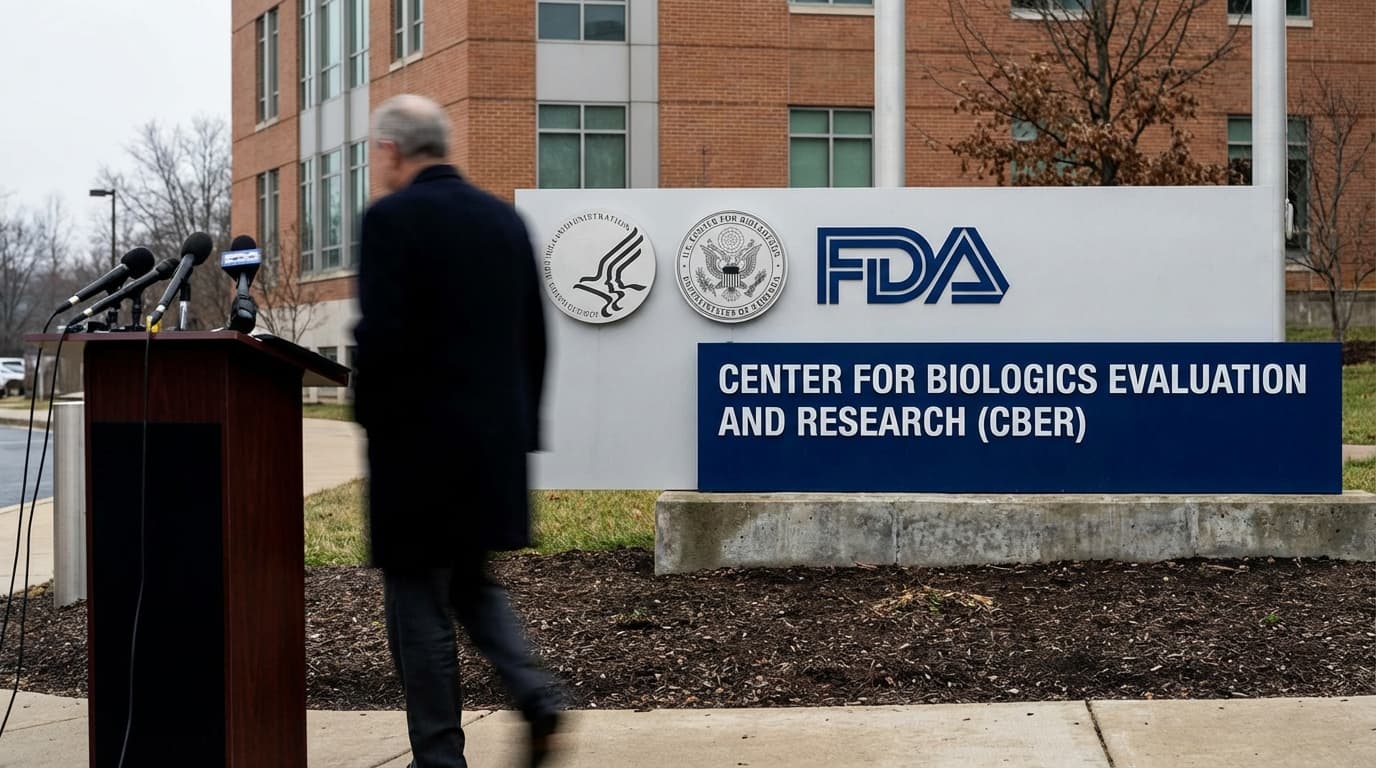
FDA’s Vinay Prasad to Leave After Controversial Tenure as CBER Chief

Prasad’s leadership at CBER was characterized by firm stances on drug approvals, especially for rare diseases, which sparked significant debate within the agency and the biopharma sector. His exit marks a pivotal moment for the FDA’s biologics regulatory landscape.
Vinay Prasad, an oncologist by training and a prominent figure within the Food and Drug Administration (FDA), has announced he will be leaving the agency for the second time. His tenure as the Director of the Center for Biologics Evaluation and Research (CBER) has been described as controversial due to his involvement in several high-profile and often divisive decisions, particularly around therapies targeting rare diseases.
During his time heading CBER, Prasad presided over the rejection of multiple therapies aimed at treating rare diseases, a move that stirred considerable debate both within the FDA ranks and the biopharmaceutical industry at large. These decisions have raised questions about the balance between rigorous regulatory standards and the urgent need for innovative treatments in rare and underserved patient populations.
CBER under Prasad's leadership was noted for its cautious approach towards approving new biologics, emphasizing evidence-based scrutiny and demanding robust clinical data before endorsing therapies. This stance was seen as a safeguard against premature approvals that might pose safety risks, but simultaneously was criticized by advocates and companies eager to expedite access to novel treatments.
The controversies surrounding Prasad's direction of CBER reflect broader tensions within regulatory frameworks balancing innovation, patient access, and safety. His exit from the FDA is poised to influence the agency’s future approach, possibly recalibrating its policies on rare disease therapies and biologics approvals.
Prasad's career at the FDA, marked by his firm views and willingness to challenge established norms, highlights the complex dynamics of regulatory governance in rapidly advancing medical fields. His departure invites reflection on leadership styles that can effectively navigate scientific uncertainty, stakeholder expectations, and public health imperatives.
Looking ahead, the search for a successor to lead CBER will be closely watched by industry observers, patient advocacy groups, and policymakers. This transition phase is critical as the FDA continues to face mounting pressures to innovate regulatory science while ensuring the highest standards for therapeutic safety and efficacy.
In summary, Vinay Prasad’s departure underscores the complex and often contentious nature of biologics regulation at the FDA, highlighting the ongoing challenge of fostering innovation without compromising patient safety. His legacy will likely inform debates on regulatory policy for years to come.
For more detailed insights and the original source of this story, please refer to: https://www.biospace.com/fda/fdas-prasad-to-depart-fda-following-tumultuous-term-as-cber-chief
Join the BioIntel newsletter
Get curated biotech intelligence across AI, industry, innovation, investment, medtech, and policy delivered to your inbox.