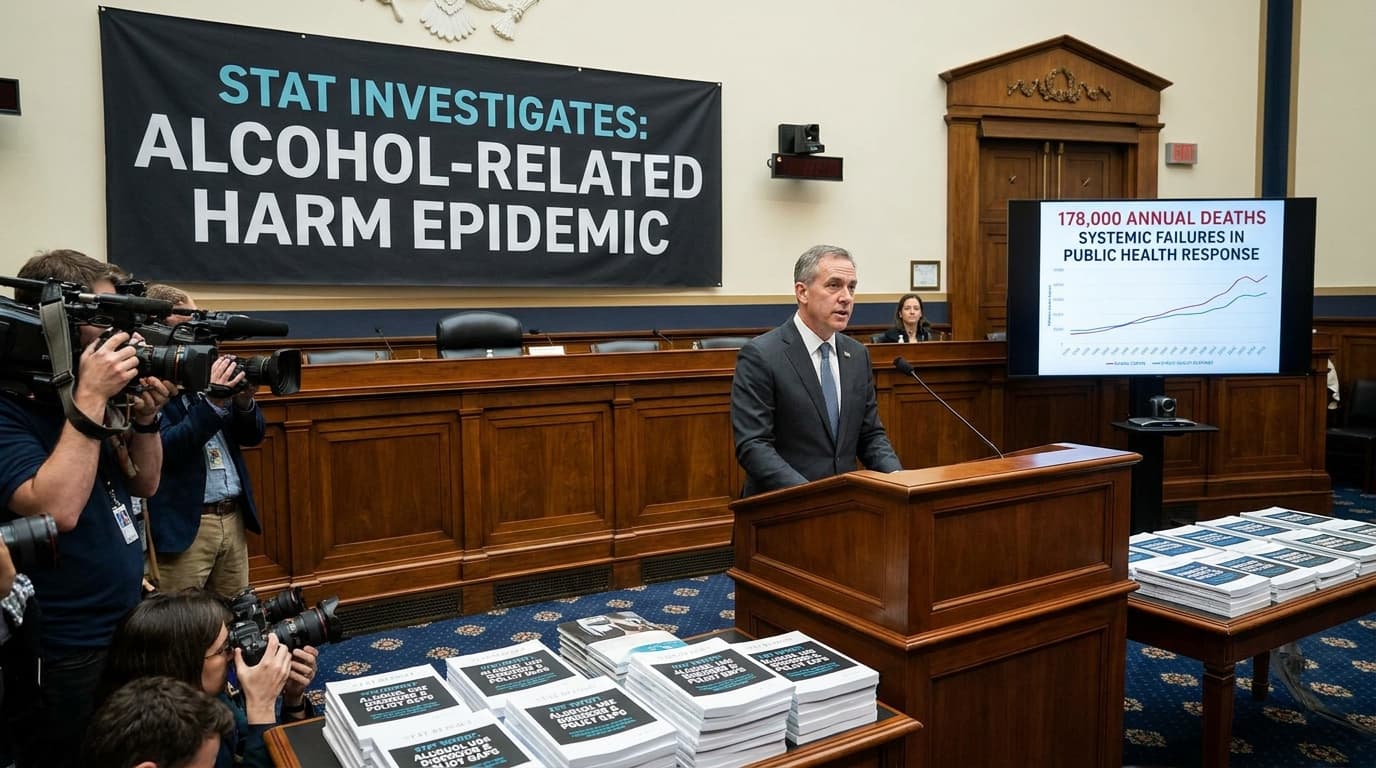
STAT Investigates the Epidemic Killing 178,000 Americans Annually: A Deep Dive into Alcohol-Related Harm

Excessive alcohol consumption continues to be a leading cause of preventable death in the United States. STAT's investigative work provides a comprehensive review of governmental and societal failures to tackle this pervasive epidemic, shedding light on the urgent need for actionable reform.
Alcohol-related harm remains one of the most daunting public health challenges in the United States, responsible for an estimated 178,000 deaths annually, as highlighted in a recent investigative series by STAT. This staggering mortality toll underscores the catastrophic impact excessive alcohol use has on individuals, families, and communities nationwide. Despite widespread awareness, the country continues to face an enduring crisis marked by insufficient intervention strategies, inadequate regulatory policies, and fragmented healthcare responses.
The investigation, led by Executive Editor Rick Berke, explores the multifaceted nature of this epidemic, revealing systemic inadequacies in prevention, treatment, and policy enforcement. Excessive alcohol consumption contributes not only to direct health consequences such as liver disease, cancers, and cardiovascular complications but also fuels societal challenges including accidents, violence, and economic burdens. The underaddressed magnitude of alcohol-related harm calls for a fundamentally reimagined approach spanning healthcare, governance, and community engagement.
One central issue identified is the persistent failure of public health systems to prioritize alcohol use disorder (AUD) as a significant chronic condition warranting comprehensive resources. While medical sciences have advanced in understanding the physiological and psychological underpinnings of AUD, implementation of evidence-based treatments remains limited. Gaps in screening, stigma associated with addiction, and fragmented insurance coverage hinder broad accessibility to effective interventions.
Furthermore, policies regulating alcohol availability, marketing, and taxation have lagged behind scientific recommendations to curb excessive consumption. The investigation reveals inconsistent enforcement of restrictions and insufficient public health messaging, resulting in continued permissiveness and normalization of harmful drinking behaviors. Particularly vulnerable populations, including young adults and socioeconomically disadvantaged groups, bear the brunt of these policy gaps.
The investigative series also accentuates the complex interplay between alcohol and co-occurring mental health disorders, necessitating integrated care frameworks. Current healthcare delivery models often silo addiction treatment, impeding holistic patient management and long-term recovery prospects. A systemic shift toward coordinated care, incorporating behavioral health specialists and primary care providers, is essential to ameliorate outcomes.
In addition to clinical and policy shortcomings, the report scrutinizes how social determinants—such as housing instability, unemployment, and social isolation—exacerbate risk factors for excessive alcohol use and relapse. Addressing these broader societal drivers through cross-sector collaborations is paramount for sustainable impact.
Importantly, the narrative articulates innovative community-based and digital interventions emerging across the country. These range from telehealth-enabled therapies to peer support networks and culturally tailored programs, demonstrating promising reductions in relapse and mortality rates. However, scaling such initiatives requires increased funding commitment and policy support.
The STAT investigation, by laying bare the incontrovertible human and fiscal toll of alcohol-related harm, makes a compelling case for urgent, multifaceted reform. It calls upon federal and state agencies, healthcare systems, and civil society to prioritize alcohol epidemic responses with the same vigor historically reserved for other public health crises.
In conclusion, without transformative actions addressing prevention, treatment, regulation, and social determinants, the epidemic of excessive alcohol use will continue to claim hundreds of thousands of American lives annually. This examination by STAT provides crucial insights and a roadmap toward diminishing this devastating public health burden.
For further detail and to follow the ongoing investigative series, readers can access the full report at STAT News.
Join the BioIntel newsletter
Get curated biotech intelligence across AI, industry, innovation, investment, medtech, and policy delivered to your inbox.