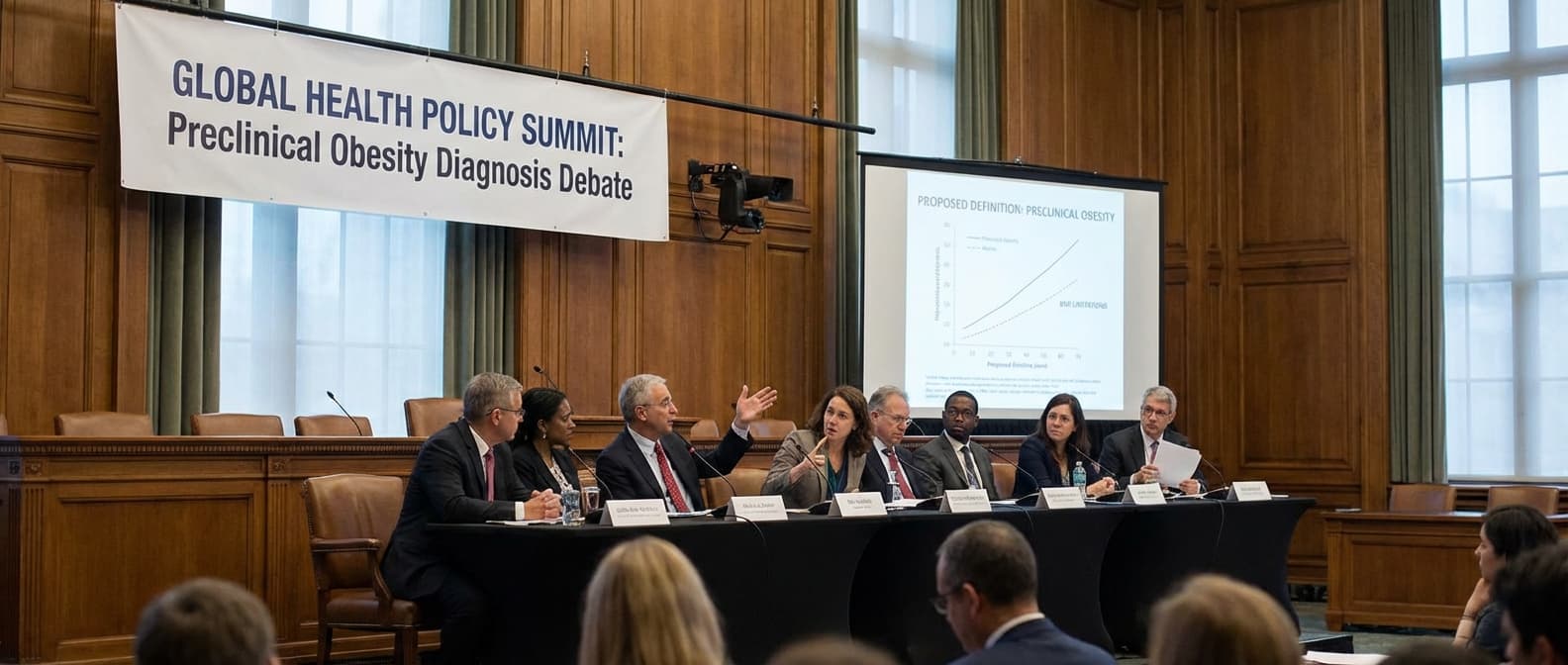
Global Debate Ignited by Proposed ‘Preclinical Obesity’ Diagnosis

Obesity diagnosis is at a crossroads with a proposed new definition aiming to refine the clinical identification of the condition before it fully manifests. This initiative has sparked a global debate involving endocrinologists, healthcare professionals, and policy makers, with proponents and critics weighing the implications for patient care and healthcare disparities.
The field of obesity research and treatment is experiencing a profound and potentially transformative moment as a newly proposed diagnostic category termed ‘preclinical obesity’ is introducing a fresh lens through which healthcare professionals might evaluate patients at risk of developing obesity-related complications. This proposal, which aims to sharpen the precision of obesity diagnosis, has triggered a wide-ranging debate among experts worldwide, focusing on its potential clinical benefits as well as the possible unintended consequences.
The concept of ‘preclinical obesity’ emerges from a recognition that traditional diagnostic frameworks, often relying heavily on body mass index (BMI), may not sufficiently capture individuals who are in the early stages of obesity development but have not yet met classical criteria for diagnosis. Advocates suggest that by identifying these individuals early, it may be possible to initiate preventive interventions that halt progression to full-blown obesity, thereby mitigating long-term health consequences such as diabetes, cardiovascular disease, and other metabolic disorders. The proposal underscores a shift towards a more proactive stance in managing population health concerning obesity, which remains a leading global health challenge.
However, the proposal has met with caution and critique. Skeptics warn that introducing a ‘preclinical’ category might inadvertently delay care for patients already suffering from obesity-related conditions, particularly diabetes, if the new diagnostic definition excludes them from immediate treatment protocols. There is also concern that the approach could exacerbate existing inequalities in healthcare access; disadvantaged groups, already facing barriers to obesity prevention and treatment, might be further marginalized by new, complex diagnostic criteria. The debate highlights an essential tension within public health policy between broadening diagnostic sensitivity to catch disease earlier and ensuring equitable, timely treatment for those already affected.
The discussion extends beyond medicine and into health policy and public health strategy, as stakeholders grapple with how best to implement such a diagnostic shift without disadvantaging vulnerable populations. There are calls for robust observational studies and inclusive stakeholder consultations to evaluate the real-world impact of such definitions on health outcomes and healthcare delivery.
In parallel, this debate reflects a broader global challenge in balancing innovation in medical definitions with social justice considerations. The complexity of obesity as a disease encompasses biological, behavioral, and socio-economic factors, making straightforward policy adaptations difficult. Any regulatory changes need careful assessment of potential benefits against risks to ensure they contribute to improved overall health without deepening disparities.
The global endocrine and medical community remains divided yet actively engaged in refining terminologies and guidelines that reflect current scientific understanding while accommodating practical healthcare delivery constraints. This ongoing dialogue illustrates the dynamic intersection of science, medicine, and ethics in modern healthcare.
For a deeper exploration of this evolving debate and its implications, see the full analysis at STAT News.
Source: STAT News
Join the BioIntel newsletter
Get curated biotech intelligence across AI, industry, innovation, investment, medtech, and policy delivered to your inbox.