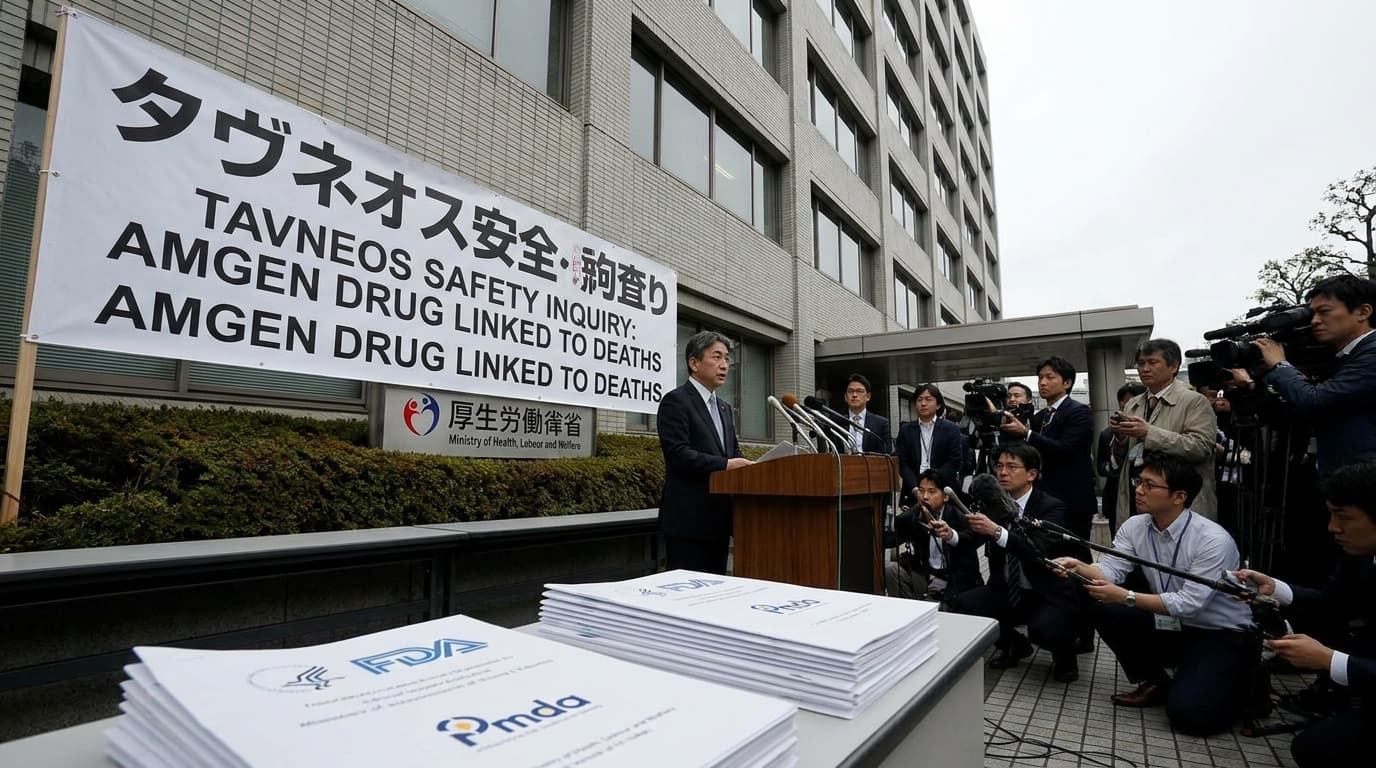
Amgen’s Tavneos Drug Linked to Multiple Deaths in Japan Raises Questions About Pharmaceutical Safety and Regulatory Oversight

The emerging reports surrounding Amgen’s Tavneos drug spotlight the multifaceted challenges in pharmaceutical approvals, the critical importance of data transparency, and the potential repercussions for public health and corporate accountability.
Introduction
Amgen’s rare disease medication Tavneos has recently come under intense scrutiny following the tragic linkage to 20 deaths in Japan. This revelation comes on the heels of the U.S. Food and Drug Administration (FDA) previously associating the drug with eight fatalities stateside. Disturbingly, the FDA has also alleged that manipulated data were used during the approval application process that successfully led to Tavneos’ market authorization in 2021. This piece explores the broader implications of these findings, including drug safety concerns, regulatory challenges, and the responsibilities pharmaceutical companies bear to safeguard patient well-being.
Drug Approval and Its Complexities
The pharmaceutical approval process is rigidly structured to ensure that any drug entering the market is both safe and effective. Regulatory bodies like the FDA require extensive clinical trials, data validation, and post-market surveillance. Despite these meticulous checks, the case of Tavneos illustrates the vulnerabilities inherent in the system, particularly when data integrity is compromised.
The Importance of Data Integrity
Clinical data underpin regulatory decisions, healthcare provider guidance, and patient safety measures. When data submitted are 'doctored' or misrepresented, it erodes trust and jeopardizes lives. The Tavneos case underscores how data misrepresentation can lead to premature approvals, potentially exposing patients to unforeseen adverse effects.
Reported Adverse Events and Their Impact
Beyond the regulatory lens, the impact of drug-linked fatalities cannot be overstated. For patients reliant on rare disease treatments, the emergence of such safety signals is alarming and may necessitate re-evaluation of risk-benefit analyses. Moreover, these events can trigger widespread public and professional skepticism towards novel therapies, complicating the adoption of legitimately beneficial drugs.
Corporate Responsibility and Ethical Considerations
Pharmaceutical manufacturers bear a profound responsibility to ensure accurate data reporting and rigorous safety monitoring. Ethical lapses, whether intentional or negligent, damage company reputations and invite regulatory penalties. For Amgen, addressing these allegations transparently and implementing robust corrective actions will be critical for restoring confidence among stakeholders.
Regulatory Responses and Industry Implications
Regulators worldwide are increasingly vigilant regarding post-approval safety and data authenticity. The Tavneos controversy may inspire stricter oversight protocols, enhanced data verification processes, and more transparent reporting requirements. While these measures aim to protect patients, they also present operational challenges for the biopharmaceutical industry.
Conclusion
The Tavneos situation embodies significant challenges at the intersection of drug safety, regulatory oversight, and corporate accountability. It highlights the necessity of uncompromising data integrity and vigilant monitoring to protect public health while fostering innovation. Going forward, collaboration among regulators, industry, and healthcare providers will be essential to enhance the pharmaceutical landscape's safety and trustworthiness.
Source: Amgen’s rare disease drug Tavneos tied to 20 deaths in Japan
Join the BioIntel newsletter
Get curated biotech intelligence across AI, industry, innovation, investment, medtech, and policy delivered to your inbox.