Veteran Regulator Richard Pazdur Warns of Political Chaos Harming FDA Effectiveness

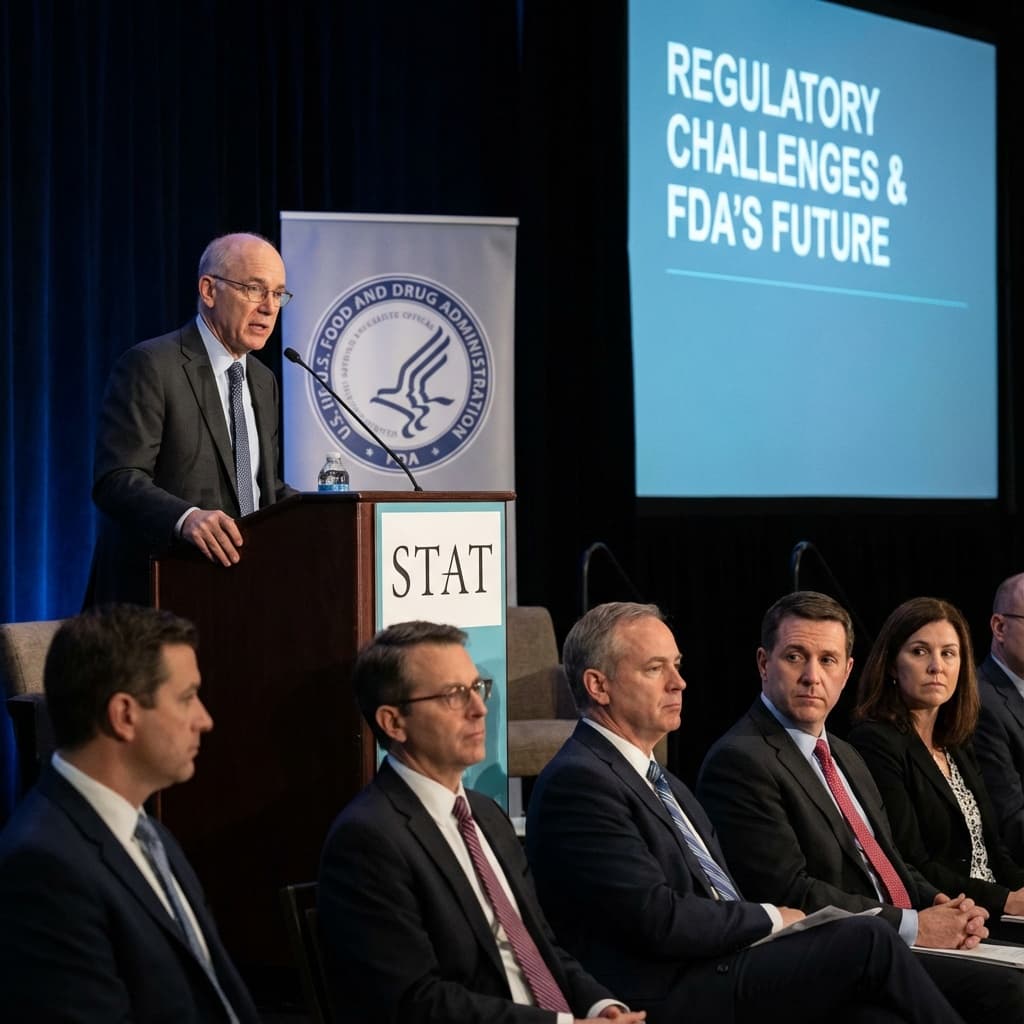
At a recent STAT event, Richard Pazdur, who departed the FDA after 26 years of service, delivered a stark warning regarding the current state of the FDA. He discussed how political influences and internal disarray are damaging the agency’s core functions and ability to safeguard public health. Pazdur's observations come at a critical time as regulatory policies and agency leadership face unprecedented scrutiny.
Veteran drug regulator Richard Pazdur, who recently left the FDA after a remarkable 26-year tenure, brought attention to the pressing challenges that the agency currently faces, driven largely by external political pressures and internal organizational turmoil. During a STAT-hosted event, Pazdur cautioned that the FDA, which plays a pivotal role in overseeing the approval and regulation of pharmaceuticals and medical devices, is increasingly hindered by what he described as "politics" and "chaos" taking root within the agency.
Pazdur's extensive experience at the agency, including his leadership roles in oncology drug development, has provided him with broad insight into the complexities of regulatory science and the critical importance of maintaining the FDA’s integrity and scientific rigor. His warning serves as a call to action to policymakers, industry stakeholders, and the public about the potential risks to innovation, patient safety, and public trust should the agency be allowed to deteriorate further.
The context of Pazdur's remarks underscores a larger debate ongoing within the healthcare and biopharmaceutical sectors regarding the balance between expedited approvals and safeguarding rigorous standards. Political interference can jeopardize this balance by injecting uncertainty and undermining the scientific processes critical to regulatory decisions.
Moreover, the "chaos" referenced by Pazdur may relate to leadership challenges, changing priorities, and resource constraints that limit the FDA's operational effectiveness. This situation poses challenges not only for the FDA itself but also for pharmaceutical companies, healthcare providers, and patients who rely on the agency's guidance and approvals.
The pharmaceutical and biotech industries, which depend on clear regulatory pathways and predictability, may face increased risks and delays in drug development. Ultimately, the patients stand to be most affected if safe and effective therapies are delayed or hindered due to an agency struggling with internal and external upheavals.
Pazdur’s candid reflections invite a broader discussion on how to strengthen the FDA by protecting it from political vagaries, enhancing operational stability, and reaffirming its commitment to science-based decision-making. Such measures are crucial to preserve the agency's role as a trusted arbiter in the rapidly evolving landscape of medical innovation and public health protection.
As regulatory agencies worldwide grapple with similar challenges amid technological advancements and rising public expectations, the FDA’s experience offers lessons on the importance of maintaining independence and resilience in regulatory governance. Pazdur’s departure from the FDA opens a window for stakeholders to reassess and recalibrate the agency’s mission to meet the demands of the future without compromising its foundational principles.
This discourse will likely continue to evolve as new leadership and policy changes emerge, but the concerns raised by one of the FDA’s most respected leaders highlight the urgency of addressing these fissures now.
Read original article at STAT: Richard Pazdur warns that politics, ‘chaos’ are damaging FDA
Join the BioIntel newsletter
Get curated biotech intelligence across AI, industry, innovation, investment, medtech, and policy delivered to your inbox.