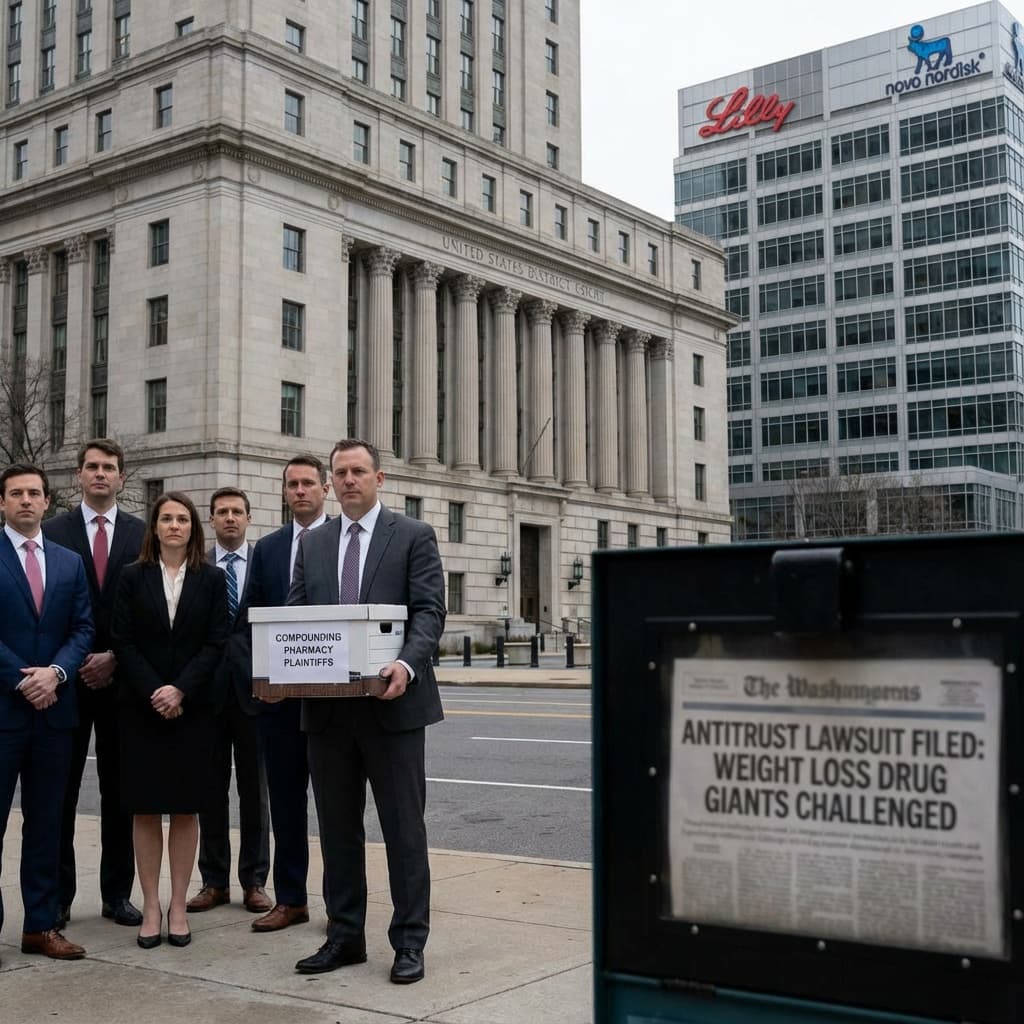
Pharmacy Compounder Files Antitrust Lawsuit Against Eli Lilly and Novo Nordisk in Weight Loss Drug Market

The burgeoning weight loss drug market has recently faced legal scrutiny as a compounding pharmacy alleges anticompetitive tactics by leading biopharmaceutical companies Eli Lilly and Novo Nordisk. This lawsuit brings further attention to the competitive dynamics and regulatory challenges in the obesity treatment sector.
In a significant move reflecting ongoing tensions in the weight loss pharmaceutical industry, a compounding pharmacy has initiated an antitrust lawsuit against Eli Lilly and Novo Nordisk, two dominant players in the obesity drug market. This case highlights the complex and competitive nature of the weight management drug sector, an area of medicine that has seen substantial growth and transformation in recent years due to the increasing prevalence of obesity worldwide.
The lawsuit alleges that Eli Lilly and Novo Nordisk have employed anticompetitive tactics intended to limit competition and maintain their market dominance. While details of these tactics have not been fully disclosed in the public domain, such claims typically involve concerns over pricing strategies, market access, exclusivity agreements, or conduct that may stifle innovation and availability of alternative therapeutic options.
Obesity is a chronic medical condition affecting a significant portion of the global population, and effective pharmaceutical interventions are critically needed to improve patient outcomes. Eli Lilly and Novo Nordisk have been at the forefront of this therapeutic area, particularly with their development and marketing of GLP-1 receptor agonists and other weight loss drugs that have reshaped treatment paradigms.
This legal challenge underscores the regulatory and legal scrutiny that pharmaceutical companies face as they seek to grow their market share in profitable therapeutic segments. It also opens a broader discussion about the balance between fostering innovation through robust competition and the risks of monopolistic behavior that may limit patient access and keep drug prices high.
Healthcare stakeholders, including regulators, payers, and patient advocacy groups, are closely watching this case as it may set precedents affecting how competition is regulated in the biopharmaceutical industry, especially in areas with rapid drug development and expanding patient demand.
The ongoing lawsuit serves as a reminder of the dynamic forces shaping pharmaceutical markets today, where advancements in treatment options meet complex legal and policy challenges. The outcome of this case could influence future industry practices and regulatory approaches to ensure a competitive landscape that ultimately benefits public health.
For further details, see the original report: STAT+: Pharmacy compounder files antitrust lawsuit against Eli Lilly and Novo Nordisk.
Join the BioIntel newsletter
Get curated biotech intelligence across AI, industry, innovation, investment, medtech, and policy delivered to your inbox.