6 Things to Know About Stryker’s Cyberattack

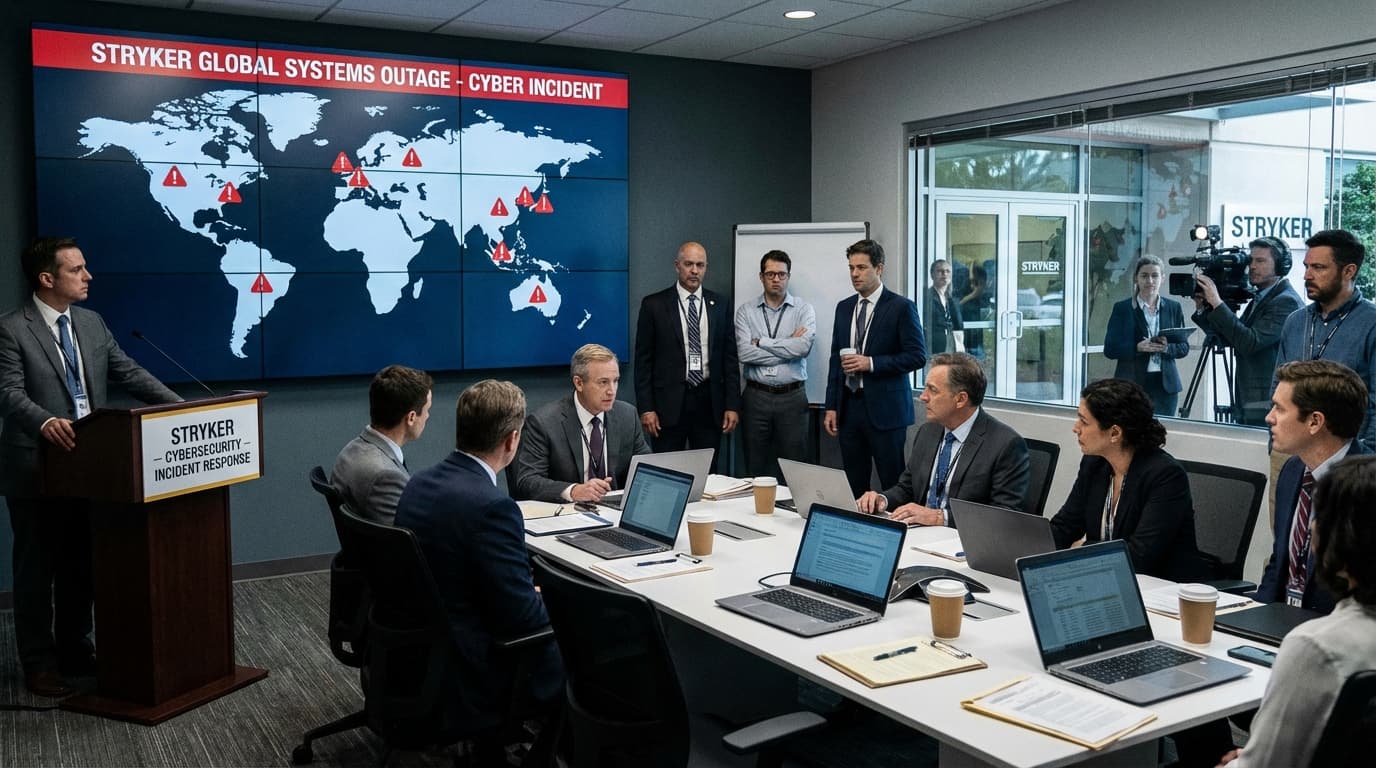
This recent cyberattack on Stryker, a major global medical device manufacturer, exposed vulnerabilities in healthcare cybersecurity. The attack caused widespread operational delays, affecting supply chains and posing risks to patient care delivery. Here are six essential points to understand the incident, its implications, and the broader lessons for healthcare organizations.
Introduction
In early March 2026, Stryker, a prominent global medical devices company, faced a substantial cyberattack that crippled its internal information systems worldwide. The attack, reportedly claimed by an Iran-linked hacking group, had widespread operational consequences. It disrupted order processing, introduced delays in manufacturing, and exposed critical cybersecurity vulnerabilities within the healthcare supply chain and medical technology sectors.
This article outlines six key aspects of this attack to provide a comprehensive understanding of the event, its impacts on Stryker’s operations, and the broader implications for medical device companies and healthcare cybersecurity practices.
1. Scope and Scale of the Cyberattack
The cyberattack targeted Stryker’s internal systems globally, causing significant disruptions. It affected essential functionalities including order processing, internal communications, and manufacturing workflows across multiple sites worldwide. The blackout of these systems meant that Stryker was temporarily unable to coordinate production effectively or fulfill orders on expected timelines.
The global scope of the attack underscores how interconnected healthcare manufacturers have become, and how a breach in system security can cascade across facilities and geographies rapidly.
2. Impact on Order Processing and Manufacturing
Stryker experienced notable delays in order fulfillment due to system outages and compromised operational data flows. These delays have implications extending beyond the company, potentially affecting hospitals and clinics relying on timely delivery of critical medical devices.
Manufacturing processes were also disrupted, given that key production planning and execution systems were offline. This interruption challenges just-in-time manufacturing models that many medical device companies employ to manage inventory costs and respond quickly to market demand.
3. Attribution to an Iran-Linked Hacking Group
An Iran-affiliated hacking group took responsibility for the attack, highlighting geopolitical dimensions of cybersecurity threats faced by healthcare companies. This attribution illustrates how medical technology enterprises, despite their humanitarian focus, can become targets within broader geopolitical conflicts and cyber warfare strategies.
The motives behind such cyberattacks can range from disruption and ransom demands to espionage or retaliatory actions linked to national security agendas.
4. Cybersecurity Challenges in Healthcare Manufacturing
This incident spotlights ongoing challenges in securing complex healthcare supply chains. Medical device manufacturers face numerous vulnerabilities due to the integration of legacy systems with modern IT infrastructure, the adoption of IoT devices for production monitoring, and reliance on cloud services.
Ensuring cybersecurity in healthcare manufacturing requires continuous investment in threat detection, employee training, incident response planning, and collaboration with external cybersecurity experts.
5. Risk Mitigation and Response
Stryker’s response to the cyberattack involved activating its incident response protocols, including containment efforts and system recovery strategies. Healthcare companies must refine and test such response plans regularly to minimize downtime and operational impact.
Furthermore, transparent communication with customers and regulators about the scope and effects of cyberattacks is critical to maintain trust and comply with legal obligations.
6. Broader Industry Implications
The Stryker cyberattack serves as a case study for the entire medical technology sector. It emphasizes the need for enhanced cybersecurity frameworks, cross-industry information sharing on cyber threats, and government support to bolster resilience against sophisticated cyber adversaries.
In an era where healthcare delivery increasingly depends on interconnected technologies, safeguarding medical device supply chains against cyber threats is not only a matter of corporate security but also of public health.
Conclusion
The recent cyberattack on Stryker exposes vulnerabilities and risks that medical device manufacturers face in the digital age. While the company moves to restore full operations, the incident serves as a wakeup call for enhanced cybersecurity diligence throughout the healthcare industry.
Healthcare organizations, manufacturers, and regulators should collaborate to build more robust defenses, share threat intelligence, and ensure continuity of critical services that underpin patient care worldwide.
This significant event underscores the evolving portrait of healthcare security — one where digital resilience is essential to protecting lives and sustaining trust.
Source: MedCity News
Join the BioIntel newsletter
Get curated biotech intelligence across AI, industry, innovation, investment, medtech, and policy delivered to your inbox.