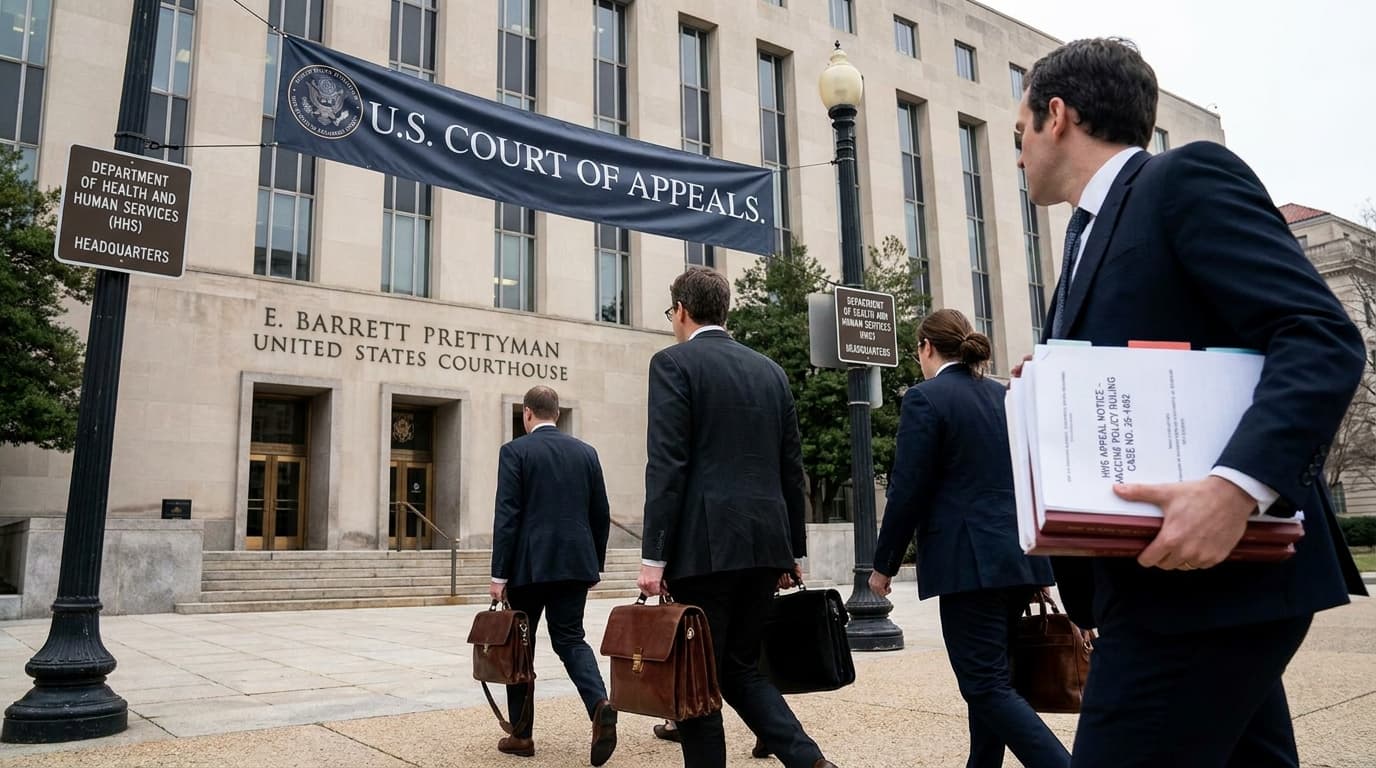
HHS Appeals Court Ruling That Stalled Kennedy’s Vaccine Policy Changes

The appeal by HHS against the court’s decision marks a significant development in the debate over vaccine policy alterations introduced under Kennedy’s leadership. The case highlights legal, regulatory, and public health implications that may shape future vaccine governance in the United States.
Overview of HHS's Appeal and Vaccine Policy Context
Recently, the Department of Health and Human Services (HHS) initiated an appeal against a court ruling that effectively paused a series of vaccine policy changes advanced by Kennedy. This move comes after the initial ruling challenged the legality and appropriateness of modifications made under the current vaccine advisory framework, which have stirred substantial debate across political, medical, and public health circles.
Legal Background and Court Ruling
The contested ruling has had a significant impact by stalling several vaccine policy alterations that were designed to shift the regulatory landscape. These changes pertain to vaccine recommendations and mandates, raising pivotal questions about administrative authority, legal oversight, and public safety considerations within the context of vaccine policy.
The ruling touched on the authority of the Advisory Committee on Immunization Practices (ACIP) and its evolving role under Kennedy’s administration. The court’s directive effectively called into question certain procedural and substantive aspects of vaccine policy implementation.
Implications for Public Health Policy
HHS's decision to appeal signals a firm commitment to defending the vaccine policy changes and underscores the high stakes involved. Vaccine policies influence immunization schedules, public acceptance, and overall community health outcomes. Disruptions or reversals in this area could have widespread repercussions for vaccine coverage and epidemic control.
The appeal process will likely extend the ongoing regulatory debate, potentially delaying policy enactment but also providing an opportunity for clearer legal precedent on the scope of administrative vaccine governance.
Stakeholder Perspectives and Ongoing Debates
The policy changes have drawn a spectrum of responses: proponents argue these modifications modernize vaccine oversight and protect public health more effectively, while critics express concerns over regulatory overreach or insufficient stakeholder engagement.
Experts in public health and law continue to monitor the appeals process closely, noting that the outcome may redefine interactions between federal agencies, advisory committees, and courts concerning public health mandates.
Broader Context: Vaccine Policy in the U.S.
Vaccine policy in the United States has historically balanced public health priorities with individual rights and legal frameworks. Kennedy’s initiative represents a consequential moment, driving shifts that may recalibrate this balance. The HHS appeal highlights the complexity and critical nature of vaccine policy as a tool for disease prevention and health promotion.
What to Expect Next
The appellate proceedings will likely focus on interpreting administrative law in the context of vaccine recommendation authority. During this period, stakeholders await judgments that may either reinforce current vaccine policymaking mechanisms or impose new constraints.
In the interim, the appeal serves as a reminder of the dynamic nature of health policy where law, science, and societal factors concurrently influence outcomes.
Source: HHS appeals ruling that stalled many of Kennedy’s vaccine policy changes
Join the BioIntel newsletter
Get curated biotech intelligence across AI, industry, innovation, investment, medtech, and policy delivered to your inbox.