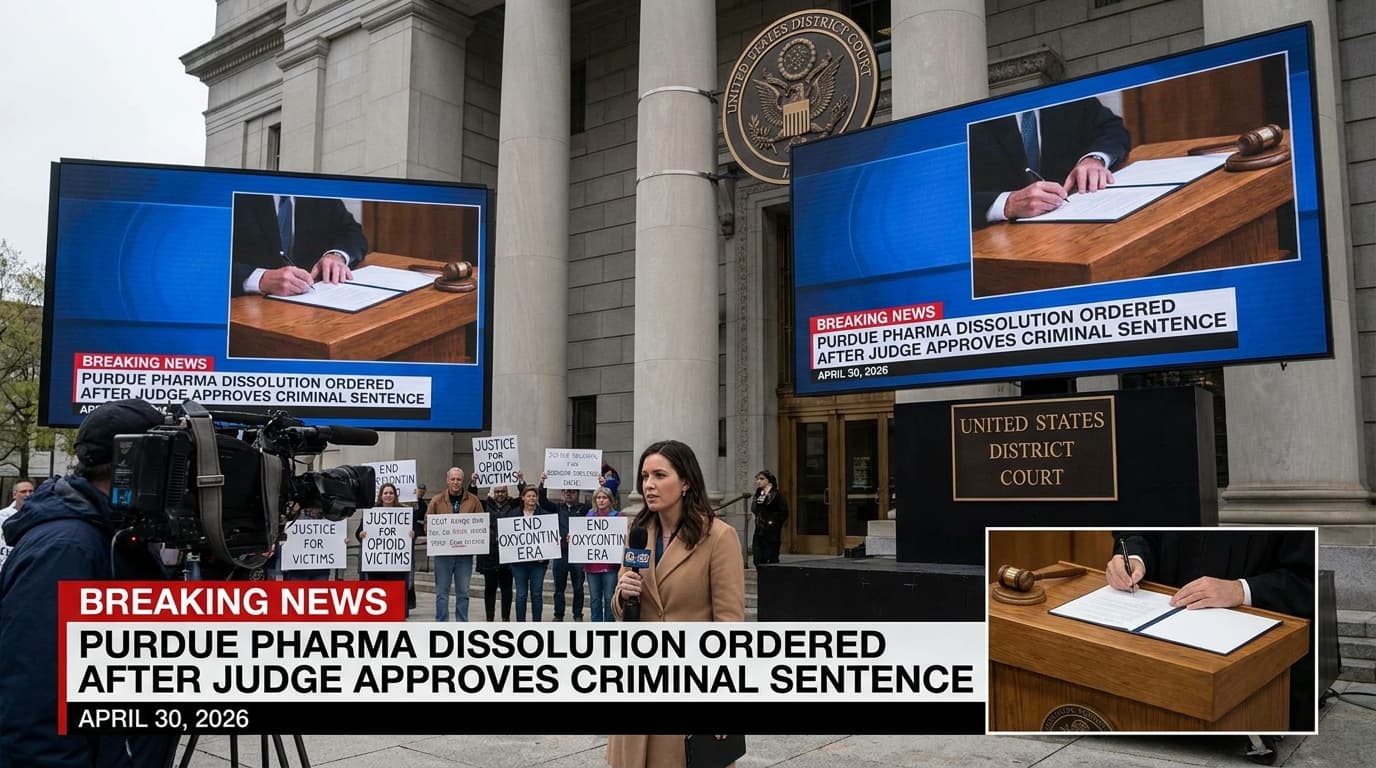
Purdue Pharma Set to Dissolve After Judge Approves Criminal Sentence

Purdue Pharma, long embroiled in legal battles linked to the opioid epidemic, faces dissolution after a federal judge sanctions the company's criminal sentence agreement. This development marks a pivotal moment in the regulatory and legal reckoning with pharmaceutical companies implicated in public health crises. The company's dismantling will have significant impacts on the biopharmaceutical industry, legal accountability, and future pharmaceutical regulation.
Overview
On April 30, 2026, it was reported that Purdue Pharma, the maker of the opioid pain medication OxyContin, will dissolve following approval of its criminal sentence by a judge. This decision culminates a years-long period of legal scrutiny and civil and criminal proceedings related to Purdue's role in the opioid epidemic in the United States.
Background on Purdue Pharma and the Opioid Crisis
Purdue Pharma played a central role in marketing and distributing OxyContin, which has been widely cited as a driver of opioid addiction and overdose deaths. Lawsuits filed by states, municipalities, and individuals accused the company of misleading marketing practices that downplayed addiction risks.
The case against Purdue Pharma involved intense litigation, highlighting the complex interplay of corporate accountability, public health policy, and regulatory oversight. The criminal sentencing and subsequent dissolution stand as a historic resolution to one of the most impactful pharmaceutical controversies in recent decades.
Judicial Approval and Terms of Sentencing
The judge's approval of the criminal sentence signals the formal acceptance of terms which likely include financial penalties, restitution, and corporate restructuring or dissolution. The criminal sentence may also contain provisions designed to prevent future misconduct and contribute to opioid addiction mitigation efforts.
Implications for the Biopharmaceutical Industry
The dismantling of Purdue Pharma serves as a cautionary precedent for pharmaceutical companies regarding ethical marketing and transparency. It underscores the increasing legal and regulatory risks associated with aggressive promotion of potentially harmful drugs.
Moreover, it may influence future legislation and regulatory frameworks designed to enhance pharmaceutical oversight and accountability practices. Industry stakeholders are expected to closely monitor subsequent enforcement actions and regulatory reforms stemming from this case.
Market and Legal Reactions
Market analysts suggest this move could spur shifts in pharmaceutical investments, particularly in companies with products that may face similar scrutiny. Legal observers note that the dissolution will potentially free resources and attention for public health initiatives aimed at addressing opioid addiction.
Broader Societal Impact
The dissolution of Purdue Pharma represents a milestone in addressing the societal harms caused by the opioid epidemic. It reflects the judicial system's willingness to impose significant sanctions on entities implicated in public health crises.
Furthermore, this case fuels ongoing discussions about balancing corporate interests with public welfare, catalyzing policy dialogues on how to better prevent drug addiction crises in the future.
What to Watch Next
Analysts will be looking at how Purdue Pharma's assets are managed post-dissolution, the disposition of settlement funds, and the impact on ongoing opioid litigation.
There will also be close attention on legislative initiatives and regulatory agency actions to prevent recurrence of similar public health emergencies linked to pharmaceuticals.
Conclusion
The judicial approval for Purdue Pharma's dissolution serves as a landmark moment in the intersection of law, health policy, and the pharmaceutical industry. It may well shape the landscape of drug regulation and corporate responsibility for years to come.
Source: STAT+: OxyContin maker Purdue Pharma will dissolve after judge approves its criminal sentence
Join the BioIntel newsletter
Get curated biotech intelligence across AI, industry, innovation, investment, medtech, and policy delivered to your inbox.