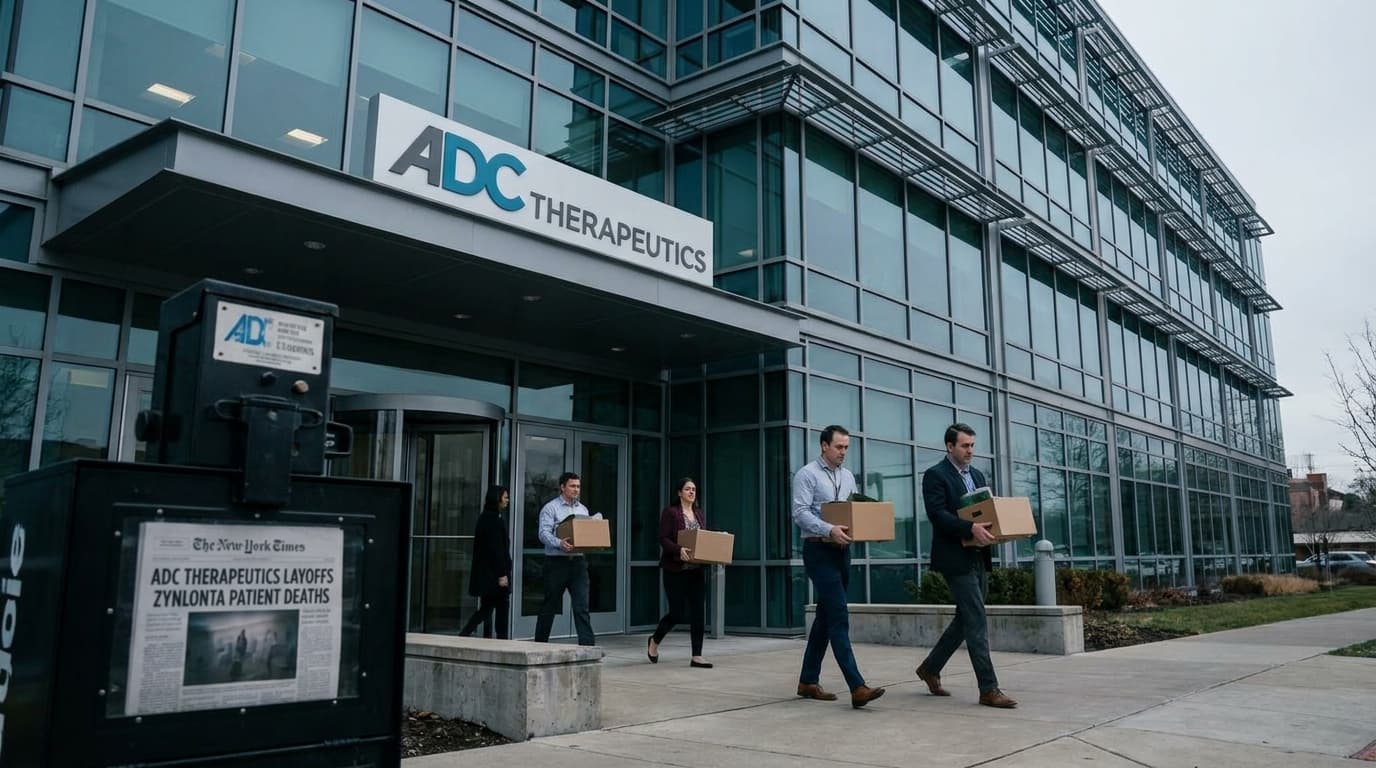
ADC Therapeutics Undertakes Major Layoffs Following Zynlonta Patient Deaths: Implications for the Biopharma Sector

The recent wave of layoffs at ADC Therapeutics comes after the company reported 27 patient deaths among recipients of its blood cancer therapy, Zynlonta. This development underscores the major risks biotech companies shoulder as they balance clinical innovation and patient safety, while facing financial and regulatory pressures.
Overview
In a sobering development for the biopharmaceutical industry, ADC Therapeutics recently announced a significant workforce reduction following troubling clinical trial results associated with its blood cancer drug, Zynlonta. According to reporting, the downsizing will affect approximately 30 staff members, representing a notable portion of the company’s global workforce. The catalyst for the layoffs is an adverse event profile linked to Zynlonta, specifically the report of 27 patient deaths in a treatment cohort.
This story not only brings into stark relief the inherent uncertainties and risks that accompany early-phase drug development and commercialization, but it also raises critical questions for stakeholders across the biopharma ecosystem—from investors and clinicians to regulators and patients—about how to navigate such crises.
The Event: Layoffs Triggered by Clinical Setbacks
Clinical Context
Zynlonta, a therapy developed for blood cancers, has been considered a promising addition to the therapeutic arsenal against these often life-threatening conditions. However, no matter how effective a drug may appear in preclinical data or early trials, the real-world impact can be both unpredictable and, in some cases, tragic. The recent revelation of 27 deaths among those receiving Zynlonta has drastically altered the company’s trajectory and its strategic priorities.
Financial and Operational Ramifications
As a direct response to these developments, ADC Therapeutics has chosen to downsize by about 17% of its global workforce. The exact roles and divisions affected were not specified in the initial report, but layoffs in the biotech sector generally impact both research and administrative functions, with ripple effects throughout the scientific and business communities.
This decision is set against a broader backdrop of financial caution that has characterized the biotechnology sector in recent years. With capital markets tightening and investors demonstrating increasing risk aversion, biopharma firms have been compelled to reassess spending, workforce size, and their investment in research pipelines when faced with clinical or regulatory setbacks.
Industry-Wide Implications
The Perennial Challenge of Translating Science Into Safe Therapies
The situation at ADC Therapeutics typifies one of the major challenges facing the sector: the difficulty of consistently translating early-stage scientific breakthroughs into both safe and effective therapies. Even with extensive preclinical and clinical vetting, adverse effects may emerge only in later-stage or real-world settings when patient populations are broader and underlying health conditions more diverse than those of carefully selected trial enrollees.
The reported deaths will likely spark a comprehensive review of the Zynlonta program, including root cause analysis, re-evaluation of trial designs, and potentially, regulatory scrutiny of other drugs in ADC Therapeutics’ pipeline or similar molecules across the industry.
Impact on Workforce and Industry Morale
Layoffs can have a lasting impact on both the affected employees and those who remain. Industry observers often note a chilling effect on morale—staff may experience reduced job security, which can hinder innovation and productivity. At a sectoral level, such events can increase caution among both startups and established firms regarding the pace and scale of R&D initiatives.
Moreover, layoffs in one company can signal sectoral headwinds—triggering layoffs or hiring slowdowns elsewhere, especially among small and mid-sized firms dependent on positive trial outcomes for their survival.
Broader Biotech Sector Context
ADC Therapeutics is far from the only biopharma company to face such difficult circumstances in 2026. Across the industry, companies have been grappling with increased expectations from regulators, volatile funding environments, and a higher bar for demonstrating not just efficacy but also patient safety and economic value. In this climate, any negative clinical news can have an immediate and broad impact—on the market value of a company, on ongoing collaborations, and on recruitment and retention of talent.
Regulatory and Reputational Pressures
Perhaps most significantly, high-profile safety events such as patient deaths shine a spotlight on the regulatory processes surrounding new drugs and biologics. Questions may be raised regarding the adequacy of safety monitoring, the transparency of data reporting, and the responsiveness of both companies and oversight agencies to early warning signs in trials.
Biopharma companies, especially those with high-value and high-risk pipelines, are now expected to remain both nimble and transparent, providing stakeholders—including the public—with clear and timely communication regarding adverse events and their remediation strategies.
Navigating Crisis: The Way Forward
ADC Therapeutics’ Strategic Options
Facing such a multifaceted crisis, ADC Therapeutics will be under pressure to articulate a multi-pronged response strategy. This likely includes:
- Comprehensive safety reviews of all programs and ongoing clinical trials.
- Enhanced transparency with regulators and external stakeholders.
- Possible redesign of future clinical trials, with new safeguards and enhanced monitoring.
- Strategic focus on cash conservation, R&D reprioritization, and operational streamlining following this round of layoffs.
Lessons for the Broader Sector
Industry watchers will be paying close attention to how ADC Therapeutics manages both the science and the messaging around these developments. The company’s response could serve as a template—or a cautionary tale—for others facing future crises tied to clinical setbacks. Key lessons include the importance of robust pharmacovigilance, adaptive clinical trial designs, clear decision-making processes, and a commitment to transparency even when the news is negative.
Conclusion
The layoffs at ADC Therapeutics following the patient deaths associated with Zynlonta represent a critical moment for the company and a stark reminder to the wider biopharma industry of the unpredictable nature of drug discovery and the ever-present need for vigilance regarding patient safety. The episode will likely catalyze further discussions around risk management, regulatory oversight, and the long-term sustainability of innovation-driven business models in biopharma.
For all stakeholders—from employees and patients to investors and regulators—this event underscores the delicate equilibrium biotech companies must maintain between scientific ambition and operational pragmatism. Watching how ADC Therapeutics navigates its current challenges will be instructive for an industry perpetually on the cusp of both hope and risk.
Join the BioIntel newsletter
Get curated biotech intelligence across AI, industry, innovation, investment, medtech, and policy delivered to your inbox.