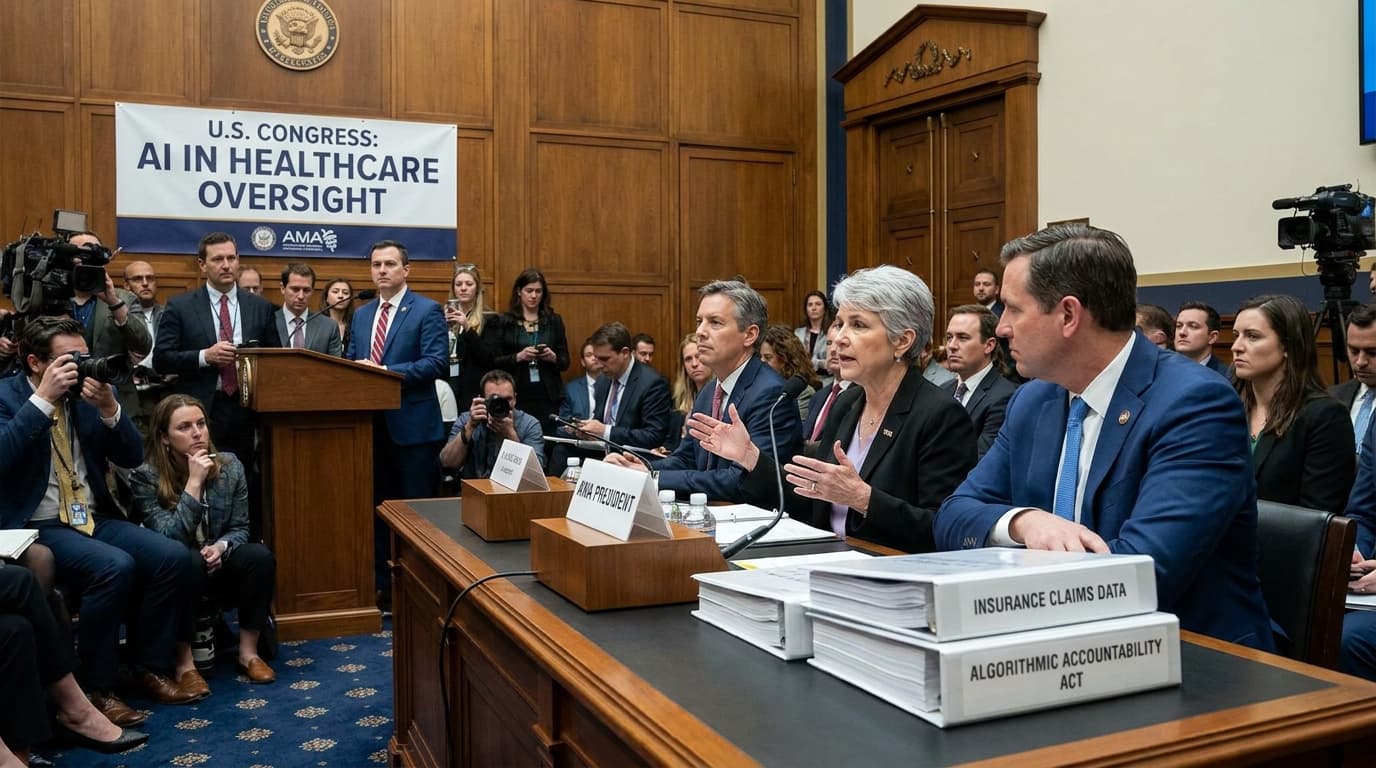
STAT+: AMA and Lawmakers Push Back on AI Care Denials: A Critical Examination

Growing reliance on artificial intelligence in health insurance claim adjudication has prompted significant pushback from both the American Medical Association and lawmakers. As debates intensify, oversight and scrutiny of AI in healthcare administration are reaching a pivotal climax—with profound implications for patient care, provider autonomy, and the role of industry watchdogs.
Introduction
Artificial intelligence has rapidly become an integral component of the healthcare landscape, not solely in clinical decision support and diagnostics but also as a gatekeeper in the insurance claims process. As insurers increasingly deploy AI systems to review, authorize, or deny claims, a new set of ethical, clinical, and regulatory questions has emerged: To what extent should algorithms be empowered to deny care? Who ensures transparency in automated decision-making? And what recourse do patients and providers have when machines say no?
The American Medical Association (AMA), in concert with federal lawmakers, is sounding the alarm on this contentious issue. Recent developments suggest that the use of so-called "black box" AI in claims denials has reached such a scale that regulatory bodies and elected officials are mobilizing to demand accountability, transparency, and fairness.
The Growth of AI in Health Insurance
Historically, insurance claims were handled through a mix of administrative personnel, medical directors, and established protocols. Over the last five years, however, major insurers have increasingly turned to AI-driven tools to automate large swathes of the adjudication process, citing cost savings, efficiency gains, and improved accuracy.
These advances are not without controversy. Automated systems have been shown to deny valid claims at rates that surprise even healthcare insiders. Appeals processes, meanwhile, often rely on generic or insufficient explanations, leaving patients and providers struggling to challenge technology-driven decisions. AI-powered denials have thus become a flashpoint for broader concerns about equity, accuracy, and the transparency of insurance operations.
The AMA’s Response: Advocacy and Policy Demands
The AMA has positioned itself as a staunch advocate for patient rights in the face of AI-driven claim denials. Key prongs of their advocacy include:
- Demanding clear explanations and transparency for any AI-driven denial, ensuring providers and patients understand how decisions are made—and how they can be appealed.
- Calling for robust oversight by federal and state regulators, focused on algorithmic accountability, potential biases, and risk of harm to vulnerable populations.
- Pushing back against any erosion of clinical judgment and medical necessity determinations by “black box” models that may not fully reflect nuanced patient circumstances.
Such advocacy is not just theoretical. The AMA’s actions reflect mounting frustration among physicians, who see administrative AI as another layer of opaque bureaucracy that can threaten patient welfare and undermine professional autonomy.
Lawmakers Enter the Fray
Legislators have taken note of public and professional concern. Across both chambers and parties, there is growing support for initiatives including:
- Public hearings on the use of AI in healthcare, with a focus on claims processing and denials.
- Targeted oversight by federal watchdogs (such as HHS OIG and the Government Accountability Office) to examine the prevalence and consequences of AI-denied claims.
- Introduction of bills that would require insurers to publicly disclose the extent of their reliance on automated systems, their appeals processes, and any third-party tech partnerships.
The groundswell of political attention suggests a shift: whereas previous debates about "algorithmic harm" were largely confined to academia or civil society groups, there is now institutional momentum behind meaningful regulatory reform.
Regulatory, Legal, and Industry Perspectives
The move to regulate AI use in claims denials sits at the intersection of multiple interests:
- Regulators: Charged with ensuring that patients have unfettered access to medically necessary care and that insurers operate transparently and equitably.
- Insurers: Striving to balance fraud detection and cost containment with the reputational risks of being perceived as capriciously or unfairly denying care.
- Technology vendors: Facing pressure to create explainable AI models and tools that meet emerging compliance standards.
Legal scholars and health law experts anticipate a wave of litigation as denied patients, advocacy groups, and providers seek redress. Key legal touchpoints include:
- Whether automated denials comply with the Administrative Procedure Act and due process requirements.
- The sufficiency of notices provided to patients whose care is denied by AI decision systems.
- The role of federal equal protection and anti-discrimination statutes in safeguarding against biased algorithmic outcomes.
The Case for Transparency and Human Oversight
Leading ethicists and healthcare consultants argue that no matter how sophisticated, AI systems must be auditable and subject to human override. Major policy recommendations include:
- Mandating that every automated denial is reviewed by a qualified clinician before final determination.
- Developing standards for documentation, audit trails, and appeals—ensuring that patients are not left navigating a technological labyrinth.
- Creating independent “AI ethics boards” within insurance carriers to regularly evaluate the impact of automation on care accessibility and outcomes.
Recent incidents, highlighted in both academic research and media investigations, have underscored the real-world consequences of unmonitored AI deployment: from delayed oncology treatments to coverage denials for rare or complex diseases, the stakes are high.
Industry Watchdogs and the Path Forward
The Department of Health and Human Services Office of Inspector General (HHS OIG) is among several industry watchers scrutinizing the adoption of AI in insurance processes. Watchdog reports have documented inconsistent or insufficient documentation behind denials, raising questions about how much of the burden can justifiably be shifted onto providers.
There is also a palpable sense that technology vendors are in a race to provide off-the-shelf, high-throughput denial solutions to a wider array of payers. The result: a fragmented landscape in which medical necessity, clinical nuance, and individualized patient care risk being subordinated to efficiency metrics.
Conclusion: Defining the Future of AI in Claim Denials
The current pushback against AI-driven denials is emblematic of broader societal negotiations around digital transformation, especially in sectors as consequential as healthcare. The coming months and years are likely to see:
- Stricter regulatory definitions around which decisions can be entrusted to algorithms.
- Enhanced legal requirements for transparency, appeals, and human review.
- New partnerships between provider organizations, patient advocacy groups, and policy makers to ensure ethical deployment and public trust.
For now, insurers leveraging AI face a fork in the road: become exemplars of transparent, patient-centered innovation, or risk regulatory backlash, legal challenges, and reputational damage. The AMA, lawmakers, and industry watchdogs are clear—technology must serve people, not the other way around.
This article is based on reporting from STAT. For a more comprehensive update, refer to the original source below.
Join the BioIntel newsletter
Get curated biotech intelligence across AI, industry, innovation, investment, medtech, and policy delivered to your inbox.