U.S. Measles Cases Surpass 2025 Total as National Vaccination Rate Slips Below Key Threshold

The United States has experienced an unprecedented surge in measles cases, topping the record from 2025 and signaling a troubling decline in national vaccination coverage. Public health officials are sounding the alarm, warning that eroding confidence in routine immunizations could set the stage for further outbreaks and setbacks in disease control.
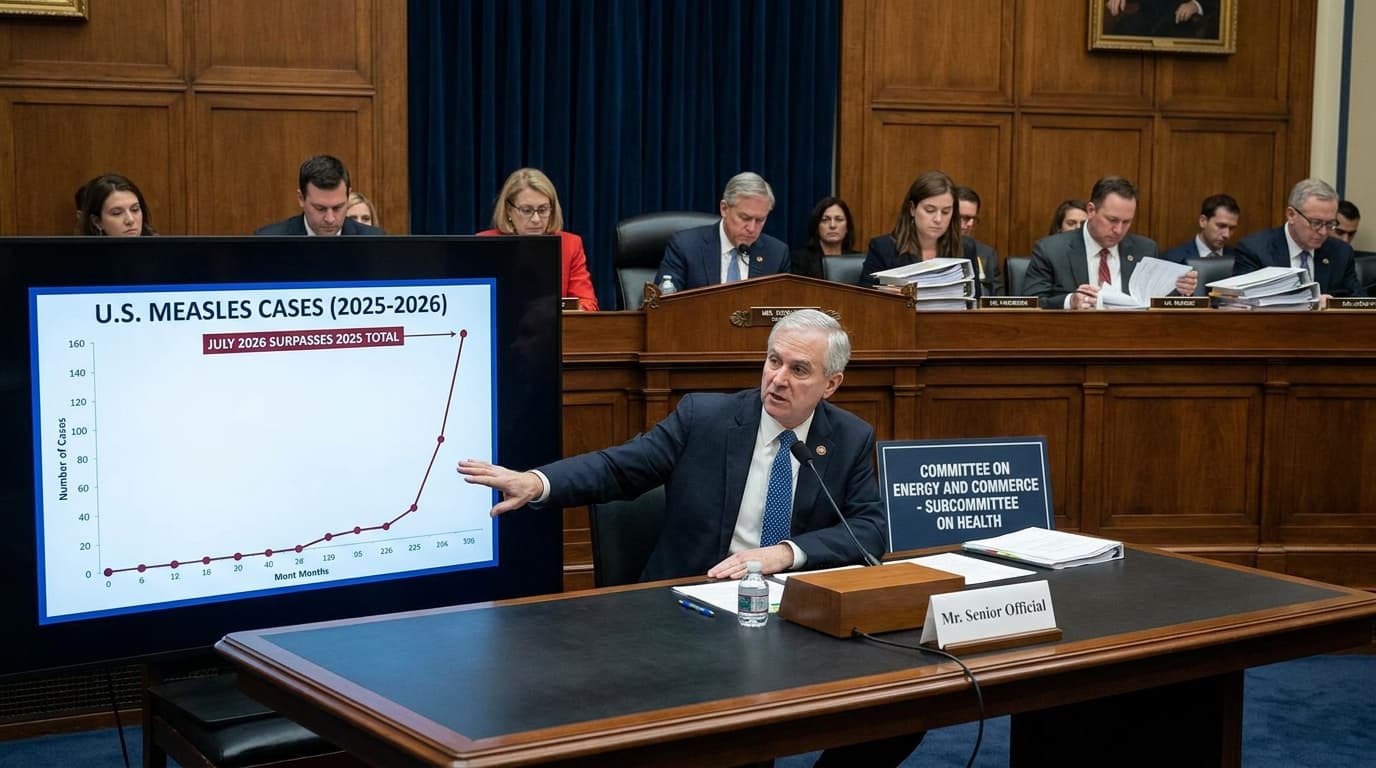
In a worrying development for American public health, the number of measles cases in the U.S. during 2026 has already exceeded the total from the entire year of 2025—even though nearly half of the current year remains. Notably, this surge is occurring alongside a decrease in the national measles vaccination rate, which has now fallen below a critical threshold long regarded as essential for community protection, also known as herd immunity.
A Sobering Milestone in Measles Resurgence
Measles, a highly contagious viral disease preventable through vaccination, was declared eliminated from the United States in 2000. Yet, in recent years, regions across the country have seen resurgences due in large part to declining immunization rates and growing vaccine skepticism.
By July 2026, the U.S. had already reported more documented cases than during the record-setting 2025, raising profound concerns about the nation’s ability to fend off further outbreaks. With five months still remaining, public health experts anticipate that the country could face its worst measles year in decades unless mitigation measures improve significantly.
The Decline in Vaccination Rates: What's Happening?
The CDC and state health departments have identified a systemic downturn in vaccination rates as a central driver behind the spike in measles cases. Several intertwined factors appear to be behind this decline:
- Vaccine Hesitancy: Misinformation about the safety and necessity of vaccines continues to spread through social media and certain advocacy groups, eroding public confidence.
- Policy Barriers: In some states, relaxed vaccine mandate enforcement has allowed more families to seek exemptions on philosophical, religious, or medical grounds.
- Healthcare Access: The COVID-19 pandemic and its aftermath have disrupted preventative care, leading to missed well-child visits and delays in childhood immunizations.
Why the Herd Immunity Threshold Matters
Herd immunity occurs when a sufficiently high portion of a population is immune to a contagious disease, thereby protecting those who are not immune—such as infants and immunocompromised individuals—by preventing the disease from spreading. For measles, that threshold is commonly placed at about 90–95% vaccination coverage. Experts now warn the U.S. has dipped below this level for the first time in years, creating significant risk for explosive outbreaks.
The Potential Impact of Falling Below Herd Immunity
When vaccination rates fall beneath the herd immunity threshold, the likelihood of large-scale measles outbreaks increases dramatically. Measles is recognized as one of the most contagious diseases known, with each case potentially sparking further transmission in a largely susceptible community. This amplifies risk not just for unvaccinated children, but also for adults with waning immunity and medically vulnerable populations.
Public Health Response and Warnings
Public health authorities at both the federal and state levels are raising alarms. Epidemiologists point to a convergence of trends—rising case numbers, increased susceptibility, and potential for major outbreaks—as an urgent call for renewed attention to routine immunization.
Efforts are being ramped up to:
- Boost access to vaccination services, especially in underserved communities.
- Counter misinformation through targeted outreach and communication campaigns.
- Urge policymakers to reconsider vaccine exemption laws and strengthen requirements in settings such as schools and daycare centers.
The Broader Picture: Lessons from Recent Outbreaks
The U.S. experience with measles in 2026 is not occurring in isolation. Globally, a range of infectious diseases that had been under control or on the verge of elimination have resurged as pandemic-related disruptions and vaccine skepticism erode gains made in previous decades.
Several high-profile outbreaks, particularly in communities with low vaccination coverage, have highlighted the narrow margin for error in battling measles. The rapid pace at which the current U.S. outbreak has surpassed last year's tally is emblematic of how quickly the disease can gain ground when immunization frameworks are weakened.
Looking Forward: The Road to Containment
Given the present trajectory, it is likely the U.S. will see further escalation in measles case counts in the remainder of 2026 unless public health interventions are markedly intensified. This would mean:
- Scaling up routine childhood vaccinations.
- Ensuring healthcare systems are equipped to deliver catch-up shots to older children and adults who missed appointments.
- Enhancing public trust in science-backed guidance through clear, evidence-based communication.
Challenges remain formidable. Vaccine opposition, logistical issues in rural or under-resourced regions, and policy debates at state and federal levels represent persistent obstacles. Nevertheless, many public health experts argue that a renewed focus on immunization and science-informed policy is critical if the nation is to reverse current trends.
Conclusion: A Critical Juncture for Vaccine Policy and Public Health
The surpassing of 2025’s measles case total by July 2026 is far more than a statistical milestone—it is a call to action for stakeholders across the healthcare, policy, and community spectrum. The immediate response must focus on stopping the current outbreaks, but the long-term solution will require rebuilding trust in vaccines, closing immunization gaps, and ensuring robust, enforceable policies nationwide.
For now, the nation’s collective resilience against measles—and other vaccine-preventable diseases—hangs in the balance between public perception, policy, and scientific evidence.
Source: STAT News
Join the BioIntel newsletter
Get curated biotech intelligence across AI, industry, innovation, investment, medtech, and policy delivered to your inbox.