ArsenalBio Cuts 99 Jobs In Pivot To In Vivo CAR-T, Halting Ex Vivo Clinical Development

Arsenal Biosciences said a "significant strategic shift" will leave it with a core team focused on in vivo CAR-T therapies. At the same time, the company is seeking strategic opportunities for its existing technology and assets after dropping prior lead programs from its pipeline.
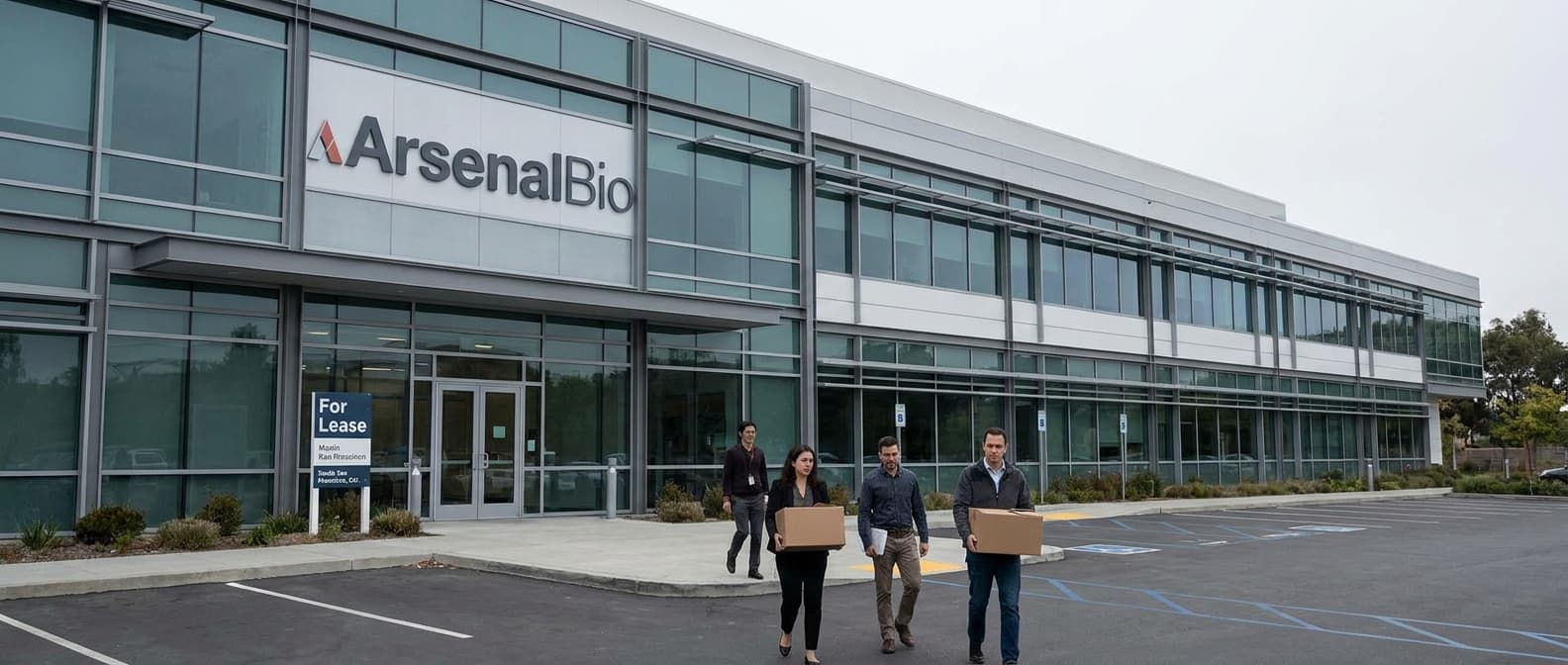
Arsenal Biosciences is making a sharper turn than its previous downsizing suggested. The company said it is pivoting to in vivo CAR-T therapy, a move that includes cutting 99 employees, representing the majority of the company across teams, functions and locations, and stopping development of its ex vivo clinical assets.
The decision follows an earlier workforce reduction in September 2025 that left ArsenalBio with 127 employees. The new restructuring leaves the company with what BioSpace described as a core team to advance the in vivo strategy while it looks for strategic alternatives for its assets and technologies.
The Strategic Shift
CEO Ken Drazan said ArsenalBio plans to apply its understanding of T cell biology and compositions to in vivo approaches, where the company believes its technology can help move the field forward. That reframes ArsenalBio from a developer of ex vivo CAR-T programs for solid tumors into a much smaller company trying to reposition around one of the most active areas in cell therapy.
The commercial and scientific bet is notable because ArsenalBio had built its identity around solid tumors, an area where there are still no approved CAR-T medicines, only blood cancers. The company had previously raised $325 million two years ago with backing that included Bristol Myers Squibb and Regeneron, and it also had a partnership with Roche’s Genentech.
Pipeline Reset
The restructuring also appears to mark a clean break with programs that once defined the company. Fierce Biotech reported that AB-2100 is no longer listed in ArsenalBio’s pipeline, while BioSpace said both AB-2100 and AB-1015 have been dropped from the pipeline page, even though AB-1015 remains categorized as active but not recruiting on clinicaltrials.gov.
AB-2100 had been ArsenalBio’s previous lead asset, described by BioSpace as an autologous integrated circuit cell therapy in early-stage development for renal cell carcinoma. Topline data had been expected to read out in March, but BioSpace said no disclosures have been made. The company’s current pipeline instead highlights AB-3028, an early clinical-stage prostate cancer program, and AB-7000, a preclinical candidate for an undisclosed indication.
For investors and partners, the signal is that ArsenalBio is no longer trying to incrementally narrow its original strategy. It is shrinking, exiting ex vivo clinical development, and entering a crowded in vivo CAR-T field that already includes contenders such as Eli Lilly, Johnson & Johnson, AstraZeneca and Gilead Sciences’ Kite Pharma. The remaining question is whether strategic interest in its legacy assets or platform can preserve value during that transition.
Join the BioIntel newsletter
Get curated biotech intelligence across AI, industry, innovation, investment, medtech, and policy delivered to your inbox.