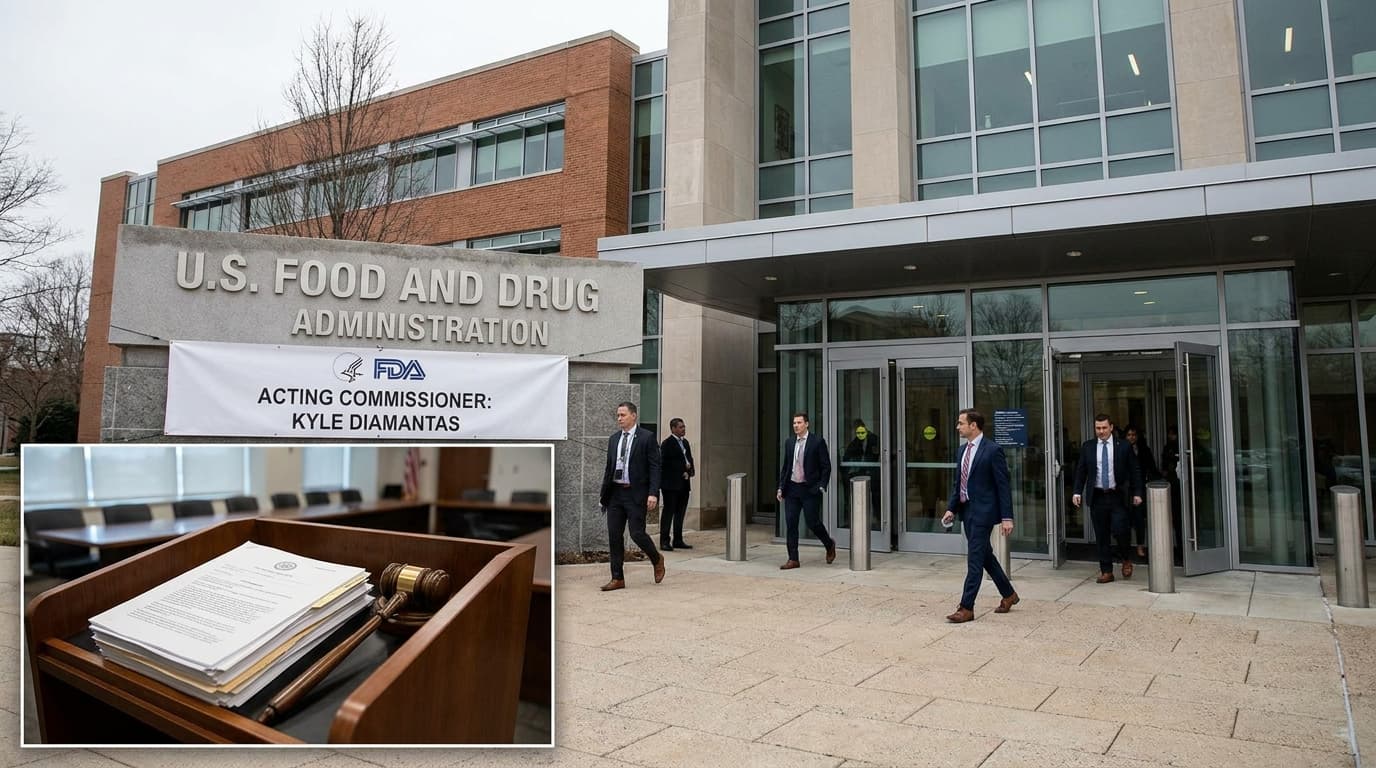
At the FDA: Balancing Flexibility and Stability Amid Leadership Transitions

As UniQure prepares a third-quarter submission for its Huntington’s disease gene therapy, many in the biopharmaceutical industry are watching the FDA’s approach under acting commissioner Kyle Diamantas for signs of lasting change. This feature examines the evolving regulatory landscape and explores whether recent displays of flexibility represent a new permanent direction, or are simply the calm before the next wave of policy shifts.
Introduction
The regulatory environment at the U.S. Food and Drug Administration (FDA) continues to be a focal point for biotechnology and pharmaceutical stakeholders alike. Change is a hallmark of any large regulator, but times of leadership transition—in this case, under acting commissioner Kyle Diamantas—carry their own distinctive challenges and opportunities.
The FDA’s current “caretaker mode,” described by observers as markedly different from a “power trip” approach, has sparked both optimism and caution within industry circles. This article delves deep into the nuances of the FDA’s approach under interim leadership, with a particular focus on the regulatory flexibility recently demonstrated in the area of gene therapy, such as UniQure’s planned third-quarter submission for Huntington’s disease—a pivotal test case for the agency’s evolving philosophy.
How sustainable is this more open stance? How are companies adapting to what could either be a temporary window of regulatory flexibility or the beginning of more permanent change? The answers have far-reaching implications, not just for those with pending applications, but for the entire U.S. life sciences ecosystem.
The Context: FDA Leadership in Transition
Regulatory agencies like the FDA play an outsized role in the commercial and scientific progress of medical biotechnology. Every leadership transition, interim appointment, or shifting policy emphasis is watched closely—not just by the companies with immediate business before the agency, but also by global peers, patient advocacy groups, and investors.
Acting Commissioner Kyle Diamantas has taken charge during a period of heightened attention to the FDA’s responsiveness, scientific rigor, and ability to adapt to new medical paradigms. In this landscape, every decision is scrutinized for signals about deeper institutional trends.
Caretaker Mode: What Does It Mean for Stakeholders?
“Caretaker mode,” as it’s being called, refers to a style of regulatory oversight characterized by a willingness to consider new evidence, responsiveness to evolving data, and an aversion to hardline, inflexible positions. Under Diamantas, the FDA appears less focused on consolidating power or pushing sweeping new directives, and more attuned to pragmatic, evidence-based policymaking.
For drug developers, particularly those in the advanced therapy and rare disease fields, this stance is being viewed as a rare window of opportunity. Companies like UniQure—now preparing a third-quarter regulatory submission for its Huntington’s disease gene therapy—see fast-evolving FDA perspectives as favorable to innovation. This environment allows for dialogue, reconsideration of previous positions, and course corrections in light of emerging science.
The Huntington’s Disease Test Case
UniQure’s situation is emblematic. The company is pushing forward a novel gene therapy approach to Huntington’s disease—one of the most challenging neurodegenerative conditions for which patients and families have long awaited new options. Recent regulatory flexibility shown by the FDA in engaging with UniQure and other gene therapy developers may point to a more collaborative, less dogmatic regulatory culture.
But some experts question how lasting this flexibility will be. As Diamantas’ interim leadership proceeds, will positive, innovative decisions stick, or will future policy reversals undermine confidence in the FDA’s direction? For the industry, the risk of sudden swings—between flexibility and retrenchment—requires vigilance and adaptive planning.
The Trade-Offs: Flexibility Versus Consistency
Flexibility is not without risk. Excessive changes or a lack of clear, consistent standards can create a confusing regulatory playing field, particularly for companies investing heavily in long-term research and development programs.
Stakeholders must ask:
- Will the next permanent FDA commissioner maintain the same level of openness and pragmatism?
- Can companies count on the agency to “lock in” fair interpretations and precedents, or must they prepare for sudden reversals?
- How can researchers and executives ensure regulatory compliance amid moving goalposts?
The answer to these questions will shape not just clinical development strategies, but also investment decisions and stakeholder confidence.
Institutional Memory and Policy Continuity
A recurring concern is whether the policies and precedents set during Diamantas’ tenure will survive in subsequent administrations. FDA staffers, outside observers, and industry groups are all keenly aware that interim periods often favor experimentation, but that permanent policy changes require broader consensus and buy-in.
The FDA’s complex bureaucracy is engineered to ensure some degree of continuity, but quick pivots and leadership changes can introduce instability. How the agency manages institutional memory—and communicates the parameters of flexibility—will be critical in sustaining trust.
Industry Adaptation Strategies
Prompted by regulatory shifts, companies are recalibrating their engagement strategies. Some are relishing increased openness and the chance to advocate for more innovative trial designs, novel endpoints, or faster approval pathways. Others remain cautious, hesitant to invest in approaches that could be rendered obsolete by the next round of agency priorities or leadership.
Sophisticated biopharma firms are now:
- Bolstering regulatory affairs teams
- Investing in scenario planning around multiple policy futures
- Engaging in robust dialogue with FDA reviewers and policymakers
- Monitoring federal communications and public meeting records for clues about future direction
Lessons from History: Cycles of Change at the FDA
The patterns of waxing and waning regulatory flexibility are not new. The FDA has, in the past, shifted between bold, innovation-friendly periods and more conservative, highly risk-averse cycles. Understanding this ebb and flow is crucial for organizations aiming to thrive amid uncertainty.
A lesson from earlier cycles: periods of openness often result in rapid technical progress, but can also provoke political or public backlash if safety or efficacy issues arise in expedited products. Conversely, retrenchment may safeguard public trust but risk stalling much-needed medical advances.
Patient and Public Perception
For patients—including those affected by Huntington’s disease—the stakes could not be higher. Advocacy groups are closely watching whether “caretaker mode” will persist, bringing earlier access to transformative therapies, or whether gatekeeping will return with new permanent leadership.
Public trust in FDA decision-making is, as ever, a critical currency. The FDA must continue its efforts to communicate clearly about the rationale behind both flexible and conservative decisions, underscoring commitments to both innovation and safety.
Conclusion: The Road Ahead
The FDA is at a crossroads. Under acting commissioner Diamantas, “caretaker mode” has brought elements of regulatory nimbleness that many in the biotech and pharma sectors view as necessary for 21st-century medicine. But history warns that these windows can be brief. Companies, stakeholders, and policymakers alike must remain engaged, vigilant, and prepared for both further liberalization and the possibility of a return to stricter norms.
As the experiences of UniQure and the Huntington’s disease gene therapy community demonstrate, real patients are affected by even small shifts in regulatory attitude. Balancing flexibility with stability is a perennial FDA challenge that will only intensify as new therapies—and leadership transitions—arrive on the horizon.
Source: BioSpace - At FDA, ‘caretaker mode’ is better than power trip mode
Join the BioIntel newsletter
Get curated biotech intelligence across AI, industry, innovation, investment, medtech, and policy delivered to your inbox.