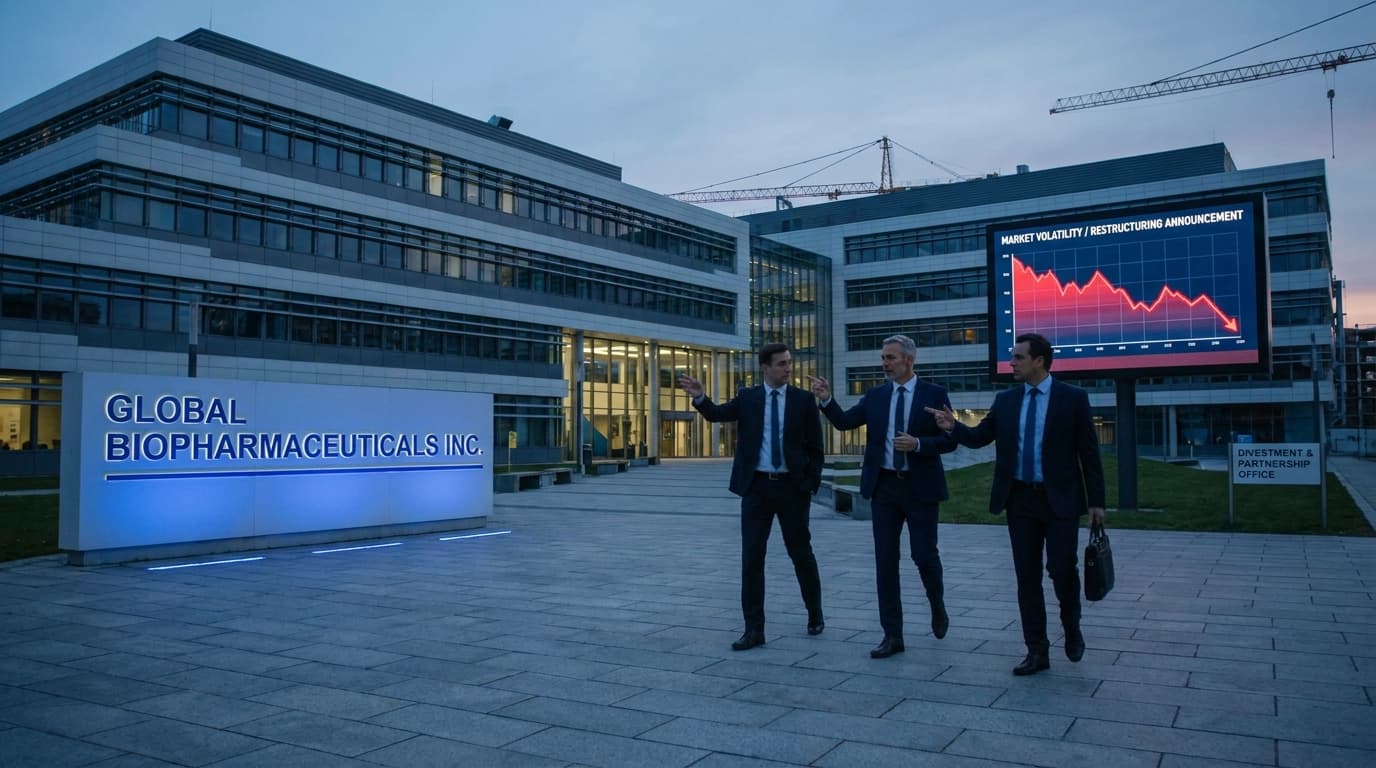
Big Pharma Restructures to Ride Out ‘Existential Risk’: Industry Adapts Amid Ongoing Challenges

Even the largest players in the pharmaceutical industry, often perceived as stalwarts of financial stability and operational might, are facing unprecedented pressure to adapt. The confluence of regulatory, economic, and competitive threats is leading to fundamental shifts in global biopharma strategy.
The pharmaceutical industry, often characterized by its resilience and innovation, is currently navigating perhaps the most challenging period in its modern history. Even the largest, most entrenched biopharmaceutical organizations are being compelled to take a critical, introspective look at their cost structures and operational strategies. The sense of urgency driving these changes is rooted in what many executives and analysts now describe as an “existential risk”—a combination of forces that, if left unaddressed, could undermine the very foundation of the industry’s business models. In this analysis, we explore the landscape of risk for big pharma, the catalysts for restructuring, and what these changes signal for the future of global biopharma.
The Compounding Challenges Facing Big Pharma
The term “existential risk” may seem hyperbolic, but the pressures facing big pharma have increased in both frequency and intensity. From regulatory hurdles and pricing controls to patent cliffs and rising R&D costs, the industry landscape looks different than it did even a decade ago.
Regulatory Pressures
Regulatory authorities worldwide are continually revising their requirements for safety, efficacy, and cost-effectiveness. Guidelines shift as new science emerges, public health priorities change, and governments wield more influence over market entry and pricing. For international pharmaceutical giants, navigating the patchwork of requirements in the US, Europe, Asia, and developing markets has become a formidable challenge. Each regulatory update can cascade into increased costs, longer development timelines, and heightened uncertainty for new product launches.
Economic and Market Dynamics
Globally, economies are facing inflation, currency volatility, and fluctuating access to capital. Pharmaceutical companies must contend with pressures on drug pricing as governments and private payors alike seek to rein in healthcare costs. With blockbuster drugs losing exclusivity and new entrants, including biosimilars and generics, eating into established revenue streams, traditional growth levers are less reliable. Additionally, emerging health technology assessment frameworks—especially in the European Union—scrutinize the value offered by novel therapies, often resulting in lower negotiated prices.
Innovation Pipeline Uncertainty
Historically, pharmaceutical companies have relied on a “blockbuster” model, with a handful of high-revenue drugs driving overall profitability. Breakthrough therapies continue to emerge, but the cost of discovery and development has soared. It is estimated that bringing a new drug to market now averages well over a billion dollars. As a result, companies are taking a hard look at their pipelines, pruning underperforming and high-risk R&D projects, and seeking efficiencies wherever possible.
Global Competition
The biopharma landscape is further complicated by intensifying competition not only from other pharmaceutical giants but also from nimble biotechnology startups and multinational corporations outside the traditional health sector. Big tech companies are making inroads into digital health, data analytics, and even therapeutics, further eroding the traditional market boundaries.
The New Strategic Imperative: Realigning Cost Structures
Facing these converging risks, big pharma organizations have initiated sweeping restructuring initiatives that go far beyond one-time cost containment. The focus is now on agility and financial discipline, with leadership increasingly favoring flexible, scalable models:
Portfolio Reshaping
Major companies are slashing non-core assets, divesting lagging business units, and doubling down on “future-fit” therapeutics—such as advanced biologics, gene therapies, and digital health platforms. The realignment is designed to free up capital for sustained reinvestment in R&D and next-generation healthcare solutions. For instance, some firms have exited consumer healthcare segments or spun off mature product lines to focus exclusively on high-margin prescription medicines.
Operational Streamlining
Pharma leaders are reevaluating their entire value chains, from manufacturing to sales and marketing. Outsourcing, automation, and a new embrace of digital infrastructure are being widely adopted to enhance efficiency and reduce overhead. As remote work and virtual engagement models become more prevalent, companies have also adjusted their global workforce footprints and real estate portfolios accordingly.
Strategic Partnerships
Recognizing that innovative science increasingly emerges from outside their own labs, large pharmaceutical companies are forging deeper collaborations with biotech firms, academia, and technology companies. These alliances, ranging from equity investments to risk-sharing joint ventures, help spread development risk and improve access to external innovation.
Mergers, Acquisitions, and Divestitures
While dealmaking has always played a central role in big pharma strategy, the current environment has intensified interest in strategic transactions. Acquisitions are used to fill portfolio gaps, access new technology platforms, and achieve scale in emerging therapeutic areas. At the same time, divestitures help streamline operations and sharpen strategic focus.
The Human Impact: Jobs and Careers in Flux
Restructuring unavoidably impacts the workforce. Even as companies invest in new capabilities, many employees face uncertainty as roles are realigned or eliminated. Industry-wide, redundancies have increased, and there is growing demand for new skill sets—especially those related to data science, digital health, and specialized biologic manufacturing. Workforce transitions, reskilling programs, and thoughtful change management are now essential components of any restructuring plan.
Investor Perspective: Focus on Long-Term Value
For shareholders, the new era is marked by a shift from near-term earnings per share growth to sustainable value creation. Investors are closely scrutinizing how management teams balance cost discipline against continued investment in innovation. The transparency and clarity with which companies communicate their restructuring logic and future growth narratives can have a marked impact on market confidence.
Risks and Opportunities Ahead
Risks of Restructuring
The process of transformation entails significant operational and reputational risk. Aggressive cost-cutting, if not carefully managed, can erode core scientific capabilities and diminish the ability to execute on long-term strategy. Additionally, as companies prune their portfolios, they may inadvertently shed assets that could have value in changing market or regulatory contexts. The need for ongoing adaptability cannot be overstated.
Unfolding Opportunities
Yet, within each challenge lies opportunity. The move toward leaner, more focused organizations positions big pharma to respond nimbly to scientific and market developments. With stronger balance sheets, clarified strategies, and reinvigorated cultures of innovation, those that execute well should be well positioned for leadership in the next era of medicine.
Conclusion: A New Era for Biopharma
The current wave of restructuring among major pharmaceutical companies signals a broader inflection point for the industry. Confronted by existential risks that are testing the boundaries of their operating models, big pharma is not merely adjusting—it is fundamentally reinventing itself. While the journey ahead is fraught with uncertainty, the willingness to embrace change may ultimately ensure the industry’s continued relevance and success in meeting the world’s health needs.
As industry observers continue to monitor these developments, the lessons learned from this period of upheaval are likely to shape not only the fortunes of individual companies, but also the trajectory of biomedical innovation and global health for years to come.
Sources: BioSpace
Join the BioIntel newsletter
Get curated biotech intelligence across AI, industry, innovation, investment, medtech, and policy delivered to your inbox.