Biogen and Eisai Face FDA Delay for Subcutaneous Alzheimer’s Therapy Launch

Biogen and Eisai's application for a subcutaneous induction formulation of their Alzheimer’s disease therapy Leqembi has encountered a three-month review delay from the FDA. This extension allows additional time for reviewers to evaluate a significant amendment to the application, postponing the target action date to late August 2026.
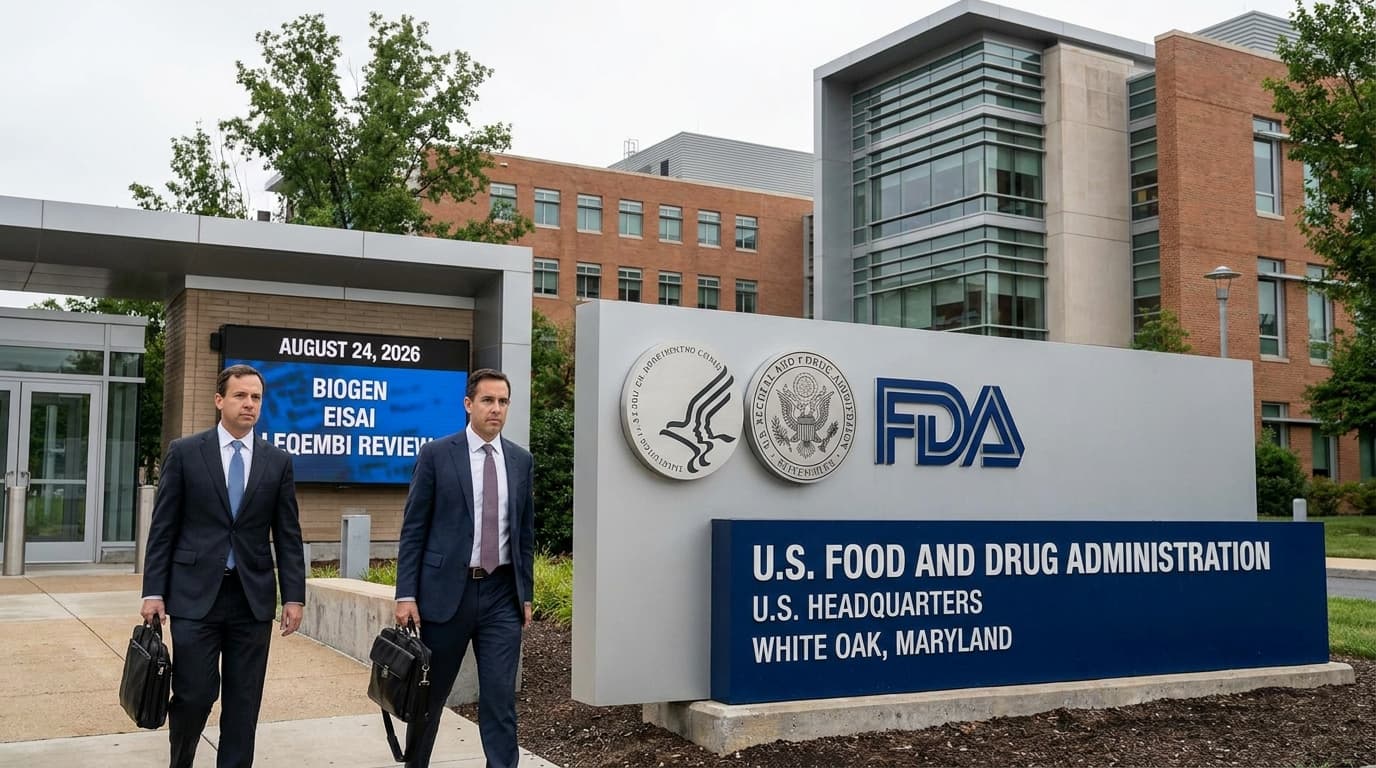
Biogen and Eisai, two major players in the biopharmaceutical industry, recently received news from the U.S. Food and Drug Administration (FDA) indicating that the regulatory review of their subcutaneous induction formulation of the Alzheimer’s therapy Leqembi will be extended by approximately three months. Originally poised for an earlier decision, the FDA has set the new target action date to August 24, 2026.
This extension reflects the agency's request for more time to thoroughly evaluate a substantial amendment submitted by the companies to their application. Leqembi, which targets Alzheimer's disease, is a critical therapy with the potential to impact millions of patients worldwide. Transitioning to a subcutaneous induction formulation is a strategic development aimed at improving administration convenience and patient adherence compared to intravenous formulations.
The delay is noteworthy as it underscores the FDA's commitment to detailed scrutiny in approving novel therapies, especially those targeting complex neurodegenerative conditions like Alzheimer’s disease. These types of therapies often require comprehensive clinical data assessments to ensure safety and efficacy before approval for widespread use.
This regulatory pause may affect the market introduction timeline of the therapy, influencing stakeholders across the pharmaceutical supply chain. Patients awaiting newer forms of treatment may need to manage expectations regarding availability, while healthcare providers and insurers will be monitoring the situation as it evolves.
From an industry perspective, the delay highlights the ongoing challenge pharmaceutical companies face in navigating regulatory environments that demand rigorous documentation and trial evidence. Biogen and Eisai's continued engagement with the FDA will be crucial in addressing any outstanding concerns and advancing towards approval.
The broader context of Alzheimer's disease treatment development remains highly dynamic, with multiple companies investing heavily in research and development to address the urgent unmet medical needs. Innovative formulations such as subcutaneous therapies represent an advancement aiming to optimize treatment delivery and patient experience.
In summary, while the three-month delay in regulatory review presents a setback in the commercial launch plans for Biogen and Eisai’s subcutaneous Alzheimer’s therapy Leqembi, it emphasizes the careful due diligence necessary in bringing new therapeutic options to market safely and effectively.
For further detail, the original report can be found at BioSpace: https://www.biospace.com/fda/biogen-eisai-hit-with-3-month-delay-for-starting-subq-alzheimers-therapy
Join the BioIntel newsletter
Get curated biotech intelligence across AI, industry, innovation, investment, medtech, and policy delivered to your inbox.