Biomedical Student Enrollment Increases Despite Funding Challenges in 2025

In the face of significant financial challenges impacting biomedical research, new data reveal a surprising uptick in graduate student enrollment in biomedical degree programs across the United States. This trend underscores the resilience and continued interest in the biomedical field, reflecting a potential shift in future research dynamics despite economic headwinds.
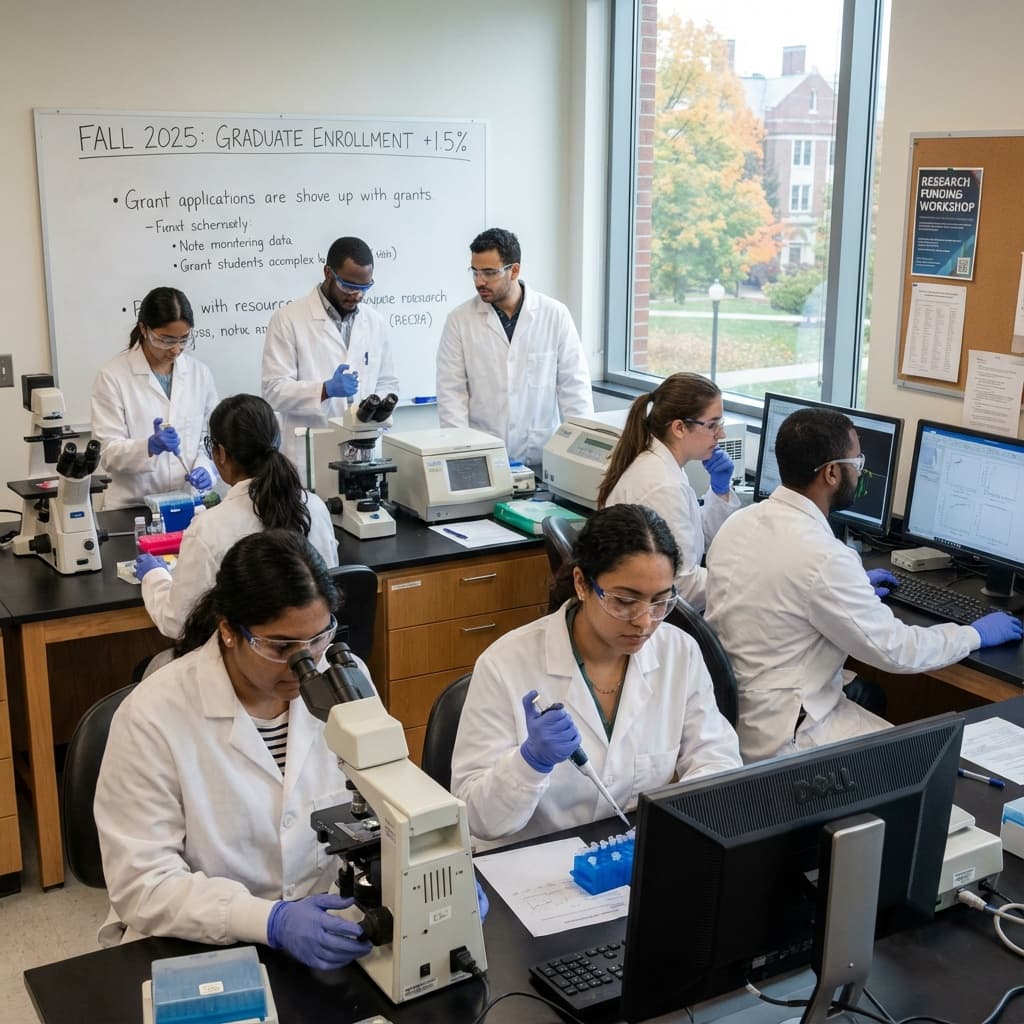
The landscape of biomedical education in the United States experienced a noteworthy development in the fall of 2025, revealing a 1.5% increase in graduate student enrollment in biomedical degree programs compared to the previous year, fall 2024. This growth is particularly significant given the context of funding turmoil that has pervaded the biomedical research sector.
Biomedical research funding has faced a series of challenges including fluctuating government budgets, shifting priorities in public and private investment, and broader economic uncertainties. Despite these hurdles, the increase in enrollment points to a sustained and even growing interest among graduate students to engage with biomedical sciences.
This phenomenon can be analyzed from multiple dimensions. For one, the rising enrollment suggests that despite funding difficulties, the perceived value and potential impact of biomedical education remain strong. Students appear to be motivated by the ongoing advances in biomedicine and the promise of contributing to transformative healthcare solutions.
Additionally, this trend could reflect the adaptability of biomedical programs and institutions, which may have implemented strategies to support students more effectively during tougher economic times. Such measures might include increased financial aid, scholarships, and partnerships with industry to provide alternative funding and research opportunities.
Moreover, the increase in biomedical enrollment highlights the critical role of education and training in sustaining the biomedical research and healthcare ecosystems. A well-trained workforce is essential for driving innovation, conducting cutting-edge research, and translating scientific discoveries into medical advancements.
In terms of implications, continued growth in enrollment amidst funding constraints may signal future shifts in the research environment. More students entering the field can lead to a competitive but vibrant academic landscape where novel ideas and collaborations flourish. However, this also underscores the necessity for sustained and stable funding streams to support these emerging researchers and the broader scientific infrastructure.
The data also prompt a closer examination of the factors behind student decisions to pursue biomedical degrees. Economic incentives, career prospects, societal need, and personal aspirations all interplay in shaping these choices. Understanding these motivations could help policymakers, educational institutions, and industry leaders tailor support mechanisms effectively.
While the funding environment remains a variable factor, the resilience shown by enrollment trends offers a measure of optimism. It reflects a collective acknowledgment of the importance of biomedical sciences in addressing health challenges and improving quality of life.
Looking forward, maintaining and enhancing this trajectory will likely require concerted efforts from multiple stakeholders. Governments, academic institutions, private sector entities, and philanthropic organizations must collaborate to create a conducive environment for biomedical education and research.
In summary, the 1.5% rise in graduate biomedical student enrollment in fall 2025 despite funding turmoil signifies a robust interest in the field and a pivotal moment for sustaining the biomedical workforce pipeline. This trend serves as a bellwether for the resilience and potential growth of biomedical sciences in the coming years, emphasizing the need for strategic investments and supportive policies.
Join the BioIntel newsletter
Get curated biotech intelligence across AI, industry, innovation, investment, medtech, and policy delivered to your inbox.