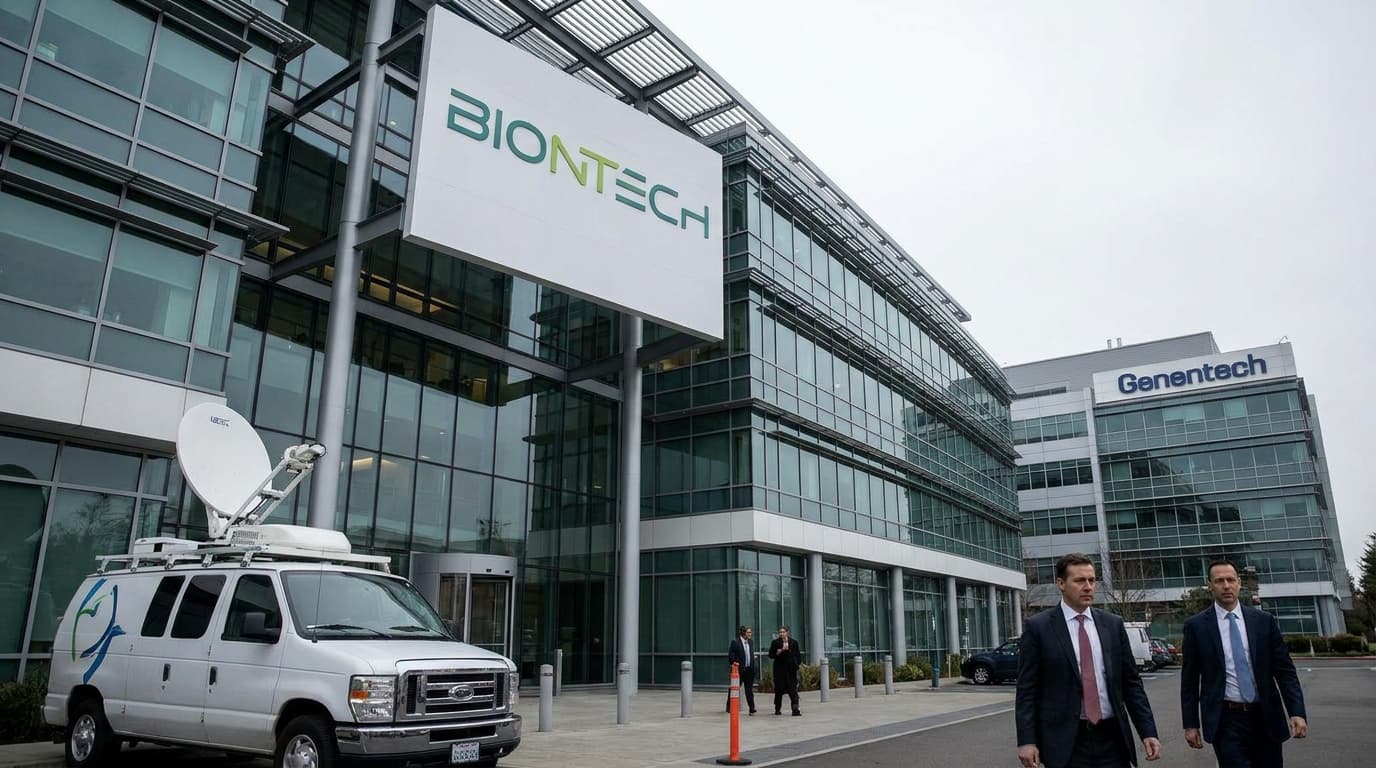
BioNTech And Genentech Halt BNT122 Phase 2 After More Deaths In Vaccine Arm, Narrowing The Monotherapy Case In Colorectal Cancer

The stopped study tested whether autogene cevumeran, also known as BNT122, could prevent recurrence after surgery by targeting each patient’s tumor mutations. Instead, Genentech confirmed there were more deaths in the vaccine arm in this patient population, shifting attention to whether the platform’s future depends on combination use rather than standalone treatment.
BioNTech and Genentech have terminated a phase 2 study of autogene cevumeran, or BNT122, in patients with surgically removed stage 2 or 3 colorectal cancer after an independent Data Safety Monitoring Board found a numerical imbalance in overall survival. Genentech told Fierce that there were more deaths in the vaccine arm in this specific patient population.
The trial had been testing whether the personalized mRNA vaccine could help prevent recurrence following surgery by targeting each patient’s unique cancer mutations. Instead of extending the adjuvant monotherapy case for individualized cancer vaccines, the result adds a safety and efficacy setback in a tumor type BioNTech itself described as immunotherapy-insensitive and shaped by an immune-suppressive microenvironment.
The Trial Outcome
BioNTech said the survival imbalance led the Data Safety Monitoring Board to recommend stopping the trial. The companies have not disclosed fuller efficacy numbers in the source material, but the direction of the outcome is materially worse than a simple failure to meet a recurrence endpoint because it involved overall survival and an observed excess of deaths in the treatment arm.
Özlem Türeci, BioNTech’s co-founder and outgoing chief medical officer, said the result was not what the company had envisioned for mRNA as a monotherapy in colorectal cancer, adding that it still offers scientific insight for future investigational mRNA cancer immunotherapies.
What The Setback Means
The immediate read-through is narrower than a broad verdict on personalized cancer vaccines. Citi analysts, cited by Fierce, said the terminated study is mainly a knock against BNT122’s potential as a monotherapy in so-called cold tumors that lack an active immune response. In that setting, presenting personalized antigens to T cells through a vaccine is less likely to work if those T cells are not already activated against the tumor.
That helps explain why much of the field has shifted toward pairing cancer vaccines with immunotherapies that stimulate immune activity. Fierce framed the result against Merck and Moderna’s phase 3 success with a Keytruda-combination personalized mRNA vaccine, highlighting that the more encouraging commercial and clinical path for this modality currently appears to be combination therapy rather than standalone use.
The Program From Here
The BNT122 program is not over. Genentech said another phase 2 trial testing the vaccine in combination with immunotherapy remains ongoing and that it remains committed to investigating autogene cevumeran with BioNTech.
For BioNTech, the signal is that platform value may now depend less on the personalization concept itself and more on choosing tumor settings and partner regimens that can generate an immune response strong enough for the vaccine to matter. Citi called the termination a clear setback that raises the bar for BNT122, but still sees potential in combination approaches.
Join the BioIntel newsletter
Get curated biotech intelligence across AI, industry, innovation, investment, medtech, and policy delivered to your inbox.