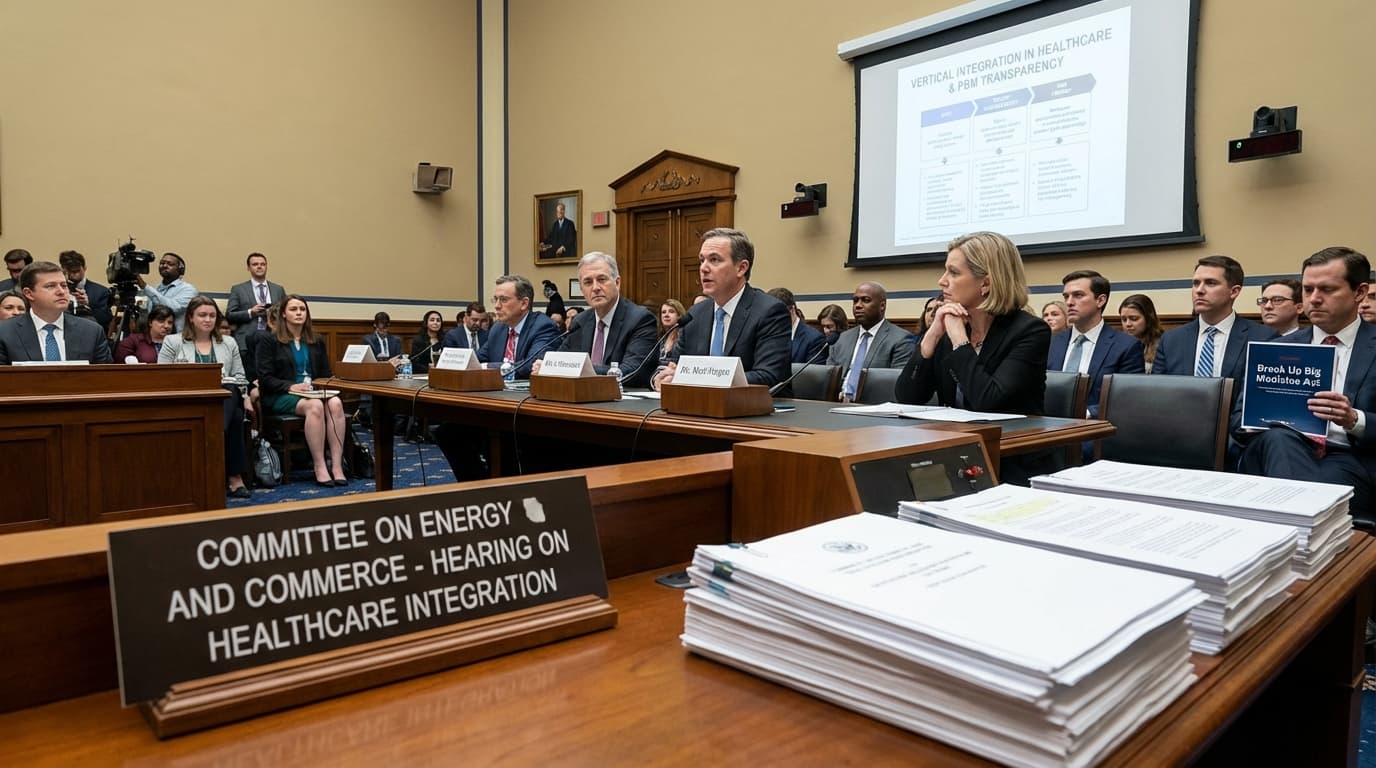
Congressional Challenges in Tackling Vertical Integration in Healthcare Amid PBM Transparency Reforms

The bipartisan Break Up Big Medicine Act aims to dismantle the growing influence of vertically integrated healthcare companies. However, experts suggest that despite recent wins on PBM transparency and delinking, the political and industry resistance make passing this legislation unlikely. Understanding these dynamics is essential for stakeholders seeking meaningful healthcare reform.
The healthcare industry in the United States has long been characterized by complex relationships and overlapping entities, often leading to concerns about monopolistic practices and decreased competition. One such concern is vertical integration, where companies expand control across multiple levels of healthcare delivery and administration, combining providers, insurers, and pharmacy benefit managers (PBMs). This consolidation can have significant implications for costs, quality, and access to care.
In recent years, Congress has made strides in increasing transparency around PBMs to address hidden pricing and rebate practices that affect drug costs and insurance premiums. These reforms, notably the bipartisan Break Up Big Medicine Act proposals, aim to separate PBM functions from other healthcare entities to enhance competition and reduce conflicts of interest.
However, experts are skeptical about the chances of legislation addressing broader vertical integration passing through Congress. Several factors contribute to this skepticism including entrenched industry lobbying efforts, political divisions, and the complexity of healthcare ecosystems.
The Break Up Big Medicine Act represents a bold attempt to disentangle the vertical integration that many critics argue drives up healthcare costs and stifles innovation. While transparency reforms targeting PBMs have been enacted after years of bipartisan effort, expanding these efforts to address the entire vertical integration issue faces significant hurdles.
Key challenges include:
-
Industry Influence: Large vertically integrated healthcare companies wield significant lobbying power and resources to oppose regulations that could disrupt their business models.
-
Political Divide: Although PBM transparency enjoyed bipartisan support, broader market restructuring touches on issues of antitrust enforcement that remain politically contentious.
-
Regulatory Complexity: Vertical integration involves various stakeholders across different regulatory domains, making it difficult to craft legislation that is both comprehensive and precise.
-
Stakeholder Concerns: Providers and payers alike express mixed views; some argue that integration can improve care coordination, whereas others highlight the risks of reduced competition.
Despite these challenges, proponents of the Break Up Big Medicine Act argue that unchecked vertical integration creates substantial barriers to efficient, affordable care. They emphasize the need for robust regulation that protects patient interests and fosters a competitive healthcare marketplace.
In conclusion, while recent PBM reforms mark a step forward in healthcare transparency, the broader challenge of addressing vertical integration remains elusive in the current political climate. Continued dialogue among policymakers, industry leaders, and patient advocates is necessary to find sustainable solutions that balance innovation with accountability.
For more details on the legislative struggles surrounding vertical integration and PBM transparency, visit the full article at MedCity News: https://medcitynews.com/2026/03/congress-pbm-vertical-integration/.
Join the BioIntel newsletter
Get curated biotech intelligence across AI, industry, innovation, investment, medtech, and policy delivered to your inbox.