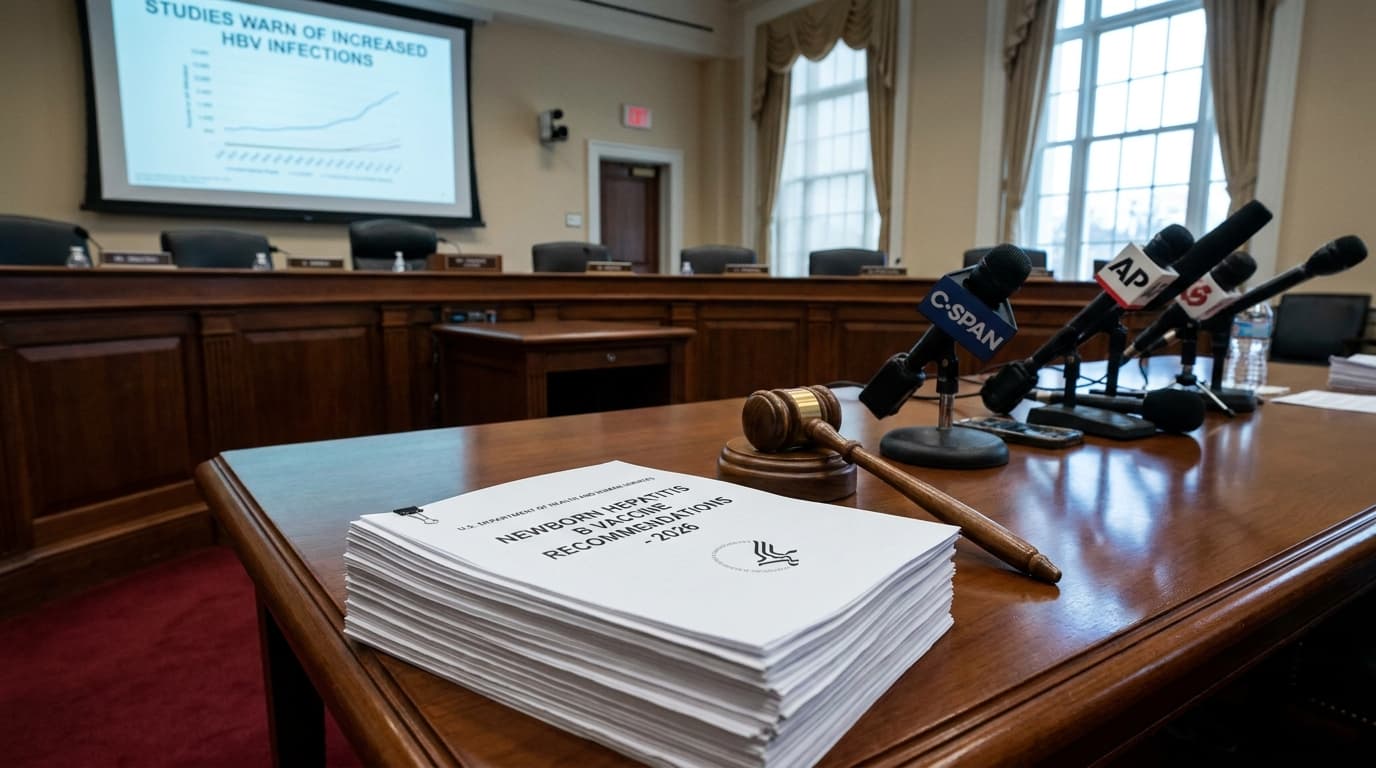
New U.S. Recommendation on Hepatitis B Vaccine Could Have Dire Consequences, Studies Warn

Vaccination policy changes in the U.S. concerning hepatitis B immunization for newborns have sparked concern based on research projecting serious consequences. These findings highlight the potential impact on public health and raise questions about the future management of hepatitis B prevention strategies.
Introduction
The hepatitis B virus (HBV) remains a significant public health challenge globally and nationally, with newborn vaccination considered a cornerstone of prevention. Recent U.S. policy has shifted recommendations regarding hepatitis B vaccination in newborns, prompting researchers to project the outcomes of such changes on public health.
Background on Hepatitis B Vaccination
Hepatitis B is a viral infection that attacks the liver and can cause both acute and chronic disease. The widespread adoption of the hepatitis B vaccine, particularly administering the vaccine to newborns, has dramatically reduced the incidence of this infection and its associated complications such as liver cirrhosis and hepatocellular carcinoma.
Vaccination in the newborn period has been pivotal because it interrupts vertical transmission from mother to child, which accounts for a large percentage of chronic HBV cases.
New Recommendation and Its Rationale
The U.S. recently issued a new guideline altering the routine hepatitis B vaccination for newborns. While the full specifics of the recommendation are yet to be publicized in detail, the essence suggests a possible delay or change in universal newborn vaccination timing or targeting.
This revision appears influenced by risk stratification approaches, aiming to focus on high-risk populations rather than universal vaccination of all newborns. The rationale likely includes considerations about vaccine resource allocation and epidemiological changes but has stirred substantial debate in the medical community.
Study Projections on Consequences
Multiple studies have engaged in modeling the impact of these new recommendations. These projections uniformly suggest that the proposed changes could lead to a reversal in the progress made over decades in curtailing HBV infections among infants and young populations.
Among the projected consequences:
-
Increased Incidence of HBV Infections: Delays or omissions in newborn vaccination could result in more infants acquiring HBV from infected mothers during or shortly after birth.
-
Higher Burden of Chronic Hepatitis B: Early-life HBV infections are more likely to progress to chronic disease, increasing the long-term healthcare burden.
-
Rising Rates of Liver-Related Complications: This would translate eventually into increased hepatocellular carcinoma and liver failure cases, exerting greater strain on healthcare systems.
-
Potential Public Health Setbacks: The reduction in vaccinating newborns could reduce herd immunity and increase transmission chains, undermining progress in HBV control.
Stakeholder Implications
For Public Health Authorities
Health agencies must carefully reconsider the ramifications of altering vaccine schedules for infants. The concerns raised by research outcomes suggest that broad vaccination remains essential for HBV control.
For Healthcare Providers
Providers may face increased demands for education and monitoring of infants potentially exposed to HBV without prophylactic vaccination. They will also need to advocate for appropriate counseling for expectant mothers.
For Parents and Caregivers
Understanding the importance of hepatitis B vaccination in the newborn period is critical. Changes in recommendations may bewilder caregivers, emphasizing the need for clear guidance and support from pediatricians and public health officials.
For Payers and Insurers
A potential increase in chronic HBV cases could impact long-term healthcare costs, underwriting, and resource allocation.
Scientific and Ethical Considerations
The cautious balance between targeted vaccination strategies and universal immunization raises ethical questions around equity and preventive care. Selective vaccination risks missing vulnerable individuals and exacerbating health disparities.
Scientific models emphasize the broader protective effect of universal vaccination, not only for the individual child but for community health overall.
Conclusion
The changed U.S. policy on hepatitis B vaccination for newborns, based on new recommendations, is projected by multiple studies to cause detrimental health outcomes, reversing decades of progress. As this situation evolves, ongoing surveillance and open dialogue among policymakers, healthcare practitioners, and communities remain crucial. Maintaining strong vaccination programs for newborns continues to be a fundamental strategy against hepatitis B.
For more detailed insights and updates, visit the primary source: STAT News.
Join the BioIntel newsletter
Get curated biotech intelligence across AI, industry, innovation, investment, medtech, and policy delivered to your inbox.