Cyclospora Outbreak Linked to Lettuce at Taco Bell: A Public Health Analysis

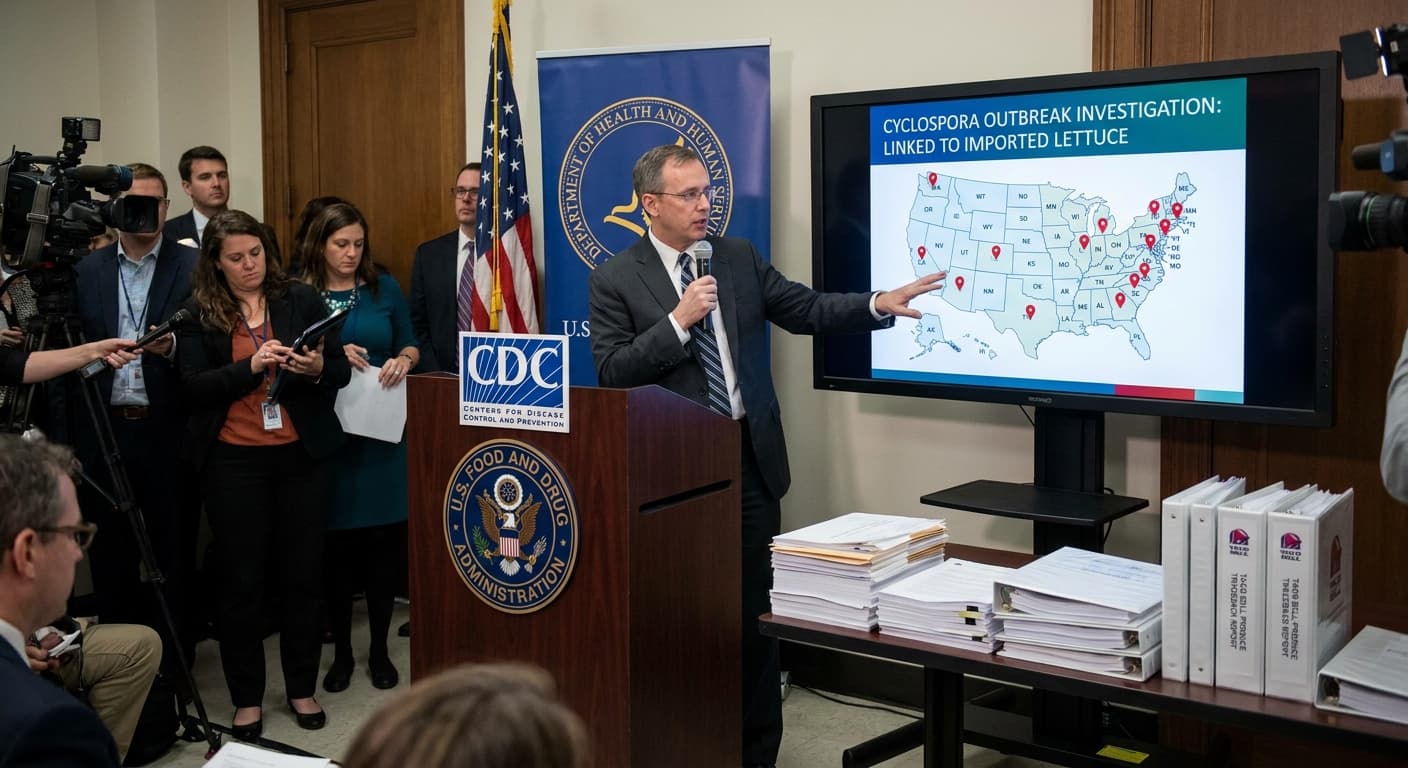
An outbreak of the parasite cyclospora, leading to gastrointestinal illnesses across five states, has been definitively linked to lettuce sourced from Mexico and served at Taco Bell locations. The incident amplifies calls for stricter produce regulations and improved multinational food safety systems.
Introduction
In recent weeks, health authorities have responded to an outbreak of cyclospora, a diarrheal illness caused by a microscopic parasite, that has affected consumers across several U.S. states. The epicenter of concern: lettuce used in menu items at Taco Bell, sourced from farms in Mexico. Produce-borne outbreaks are not new in American public health, but repeated incidents involving international supply chains, fast food franchises, and vulnerable populations highlight persistent challenges in regulation, communication, and disease prevention. This analysis examines the latest outbreak—its source, health implications, regulatory context, and broader food safety lessons.
What Is Cyclospora, and Why Is It Dangerous?
Cyclospora cayetanensis is a protozoan parasite that can cause acute, sometimes severe gastrointestinal illness. Infection, called cyclosporiasis, typically occurs after consumption of contaminated food or water. Symptoms include diarrhea, stomach cramps, nausea, and appetite loss. While most otherwise healthy individuals recover without long-term harm, the illness can be prolonged or serious in young children, the elderly, and immunocompromised individuals. Notably, the infection is not contagious from person to person. Outbreaks often stem from contaminated produce, especially leafy greens, herbs, and berries, which are grown, harvested, and distributed through complex, often international networks.
Details of the Current Outbreak
According to health officials, lettuce grown in Mexico and supplied to Taco Bell outlets in at least five states has been confirmed as a vector for cyclospora. Many affected individuals reported eating at Taco Bell locations before falling ill, prompting local and federal agencies to collaborate on an outbreak investigation. Epidemiological tracking, testing of patient samples, and trace-back analysis of lettuce distribution revealed the geographic and supply chain links pointing to the Mexican-grown product.
While the exact number of illnesses is still emerging, officials emphasize that the disease’s incubation period and mild symptoms in some individuals likely mean true case numbers are underreported. In recent years, summer outbreaks of cyclospora have become recurrent in the U.S., emphasizing vulnerabilities in the fresh produce pipeline. Lettuce, with its high water content and delicate structure, is challenging to clean and disinfect, making it especially prone to harboring pathogens.
The Cross-Border Supply Chain Challenge
As with many modern foodborne outbreaks, the cyclospora incident at Taco Bell is emblematic of the globalized and interconnected food supply. U.S. foodservice companies and retailers routinely import enormous volumes of fresh produce from Mexico and Central America, where climate and labor costs make year-round cultivation feasible. While trade bolsters food variety and affordability, it also complicates oversight. U.S. authorities must rely on a patchwork of inspections, certifications, and voluntary standards to monitor conditions on foreign farms, as well as the integrity of cross-border logistics.
This complexity means contamination can occur at any point: irrigation water tainted by sewage, unhygienic harvest practices, improper warehousing, or shipping delays. When lapses occur, the result is often rapid, widespread illness, as contaminated produce is distributed widely before anyone is aware of the problem. By the time illnesses are detected and traced, the implicated batches may have long since left shelves or restaurant supply rooms, creating challenges for effective recalls and consumer warnings.
Regulatory Oversight: Gaps and Opportunities
Responsibility for produce safety in the U.S. is shared across multiple agencies, including the Food and Drug Administration (FDA), the Centers for Disease Control and Prevention (CDC), and state health departments. However, complexities abound. The FDA is tasked with overseeing imported food safety but faces resource and jurisdictional constraints relative to the scale of imports. The Food Safety Modernization Act (FSMA), signed in 2011, mandated enhanced standards, increased inspections, and mandates for risk-based preventive controls. Still, implementing these standards—especially across borders—remains an ongoing challenge.
In this outbreak, official trace-back to a specific farm, shipment, or processing plant is critical to understanding root causes and preventing future incidents. Yet, in a system with multiple hand-offs and inconsistent record-keeping, such granular insight can be slow to achieve. Moreover, the public reporting of outbreaks—critical for consumer awareness—must be balanced with avoiding undue panic or reputational damage to businesses when precise details are not yet established.
The Fast Food Vector: Systemic Risks and Unique Challenges
Fast food franchises like Taco Bell operate on an enormous scale, often contracting with large processors and distributors to ensure steady supply of vegetables for their standardized menus. The upside is economic efficiency and consistency; the downside is vulnerability to systemic failures. When a problem arises at any link in the supply chain, a single contaminated ingredient can reach hundreds or thousands of locations almost simultaneously.
The industry has responded in recent years with a variety of food safety assurances—enhanced supplier standards, testing of incoming shipments, and supply chain audits. Yet, as this outbreak shows, risks remain inherent. Opening and inspecting every head of lettuce is not practical; thus, prevention at the farm, proper washing, and handling in transit and at the restaurant level are the primary defenses against contamination.
Health and Social Implications
Cyclospora infections, while rarely fatal, can be debilitating, interrupting work, school, and daily activities for weeks. Outbreaks of foodborne illness fuel public distrust in large-scale food production and undermine nutritional guidance to increase consumption of fruits and vegetables. Such events also illustrate persistent inequities: lower-income consumers who rely on fast food for affordability and convenience may be disproportionately exposed to these risks.
Further, these outbreaks prompt broader questions about the trade-offs of industrialized food systems. Large-scale processing and distribution lower costs but can amplify the impact of a single lapse in safety. The vertical integration of food supply chains, while facilitating rapid response when an outbreak is detected, also creates the risk that failures affect wide segments of the U.S. population.
Regulatory and Industry Response
As the investigation into the Taco Bell cyclospora outbreak continues, both governmental and industry stakeholders are likely to accelerate efforts to enforce food safety standards. The traceback process—identifying the exact farm or production lot responsible—will be a priority. The FDA is likely to collaborate with Mexican authorities, potentially highlighting gaps in infrastructure or compliance that require remediation.
For Taco Bell and its suppliers, the outbreak will almost certainly result in reviews of food safety contracts, audits of supplier farms, and potential compensation for affected individuals. For the broader foodservice industry, these events are reminders of the high stakes and reputational risks associated with produce sourcing.
Lessons for Consumers and Policymakers
While regulatory changes are slow, individual consumers can take some precautions. Washing lettuce at home, while helpful, cannot remove all pathogens. Awareness of recalls, outbreak alerts, and sourcing information provided at restaurants or groceries matters. Policymakers, meanwhile, face the ongoing challenge of balancing trade, consumer choice, and stringent food safety enforcement.
Improvements could include expanded funding for FDA inspections, increased international collaboration, and adoption of validated food safety technologies such as produce irradiation, targeted treatments in packing facilities, and enhanced water monitoring at farms. Additionally, stringent recordkeeping throughout the supply chain could accelerate investigative and recall efforts.
Conclusion
The cyclospora outbreak tied to Taco Bell lettuce is far from an isolated event, but its recurrence underscores the persistent public health risk associated with internationally sourced fresh produce. The incident illuminates the need for robust standards, rapid traceback capabilities, and the strengthening of cross-border food safety agreements. For the millions who depend on fast, affordable meals, and for the broader public health ecosystem, minimizing the risks associated with produce-borne illness must remain a priority.
Join the BioIntel newsletter
Get curated biotech intelligence across AI, industry, innovation, investment, medtech, and policy delivered to your inbox.