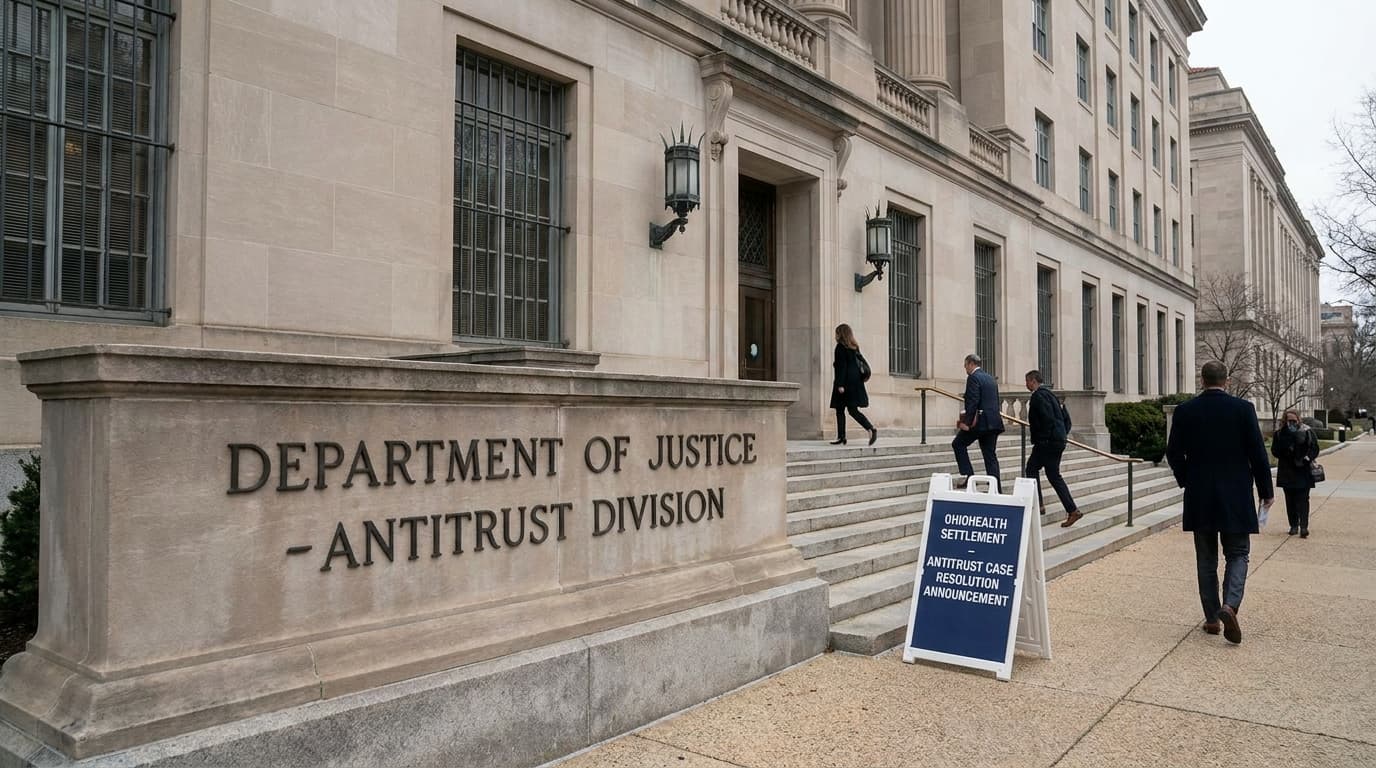
DOJ’s Swift Win in OhioHealth Antitrust Case: Lessons for Hospital Contracts Nationwide

In a significant regulatory development, the Department of Justice secured a swift settlement in its antitrust case against OhioHealth. This outcome is sending ripples across the healthcare landscape, urging other hospitals and large health systems to reassess their contracting strategies and ensure compliance with antitrust laws.
In a pivotal moment for regulatory enforcement in the U.S. healthcare sector, the Department of Justice (DOJ) recently achieved a rapid settlement in the highly publicized OhioHealth antitrust case. The speed and decisiveness of this outcome have been described as a major wake-up call for hospitals and large health systems across the country, as legal experts urge a widespread review of contractual practices that may now be prone to regulatory scrutiny. The OhioHealth settlement sets a critical precedent, and its implications echo far beyond the borders of the state, prompting a national discussion on competitive practices, hospital consolidation, and fair patient access.
Overview of the OhioHealth Antitrust Case
Antitrust regulation in the healthcare industry is designed to promote fair competition, prevent monopolistic practices, and ensure that patients have robust choices when seeking medical care. The DOJ, joined by the Ohio Attorney General, filed a complaint alleging that certain OhioHealth contracting tactics constituted anti-competitive behavior. Specifically, regulators noted provisions that limited competition and potentially harmed both patients and rival healthcare providers in the region.
Following the complaint, the DOJ swiftly negotiated a settlement with OhioHealth. Legal analysts have cited the rapid resolution—unusual for cases of this kind—as a clear indication of both the strength of the government’s claims and the evolving federal strategy toward more assertive antitrust enforcement in healthcare.
Key Takeaways for Hospital Leaders
1. Accelerated Enforcement
The pace at which the DOJ moved is raising eyebrows across the industry. Traditionally, antitrust investigations and settlements can drag on for months or even years, often involving protracted discovery periods and legal wrangling. In the OhioHealth matter, the expedited timeline demonstrates that the DOJ is prioritizing swift action, leaving hospitals little time to respond or remediate before enforcement arrives. Legal experts warn that organizations with questionable contracting practices should act now, before regulators come knocking.
2. Contract Provisions Under the Microscope
Contentious contract clauses—especially those seeking to restrict referral patterns, enforce exclusivity, or limit competitors' ability to access physicians or facilities—are drawing increasing attention from both state and federal regulators. The OhioHealth case highlights the risk of including such clauses, which may be interpreted as efforts to stifle market competition. Hospitals across the U.S., regardless of size or region, are being advised to meticulously audit their contract templates and current agreements for similar provisions.
3. Implications for Hospital-Physician Relationships
Hospital-physician contracts, group purchasing arrangements, and network formation arrangements are all likely to face renewed scrutiny. The settlement underscores that the DOJ is not limiting its gaze to mega-mergers or cross-market consolidations—routine contract language in everyday business dealings is now fair game for enforcement action.
4. National Ripple Effect
Although centering on an Ohio health system, the outcome sets a broader precedent for health systems nationwide. Regulatory lawyers expect many institutions to proactively revisit their templates, policies, and training on antitrust compliance, anticipating increased investigations and more aggressive settlement demands from regulators.
Context: Antitrust Enforcement in a Consolidating Industry
The U.S. hospital sector has experienced a decades-long trend of consolidation, with mergers and acquisitions producing regional “super-systems” and reducing the number of independent community hospitals. Proponents argue that these mergers create efficiencies of scale and improve care coordination, but critics warn the loss of local competition can drive up costs and limit patient choice.
Federal agencies, including the DOJ and Federal Trade Commission (FTC), have recently signaled a stronger resolve to rein in practices that may stifle competition. The OhioHealth settlement is seen by some as a harbinger of a new era—one in which even subtle or “standard” contract terms could become legal liabilities, especially in geographically concentrated markets.
The Role of Hospital Compliance Teams
Given the new regulatory climate, compliance officers, contract managers, and legal teams are being urged to lead comprehensive internal reviews. This includes:
- Conducting risk assessments of all existing contracts and policies
- Training leadership and staff on antitrust basics and “red flag” clauses
- Engaging outside counsel where necessary for a neutral, expert perspective
- Developing protocols for ongoing review as policies and enforcement guidance evolve
What Comes Next?
The speed and assertiveness of the DOJ’s action against OhioHealth reflect a shift in expectations for how hospitals approach regulatory compliance. As regulators adopt a more proactive posture, the industry will face more frequent and unpredictable scrutiny. Healthcare executives must adapt rapidly to changing legal norms, balancing business objectives with the need for rigorous compliance.
Legal experts emphasize that what once was considered “routine” in health system contracts may quickly become a source of legal trouble. Organizational agility, robust compliance frameworks, and a culture of transparency are becoming competitive imperatives in the new era of healthcare delivery.
Broader Policy Implications and Patient Impact
While much of the focus remains on contracts and institutional practices, underlying these issues is the broader question of patient welfare. Antitrust enforcement is not about limiting business expansion per se, but rather ensuring that access, affordability, and choice are upheld. As the government ramps up oversight, hospitals must ensure that business growth aligns with the public’s interest in open, competitive, and high-quality care.
Expert Perspectives
National commentators are quick to note that this case’s relevance will echo across a variety of healthcare entities. Health systems, provider groups, academic medical centers, and other stakeholders will all need to closely examine their relationships and operational practices, especially as the DOJ and FTC continue their joint efforts to enforce at both the federal and state levels.
Conclusion
The DOJ’s swift antitrust settlement with OhioHealth marks a pivotal shift. Hospitals and health systems across the U.S. must treat this outcome as a signal for immediate, proactive assessment of contract practices, putting compliance, transparency, and ethical conduct at the forefront of their operations. The evolving regulatory environment now demands continuous vigilance and adaptation from industry leaders, or they may risk facing similar enforcement actions in the near future.
Source: STAT News
Join the BioIntel newsletter
Get curated biotech intelligence across AI, industry, innovation, investment, medtech, and policy delivered to your inbox.