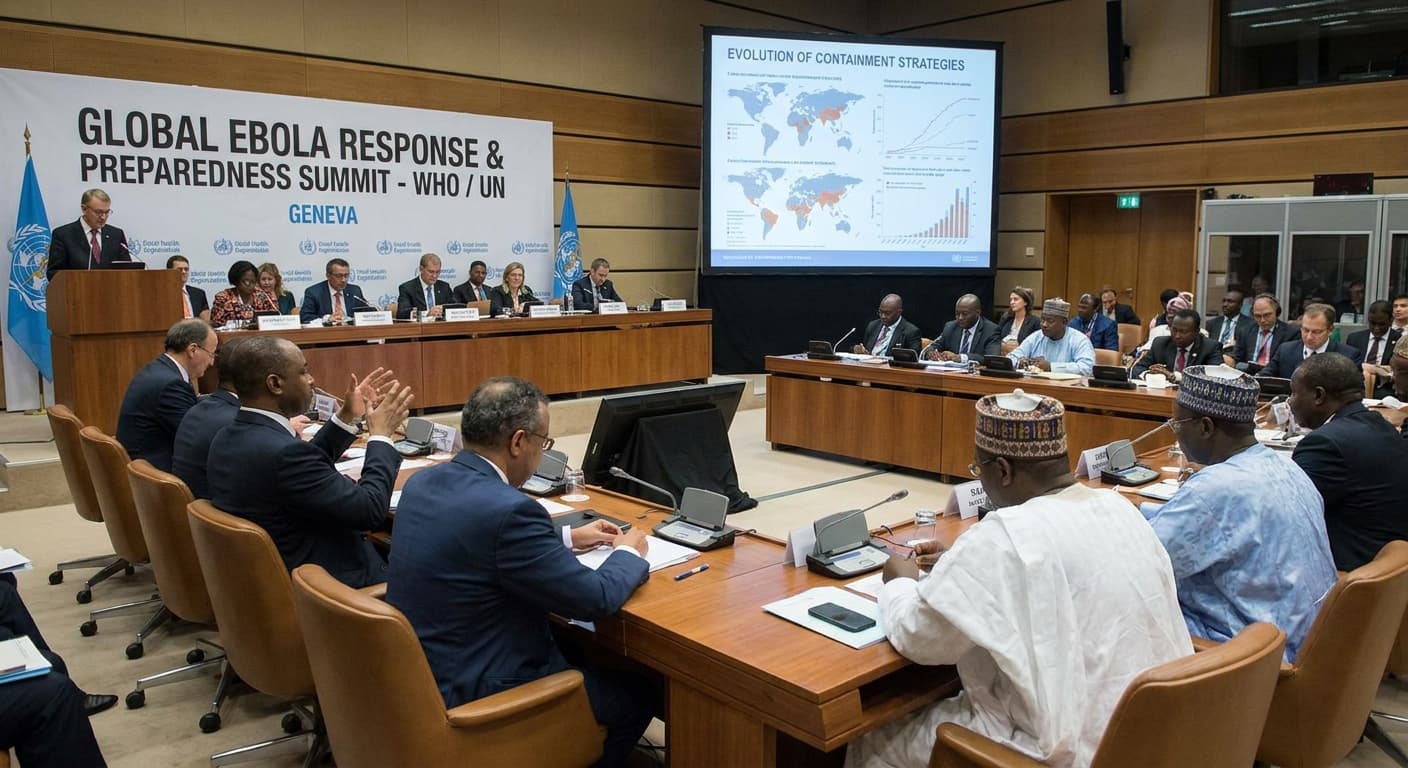
From Outbreak to Evolution: What’s Changed Since the Last Major Ebola Crisis?

Since the last major Ebola outbreak, substantial shifts have occurred in how governments, international agencies, and health systems approach disease containment, surveillance, and data use. This article delves into the lessons learned, the challenges persisting, and the changes defining our current response to Ebola.
The global health community’s remembrance of the last major Ebola outbreak offers a sobering reminder of both progress and enduring challenges in epidemic response. Since the devastating outbreaks that startled the world less than a decade ago, public health authorities, governments, and technological innovators have been working relentlessly to improve readiness, intervention strategies, and coordination when new threats emerge.
This article investigates how the landscape of the Ebola response has changed, analyzing recent developments in health data, policy, clinical practice, and global preparedness as the world continues to confront Ebola’s persistent danger.
The Backdrop: What Prompted Change?
The Ebola outbreaks of the 2010s, particularly 2014–2016 in West Africa, exposed critical weaknesses in early-warning systems, cross-border coordination, global funding pipelines, and communications between local and international health actors. Epidemics led to thousands of deaths, widespread fear, economic disruption, and persistent health system strain. This historic crisis galvanized not only the scientific community but also policy makers, who were determined to close the gaps that allowed the virus to wreak havoc.
Major Policy and Protocol Changes
Improved Surveillance and Real-Time Data Sharing
A key area of transformation has been in global disease surveillance. Lessons learned from the last outbreak resulted in significant investments in:
- Digital Surveillance Networks: Increased capacity for real-time disease monitoring and international data sharing allows earlier detection and more responsive deployments.
- Wearable and Mobile Technology: Newer approaches experiment with wearables or digital tracking systems to monitor at-risk populations or responders in the field, promising a level of granularity and immediacy that was unavailable previously.
Although the rollout of these innovations creates complex ethical, privacy, and operational questions, their integration marks a step-change in epidemic management for many health systems.
Policy Coordination: From Local to Global
During previous crises, lack of policy coordination—between governments, international agencies, and communities—often slowed response or led to conflicting interventions. Recent years have emphasized the creation and maintenance of:
- Incident Command Centers at regional and international levels, ensuring structured response hierarchies.
- Pre-established Financing Mechanisms for rapid mobilization of assets and responders.
- Standardized Risk Communication Protocols to keep communities informed and engaged.
These changes foster greater clarity in roles and responsibilities, potentially minimizing confusion during an acute outbreak.
International Collaboration and “Playbook” Development
International agencies, including the World Health Organization and various NGOs, have invested in developing detailed playbooks for rapid response. These documents codify best practices for everything from personal protective equipment (PPE) protocols to community engagement, reducing the time needed to scale up responses.
Data, Technology, and the Clinic: New Opportunities
Big Data in Outbreak Management
Advanced analytics and machine learning are playing larger roles in:
- Predicting hotspots of infection
- Optimizing allocation of supplies and human resources
- Guiding the design and prioritization of clinical trials for therapeutics and vaccines
There is also growing movement to bring data from wearables or mobile devices into the clinical workflow, closing the loop between the field and the clinic. While this remains an “inevitable development,” integration hurdles persist—privacy regulation, interoperability, and data reliability among them.
Clinical Protocols and Vaccine Deployment
The experience of recent years has led to:
- Faster ethical review and regulatory approval for clinical interventions
- Prepositioning of vaccine and treatment stockpiles
- Increased emphasis on randomized trials that can begin as soon as outbreaks are detected
Persistent and Emerging Challenges
Despite the clear progress, the response to Ebola is far from perfected. Several pressing issues continue:
- Equity in Access: Outbreaks disproportionately affect less-resourced settings, where barriers to care, trust, and infrastructure limit rapid response.
- Sustainability of Funding: While crisis inflates budgets, maintaining vigilance and preparedness over longer, quieter stretches is notoriously difficult.
- Systemic Health Gaps: Community health workers and frontline personnel still often labor with insufficient pay, high risk, and emotional strain.
- Fatigue and Complacency: After years without crisis, there is a risk of sliding back into complacency—a critical vulnerability.
Broader Health Policy Impacts
The lessons learned from Ebola have importantly shaped broader infectious disease policy. Procedures—such as transparent data reporting, stronger international partnerships, and rapid innovation on the frontlines—have begun to influence responses to pathogens ranging from influenza to COVID-related challenges. There is also heightened recognition of the connection between biosurveillance, climate change, and zoonotic spillover risks.
The Road Forward: Outlook and Recommendations
Health leaders emphasize the need for:
- Sustained political and financial commitment beyond individual outbreaks
- Empowerment and support for local community health staff
- Streamlined data-sharing agreements that balance privacy with public good
- Broader public engagement and risk literacy
These steps may not eliminate the threat of Ebola, but they are essential to containing future epidemics more quickly and justly.
Conclusion
The world’s approach to Ebola outbreaks has changed substantially since the last major crisis, yet each new occurrence tests the efficacy of new systems and exposes old and new flaws. From suppressed federal reports to the inevitable development of clinical-grade wearable data, ongoing adaptation is both a challenge and a necessity. Ultimately, the future of Ebola response will hinge not just on technologies or high-level policy, but on persistent, collective efforts at every level of the public health ecosystem.
Join the BioIntel newsletter
Get curated biotech intelligence across AI, industry, innovation, investment, medtech, and policy delivered to your inbox.