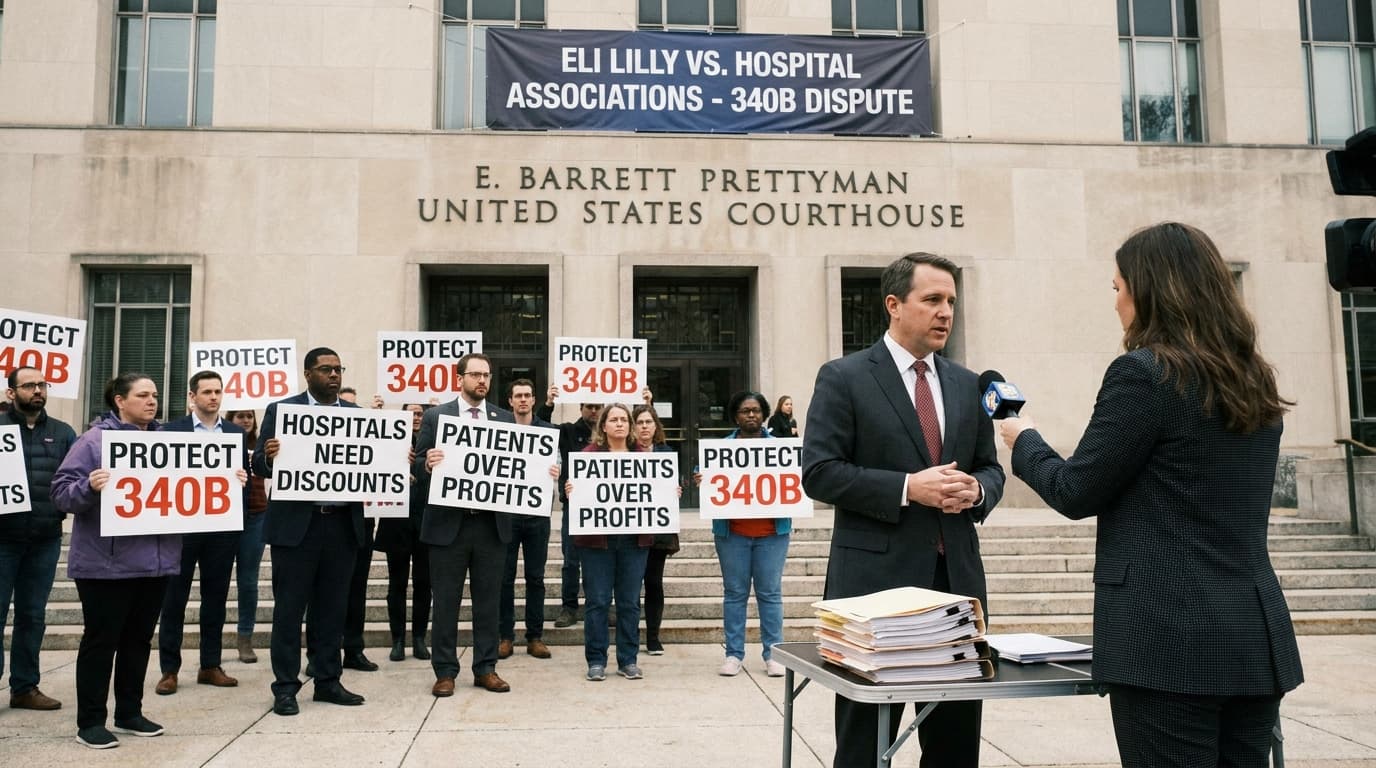
Hospitals Push Back as Eli Lilly Halts 340B Drug Discounts Over Claims Data Dispute

The tension between pharmaceutical giant Eli Lilly and U.S. hospitals has reached a new peak as the company enforces stricter claims data requirements for 340B drug discounts. Health systems, already under pressure, argue the move could undermine the very fabric of a program designed to serve some of the nation's most vulnerable patients.
In a new development that has sent ripples throughout the U.S. healthcare sector, Eli Lilly, one of the nation’s largest pharmaceutical manufacturers, has begun withholding 340B drug discounts from hospitals that do not comply with its demand for claims data submission. Hospital groups are responding with alarm, calling the policy not just burdensome but unlawful, setting the stage for a protracted legal and regulatory fight that could reshape access to affordable medicines for safety-net patients across the country.
Understanding the 340B Drug Discount Program
The 340B Drug Pricing Program, created in 1992, plays an essential role in the American healthcare system by requiring pharmaceutical companies to provide outpatient drugs to eligible healthcare organizations—most of them serving low-income and rural communities—at significantly reduced prices. These savings are intended to stretch scarce resources, enabling hospitals and clinics to serve more patients or provide more comprehensive services to those who need them most.
Over time, the 340B program has become deeply critical—for both the healthcare providers that rely on its cost-cutting measures and for the millions of Americans who might otherwise go without necessary medicines. Any disruption to program access can have outsized effects on patients who are unable to afford prescription drugs through standard channels.
Eli Lilly’s New Policy: A Fresh Controversy
Eli Lilly’s decision to withhold 340B discounts stems from a growing debate over the integrity of the program and how it should be policed. Citing the need to combat duplicate discounts (where the same prescription might receive multiple price breaks) and to ensure program integrity, Lilly and other pharmaceutical manufacturers have increasingly asked covered entities—especially hospitals that use contract pharmacies—to share comprehensive claims-level data.
For some time, many hospitals pushed back, viewing such requests as administratively onerous and outside the scope of requirements set by Congress or the federal Health Resources and Services Administration (HRSA), which oversees the program. However, on June 23, 2026, Eli Lilly made good on its threat to halt discounts, forcing a reckoning between drug manufacturers and the broader hospital community.
Hospital Groups Push Back: An Unlawful Policy?
The response from hospital associations has been vociferous. Industry groups argue that Eli Lilly, in unilaterally redefining compliance requirements and withholding legally mandated discounts, is overstepping its authority: only Congress or federal agencies, not private companies, can change the rules for federal programs like 340B.
Hospitals warn that if other pharmaceutical companies follow Lilly’s lead, the already beleaguered public safety-net infrastructure could see significant erosion, with fewer discounted drugs available, fewer services offered, and greater numbers of patients falling through the cracks. Legal filings, advocacy campaigns, and public statements have all framed the move as a challenge to both the letter and the spirit of the federal law underpinning the 340B program.
The Broader Regulatory Debate: What Powers Do Pharma Companies Have?
This confrontation throws into relief longstanding ambiguities and tensions in the governance of the 340B program. While the HRSA sets certain ground rules, critics argue that the agency’s enforcement powers are limited and that pharmaceutical companies have used this regulatory gray area to push for policies and requirements that incrementally advantage their own interests.
Eli Lilly and other industry players say that claims-level data is crucial to prevent fraud and abuse, particularly in the context of large hospital systems with sprawling networks of contract pharmacies. Hospitals counter that, in practice, gathering and reporting this data requires investment in IT infrastructure and staff, diverting resources away from direct patient care. There is also concern about patient privacy and the administrative burden on smaller, rural, or community hospitals with limited budgets.
Economic and Patient Impact: At-Risk Communities in the Crosshairs
The consequences of Eli Lilly’s policy are not just theoretical. Many safety-net hospitals rely on the 340B savings not simply to dispense discounted drugs but also to fund broader programs, including uncompensated care, community outreach, and wraparound social services. For some institutions, particularly in rural or underserved urban areas, the loss of 340B discounts could lead to budget shortfalls, service reductions, or—in the worst scenarios—facility closures.
Patient advocates caution that those most at risk are individuals with chronic conditions, rare diseases, and complex medication needs. These are the very people the 340B program was designed to help. Without discounts, adherence to therapy may decrease, and health outcomes could sharply decline, raising wider public health concerns.
Legal and Policy Responses: What’s Next?
Legal experts suggest that the immediate future promises a flurry of litigation and lobbying. Courts may need to determine whether drug manufacturers can impose data submission requirements beyond what the HRSA has codified, and whether the agency itself must clarify, revise, or more aggressively enforce its own rules.
Meanwhile, Congress has shown renewed interest in the fate of the 340B program, with lawmakers from both parties calling hearings, submitting open letters, and proposing bills that could either curtail or codify the powers of pharmaceutical companies versus covered entities. The outcome may depend on the delicate balance of interests between industry, providers, and patients—all with divergent, often competing, priorities.
Perspectives from Stakeholders: Hospitals, Pharma, and Policymakers
Hospital leaders have drawn attention to the lack of transparency and the abruptness of policy changes, arguing that Lilly’s demands are emblematic of a broader trend wherein profit motives threaten public health goals. They also assert that hospitals have few options: accept the new requirements and absorb compliance costs, or risk losing essential discounts altogether.
Pharmaceutical manufacturers are equally adamant that more detailed data are necessary to prevent program abuse and maximize its effectiveness. The 340B program has, they argue, grown to encompass a much broader array of entities and contract pharmacy relationships than originally intended, sometimes distorting both market dynamics and patient care.
Policymakers, for their part, are caught in the middle, needing to uphold the intent of the 340B law while also responding to industry demands for oversight and accountability. The debate is complicated by the outsized role that pharma companies play in campaign financing and lobbying, as well as the ongoing struggle to reign in drug costs across the board.
Conclusion: A Program at the Crossroads
The fallout over Eli Lilly’s new 340B discount policy is more than just a contractual dust-up between hospitals and a leading pharmaceutical company. It is emblematic of broader, more existential questions about the interplay between private industry, public policy, and the fundamental right to access affordable medicines in the United States.
Whether Lilly’s gambit becomes a new industry norm or is rebuffed via litigation and regulation, the dispute’s outcome is likely to reverberate through hospital boardrooms, congressional hearings, and—most importantly—the clinics and pharmacies that serve America’s most vulnerable populations. As stakeholders brace for further legal and legislative battles, the future of the 340B program remains uncertain, with patients and providers alike left waiting for clarity and consistency in the nation’s approach to drug access and affordability.
Join the BioIntel newsletter
Get curated biotech intelligence across AI, industry, innovation, investment, medtech, and policy delivered to your inbox.