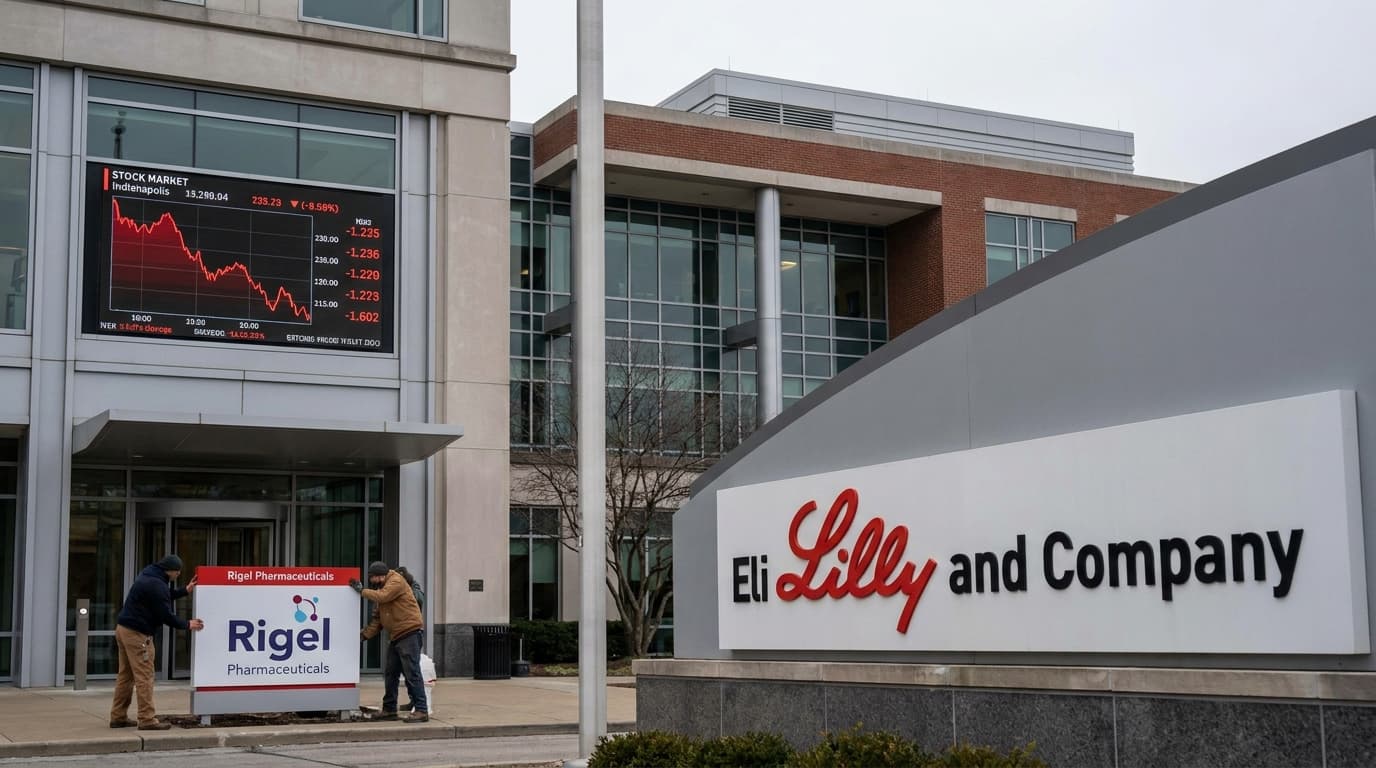
Eli Lilly Exits Rigel Alliance, Signaling Challenges in RIPK1 Drug Development

After partnering in early 2021 to develop RIPK1 blockers, Eli Lilly has disengaged from its alliance with Rigel Pharmaceuticals. This move follows Lilly's earlier withdrawal from one CNS-targeted program, highlighting the complexities and hurdles faced in advancing RIPK1 inhibitors. This post explores the implications of this development for the RIPK1 field and the broader pharmaceutical landscape.
Eli Lilly and Rigel Pharmaceuticals initially joined forces in February 2021 to develop a pair of receptor-interacting protein kinase 1 (RIPK1) inhibitors with the hope of addressing central nervous system (CNS) disorders. RIPK1 is an enzyme implicated in inflammation and cell death pathways, making it a promising target for a variety of neurodegenerative and inflammatory diseases. Early enthusiasm for RIPK1 blockers stemmed from their potential to modify disease progression rather than merely treating symptoms.
However, the road to successfully developing these inhibitors has proven more challenging than anticipated. In October of the previous year, Eli Lilly had already ceased development of one CNS-directed RIPK1 program. Now, the recent exit from its alliance with Rigel marks an additional setback, further contributing to what industry commentators are calling the "RIPK1 scrap heap."
This development raises questions about the scientific and clinical viability of RIPK1 targeting therapies. Drug development programs in complex CNS indications frequently face hurdles related to unclear mechanisms of action, difficulties in achieving therapeutic target engagement, and challenges in demonstrating clinical benefit in heterogeneous patient populations.
Eli Lilly's disengagement may reflect emerging data from preclinical or clinical studies that have cast doubt on the efficacy or safety profiles of these agents. Additionally, strategic portfolio considerations amid shifting industry priorities could have influenced Lilly’s decision to refocus resources elsewhere.
For Rigel Pharmaceuticals, the loss of a major pharma partner like Lilly could impact the advancement of these programs. Partnerships with large pharmaceutical companies often bring essential resources, expertise, and market access crucial for late-stage development and commercialization. The pipeline implications for Rigel now hinge on whether it can attract new collaborators or secure sufficient funding to progress these assets independently.
The broader RIPK1 inhibitor landscape faces a critical juncture. Other companies are exploring this target, but Lilly’s move emphasizes the inherent difficulties in translating promising biological mechanisms into approved therapies. This might prompt a re-evaluation of clinical trial designs, patient selection strategies, and biomarker development to better understand the therapeutic potential of RIPK1 blockade.
In summary, Eli Lilly’s exit from the Rigel alliance symbolizes the ongoing complexities of CNS drug development, particularly within novel target classes like RIPK1. It highlights the need for continued innovation and rigorous clinical assessment to overcome the significant scientific challenges that remain.
Join the BioIntel newsletter
Get curated biotech intelligence across AI, industry, innovation, investment, medtech, and policy delivered to your inbox.