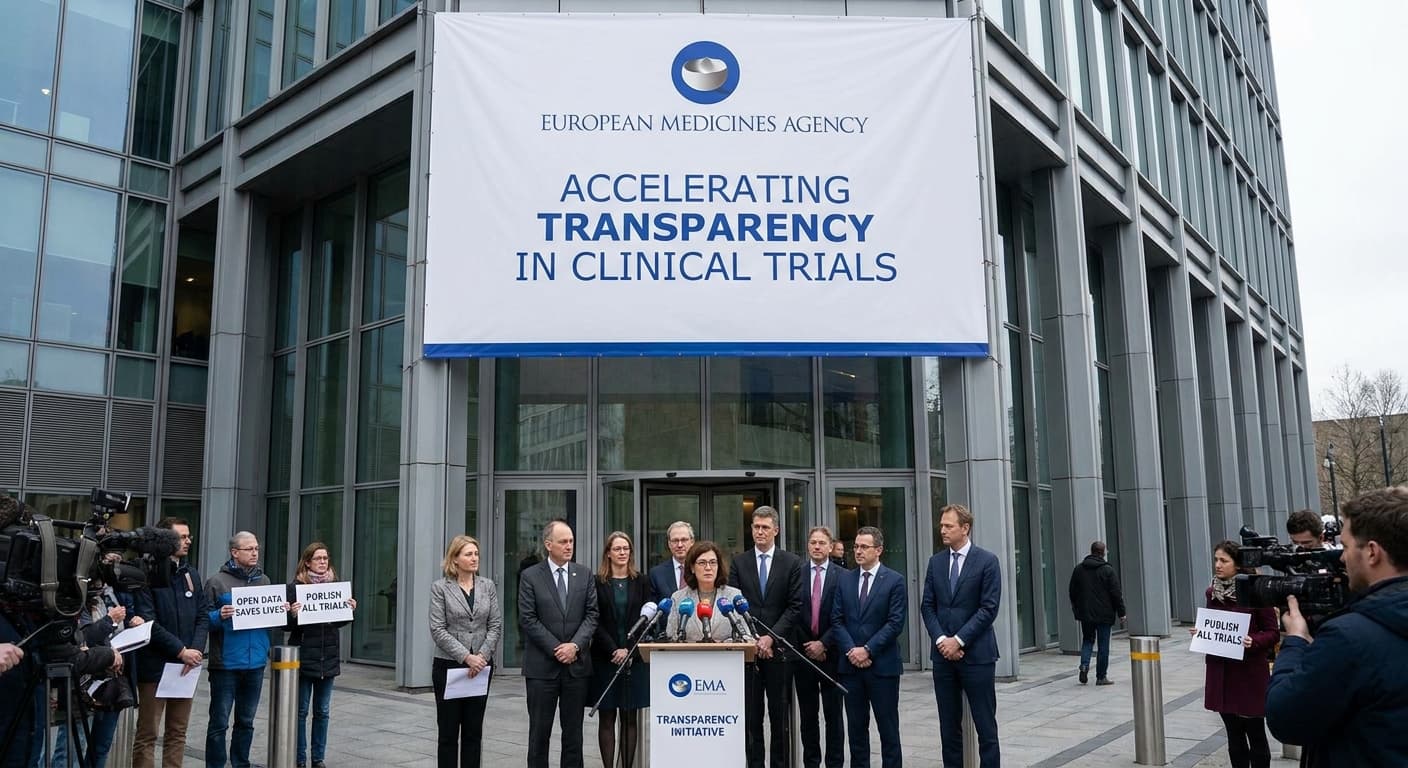
European Regulators Accelerate Transparency in Clinical Trial Reporting

European regulatory authorities have initiated unprecedented action to ensure that the results of clinical trials are publicly accessible, meeting both legal mandates and increasing societal expectations around research transparency. This development is seen by advocacy groups as a transformative moment for the continent’s biomedical sector, signaling new accountability for industry and academia alike.
Overview
The European Medicines Agency (EMA)—Europe's central regulator for medicines—has moved with rare urgency to shore up transparency in the releasing of clinical trial data. This direct response to long-standing calls from advocacy groups and the public for clear, open reporting of biomedical research outcomes could reshape the landscape of clinical trial oversight and public trust in the medical enterprise.
In recent years, pressure has increased on various regulatory agencies around the world to ensure that the data generated from clinical trials—whether positive, negative, or inconclusive—are made available to the public in a timely and comprehensive manner. While the European Union has had laws requiring the publication of trial results since 2014, enforcement has often lagged, leading to disparate rates of compliance. Now, the EMA’s latest actions signal a new seriousness about ensuring compliance and promoting radical transparency.
Background: The Push for Transparency
The scientific community, patient groups, and policymakers have long argued that timely and complete reporting of clinical trial results is essential to medicine’s integrity. Transparent reporting helps:
- Avoid duplication of research
- Prevent publication bias (where only positive results become public)
- Enable patients and clinicians to make more informed treatment decisions
- Allow for more accurate meta-analyses and systematic reviews
- Increase accountability in publicly funded research
Until recently, shortcomings in reporting compliance—meaning trial results were sometimes delayed, incomplete, or never made public—left critical information in the shadows. This issue persists at a global scale, with both industry sponsors and academic institutions frequently falling short of legal or ethical requirements regarding trial result disclosures.
EMA’s Recent Actions
The EMA’s recent steps—described by advocacy organizations as “rapid action”—are structured to close the persistent gaps in trial result disclosure. Some key aspects include:
- Systematic Monitoring: The agency has launched more robust surveillance of trial sponsors, tracking who is submitting results on time and flagging defaulters.
- Legal Enforcement: Failure to report as required may result in consequences for noncompliance, including administrative sanctions and negative reputational impacts for companies or research organizations.
- Public Communication: The EMA is making data on compliance public, subjecting sponsors to increased public scrutiny.
- Engagement with Stakeholders: Ongoing dialogue with advocacy groups, industry bodies, and researchers helps tailor implementation and address concerns as the new measures take root.
This shift distinguishes itself from previous efforts not only in its speed, but also its focus on persistent accountability.
Implications for Industry
For pharmaceutical and biotechnology companies operating within the European Union, these changes mean that transparency in clinical trial reporting can no longer be treated as an afterthought. Companies may need to revisit their internal processes for data collection and result submission, including:
- Streamlining Data Systems: Ensuring that trial data are captured, analyzed, and prepared for disclosure in real time or near real time.
- Upgrading Compliance Training: Training regulatory affairs and clinical operations teams on the new requirements and consequences of noncompliance.
- Coordination with CROs: Clinical Research Organizations (CROs) contracted to run trials must be fully aligned with updated transparency requirements.
- Reputational Management: Public reporting of compliance status means that sponsors not meeting expectations may face criticism from media, patients, and investor communities.
Academic medical centers—often major drivers of early-phase or investigator-initiated trials—are not exempt. University hospitals and research institutes, sometimes less resourced than major pharma outfits, may need additional support to strengthen their own transparency protocols.
The Role of Advocacy Groups
Patient advocacy organizations and independent watchdogs have played a critical role in pressuring the EMA and other regulators to enforce trial transparency. These groups maintain that access to all results—regardless of whether they point to success or failure—is vital for science and public health. Some have even developed scoring systems or public reports ranking institutions on their compliance, increasing the reputational incentives for transparency.
Notably, advocates have lauded the EMA’s actions as a “turning point.” Many hope this will not only catalyze change in Europe, but also provide a model for regulators in other jurisdictions, including the U.S. Food and Drug Administration (FDA) and agencies in Asia-Pacific regions.
Broader Global Context
Transparency concerns are far from uniquely European. In the United States and many other countries, laws and regulations require the registration of clinical trials and the reporting of results on public platforms, such as ClinicalTrials.gov. Despite this, compliance rates have historically varied widely, with many sponsors missing deadlines or omitting key data.
Recent U.S. media coverage and legal activism—including lawsuits against government agencies for insufficient enforcement—reflect the global resonance of this issue. The EMA’s rapid action will likely not only have direct effects within the EU, but may also increase international pressure on peer regulators to move faster.
Technical and Logistical Challenges
While the commitment to stronger enforcement is significant, practical challenges remain. These include:
- Data Harmonization: Reconciling differences in data formats and reporting requirements across different regulatory systems.
- Resource Constraints: Smaller companies and academic sponsors may struggle with the technical capacity required for rapid, consistent compliance.
- Data Privacy Considerations: Ensuring reporting requirements respect patient privacy and comply with regulations such as GDPR.
- Consistency of Implementation: Even within the EU, different member states have varying administrative capacities and interpretations of the law.
To address these, EMA has signaled increased willingness to work collaboratively with stakeholders, provide technical assistance, and periodically update guidance documents as necessary.
Potential Benefits for Patients and Science
For patients, increased transparency increases the likelihood that research priorities, policies, and therapy development are grounded in the best available evidence. It can deter the pursuit of therapies that, on balance, have been shown in negative or null-result studies to be ineffective or harmful.
For the scientific community, timely trial result disclosure enhances opportunities for data aggregation, meta-analysis, and the development of new hypotheses for future research. It also helps to ensure that resources are not wasted repeating unsuccessful lines of inquiry.
Next Steps and Future Prospects
The EMA’s efforts will be closely watched by governments, patient groups, and the pharmaceutical industry in the months ahead. Possible next steps include:
- Interface Upgrades: Improving the user-friendliness of trial registries.
- Automation: Deploying AI or other data science tools to monitor compliance and facilitate early warnings on lapses.
- Further Regulatory Collaboration: Seeking harmonization with other major regulators to reduce compliance burdens for sponsors operating in multiple jurisdictions.
Conclusion
The rapid action from the European Medicines Agency signifies a meaningful shift in how clinical trial transparency is viewed and enforced in the European context. While logistical and resource challenges remain, advocacy group optimism and a stated commitment from EMA suggest that the new transparency regime may mark a pivotal step in biomedical research accountability.
More broadly, as the global research enterprise faces increasing complexity and scrutiny, consistent, real-time disclosure of clinical trial results can be expected to play an ever-larger role in science, public health, and public trust in medicine.
Source: STAT+: European regulators take steps to bolster clinical trial transparency
Join the BioIntel newsletter
Get curated biotech intelligence across AI, industry, innovation, investment, medtech, and policy delivered to your inbox.