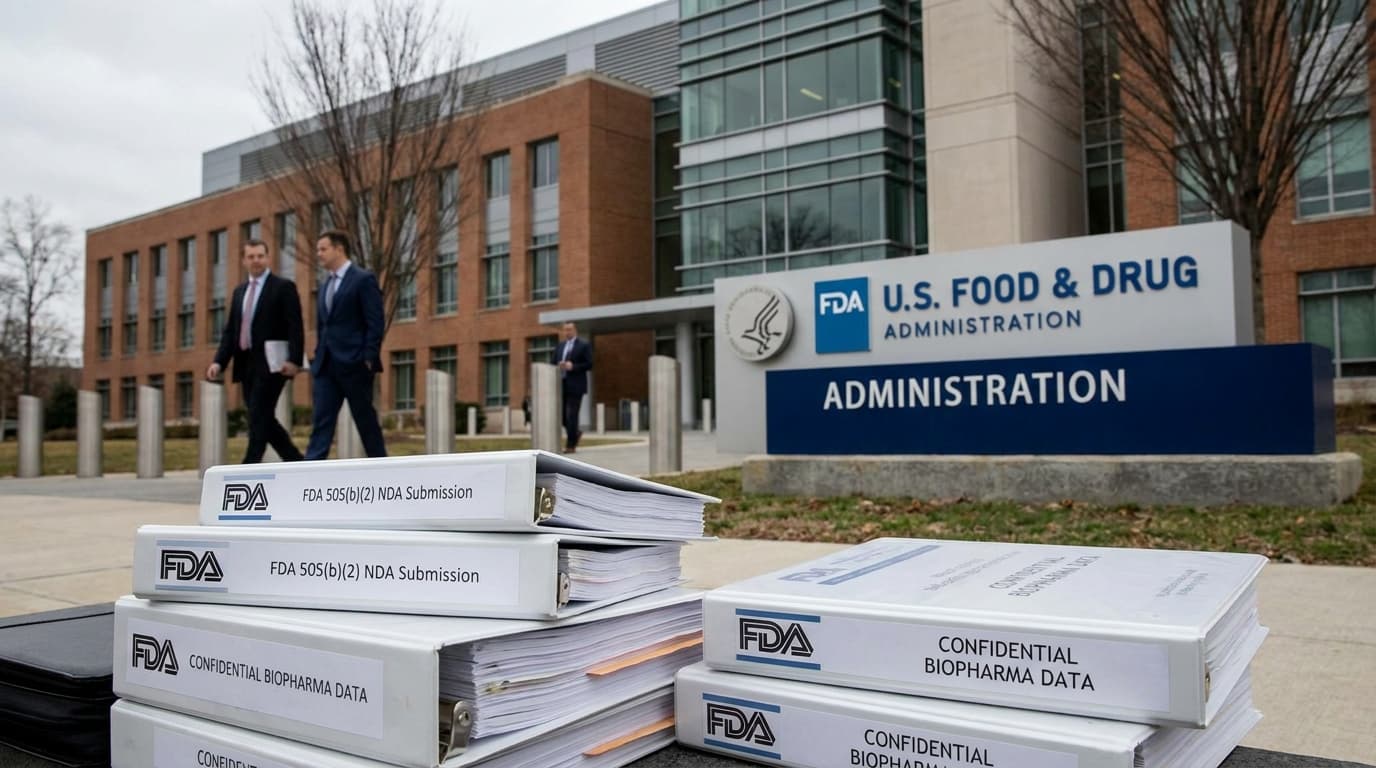
The FDA’s 505(b)(2) Pathway: A Powerful, Underused Driver of Biopharma Value

A closer examination of the FDA’s 505(b)(2) pathway reveals a regulatory mechanism that can accelerate innovation, reduce costs, and extend product lifecycles for the pharmaceutical industry. Yet, the potential of this approach is often underestimated, prompting experts to call for a renewed strategic focus from both established and emerging biopharma firms.
Introduction
In the complex and evolving landscape of pharmaceutical regulation in the United States, the FDA’s 505(b)(2) pathway has quietly emerged as a significant, albeit underappreciated, channel for value creation within the biopharma industry. This blog takes an in-depth look at the origins, mechanics, strategic potential, and untapped opportunities associated with the 505(b)(2) New Drug Application (NDA) route, drawing on fresh analysis and industry perspectives to illuminate why a renewed embrace of this pathway could materially shape future drug development and market success.
Understanding the 505(b)(2) Pathway: Regulatory Context and Fundamentals
At its core, the 505(b)(2) pathway represents a regulatory option distinct from the more established 505(b)(1) (the standard NDA process) and the 505(j) (the Abbreviated New Drug Application, or ANDA, for generics). The 505(b)(2) NDA was established by amendments to the Food, Drug, and Cosmetic Act. It allows sponsors to reference existing data on a previously approved product, be that published literature or the FDA’s own findings, enabling companies to propose modifications or new indications for drugs already on the market.
This partial reliance on prior data can yield substantial efficiencies: lower costs, faster timelines, and reduced risk. Critically, the regulatory flexibility of 505(b)(2) can incentivize a broad range of development programs—from drug reformulations and new delivery systems to new combinations and expanded indications on established active ingredients. Yet, despite these apparent advantages, the industry’s utilization of the pathway has often been tentative, with many firms failing to integrate its strategic potential fully into early portfolio decision-making.
Historical Development and Strategic Rationale
The rationale for the creation of the 505(b)(2) pathway was rooted in real-world pharmaceutical innovation. New drugs often build on prior molecular scaffolding, extend established therapies, or incorporate well-known safety and efficacy data. Lawmakers and regulators recognized that not every new drug required a complete de novo clinical package.
For example, a company developing an extended-release version of a bestselling drug, or combining two previously-approved medications in a novel fixed-dose form, might justifiably seek to reference data from already approved NDAs rather than embark on a years-long, exorbitantly costly clinical development journey. This regulatory mechanism, in essence, enables greater flexibility and creativity without diminishing the FDA’s robust safety and efficacy standards.
Recent Industry Dynamics: Why Underutilization Persists
Despite its apparent promise, industry analysts suggest that the 505(b)(2) pathway has remained underestimated by much of the sector. A growing consensus is emerging—especially among regulatory consultants and corporate strategists—that hesitancy or oversight may stem from the lingering misconception that 505(b)(2) is the “less innovative” route, best left to reformulation specialists or companies with limited R&D budgets. However, the recent history of drug approvals and commercial successes via this pathway tells a different story.
Firms that have leveraged 505(b)(2) successfully have often managed to renew interest in older chemical entities, secure intellectual property on differentiating features, and launch products with highly competitive clinical and commercial profiles when compared to both generics and more novel branded competitors. At the portfolio level, strategic deployment of the pathway can complement high-risk, high-reward NME (new molecular entity) programs and provide a consistent engine of pipeline expansion, lifecycle management, and risk mitigation.
Advantages of the 505(b)(2) Model: Cost, Speed, and Innovation
Several key benefits make the 505(b)(2) model particularly attractive for a wide range of biopharma actors:
-
Reduced Development Costs: By allowing sponsors to rely on existing safety and efficacy data for all or part of their development program, the 505(b)(2) pathway decreases the burden of duplicative, expensive clinical trials, often reducing the investment needed to bring new products to market.
-
Faster Timelines: With fewer data requirements, products that qualify for the 505(b)(2) pathway may reach approval more quickly than full-blown NMEs.
-
Expanded Market Opportunities: The pathway can unlock new indications, delivery formats (such as oral, injectable, or transdermal), and combinations using established actives.
-
IP and Exclusivity Opportunities: Sponsors who successfully create a clinically meaningful differentiation (e.g., improved dosing or administration) may secure fresh patents, market exclusivities, or even win competitive advantage over generics and other brands.
-
Risk Mitigation: By relying on known actives and established clinical experience, developers can sharply reduce many traditional technical and regulatory risks.
Case Examples: 505(b)(2) in Action
While many details are confidential, public examples highlight the range of programs that have found success via this pathway—from improved versions of widely used antidepressants and pain medications, to specialized cancer therapies and novel fixed-dose combinations for chronic diseases. The route has become especially prominent in therapeutic areas where speed to market, differentiation, and lifecycle extension are crucial to competitive survival.
Common Misconceptions and Barriers to Adoption
Despite the clear incentives, several myths and operational barriers have slowed adoption:
-
Perception of Lower Innovation: The idea that 505(b)(2) is “cheating” or “second tier” innovation persists, even as many high-impact therapies originate from lifecycle or reformulation work.
-
Regulatory Uncertainty: Not all proposals qualify for the 505(b)(2) pathway, and sponsors must carefully navigate requirements, potential for reference-listed drug holder objections, and the limits of patent protection.
-
Organizational Inertia: Some established R&D cultures prioritize new molecular entities, leaving promising 505(b)(2) concepts underexplored in early strategic evaluations.
-
Portfolio Integration: Firms sometimes struggle to integrate 505(b)(2) programs with higher-risk, higher-reward discovery or late-stage NME projects.
Strategic Guidelines for 2026 and Beyond
Given the evolving market pressures—competition from generics, reimbursement hurdles, risk-averse investment dynamics—analysts increasingly suggest that biopharmaceutical companies should systematically incorporate 505(b)(2) analysis into their asset development roadmaps.
Key recommendations include:
- Conducting early assessments of lifecycle and reformulation options alongside traditional NME screening
- Investing in regulatory and portfolio expertise to identify qualifying assets and navigate nuances in FDA guidance
- Evaluating novel uses, digital/device integrations, and patient-centric formulations that could qualify for expedited development
- Incorporating 505(b)(2) program potential into business development, M&A, and partnership decision frameworks
Conclusion: A Call for Strategic Re-Engagement
The FDA’s 505(b)(2) pathway is much more than a niche alternative—it's an adaptable, powerful tool that can profoundly shape corporate fortunes and the treatment landscape for patients facing chronic and evolving health needs. In an industry urgently seeking both capital efficiency and market differentiation, taking full advantage of this regulatory engine is no longer optional. It’s imperative.
As biopharma faces continued post-pandemic market volatility, scientific progress, and policy change, a strategic re-embrace of the 505(b)(2) route could prove to be a defining pivot point for industry leaders and emerging innovators alike. Those who fail to act may simply leave millions in value on the table, while those who get ahead of the curve will not only accelerate their own growth, but contribute to a more dynamic and responsive healthcare ecosystem overall.
Join the BioIntel newsletter
Get curated biotech intelligence across AI, industry, innovation, investment, medtech, and policy delivered to your inbox.