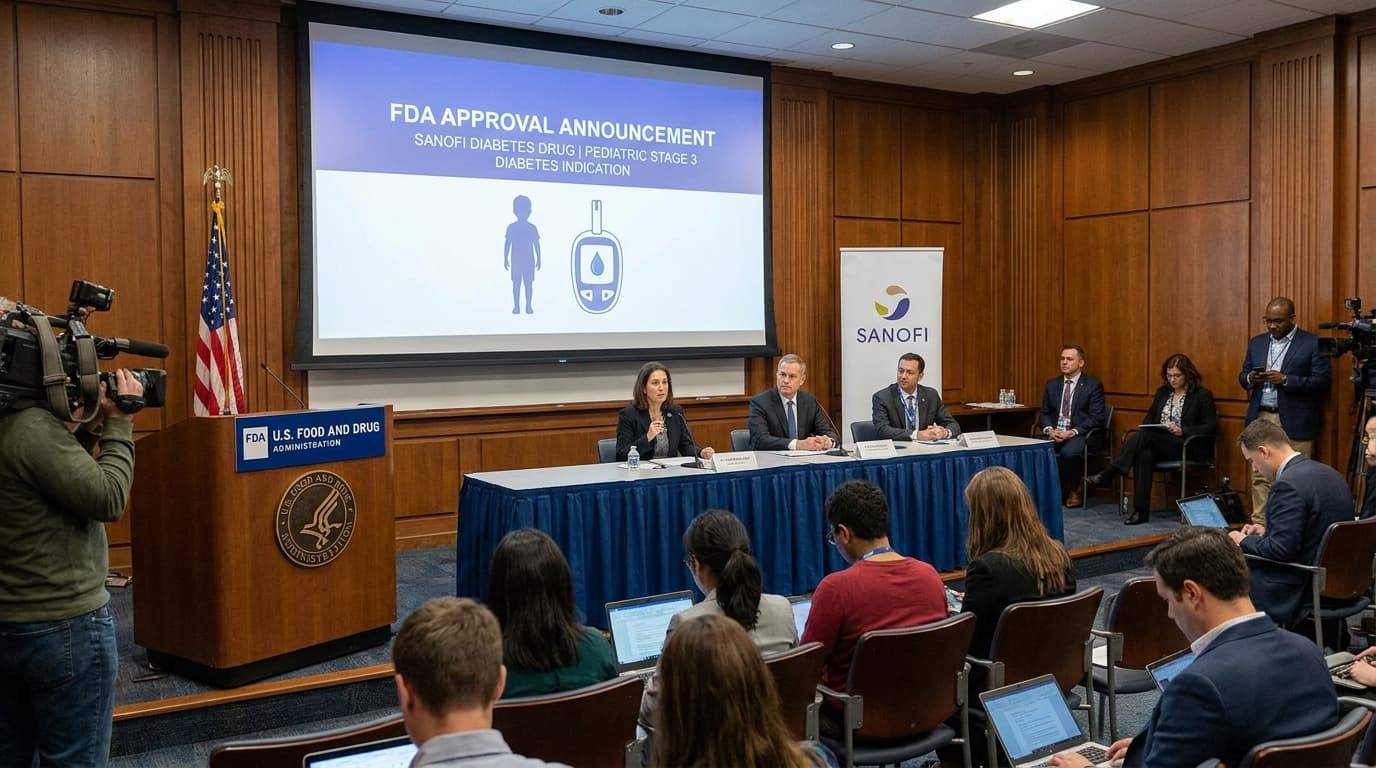
FDA Approves Sanofi Diabetes Drug for Children with Stage 3 Diabetes: Implications for Pediatric Care

After a period of internal FDA discord, Sanofi's innovative diabetes therapy receives approval for pediatric patients with stage 3 diabetes. The decision could redefine standards of diabetes care for young patients and highlights the evolving landscape of drug regulatory oversight.
Introduction
In a pivotal development for pediatric endocrinology, the U.S. Food and Drug Administration (FDA) has officially approved a diabetes medication from Sanofi for use in children diagnosed with stage 3 diabetes. The result is a noteworthy regulatory milestone—one that addresses long-standing treatment gaps in childhood diabetes and shifts the standards for clinical care in this specialized patient population. This approval arrives after what has been described as an unusual internal dispute within the FDA, illustrating both the complexity and high stakes involved in regulatory decision-making, especially for vulnerable pediatric patients.
The significance of this FDA action extends well beyond the drug label. It signals a meaningful advance in science, policy, and clinical care, and could inform precedent for future pediatric drug reviews and industry engagement. In this piece, we examine the context of the approval, the drug’s background, the clinical need it seeks to address, implications for patients and providers, and the regulatory contours that shaped the final decision.
Regulatory Background: A Disputed Pathway
Sanofi’s application for its diabetes drug—previously available for older populations—was met with both anticipation and controversy within the FDA. Early reports indicated a difference in opinion between career agency staff and political appointees, particularly concerning the standards for safety and efficacy in a pediatric cohort particularly vulnerable to adverse effects. The approval, as clarified in public statements and regulatory filings, ultimately reflects a reconciliation of scientific evidence versus perceived regulatory risk.
While the specifics of the FDA’s internal process remain partially confidential, it is clear this case is emblematic of broader tensions between regulatory rigor and accelerated access to breakthrough therapies. Such tensions have only intensified with the rise of precision and personalized medicine, where traditional trial structures and endpoint measurements may not translate cleanly to unique pediatric populations.
Understanding Stage 3 Diabetes in Children
Pediatric diabetes, long a domain distinguished by type 1 diagnoses, is evolving as new disease subtypes and progression stages—including stage 3—are recognized. Stage 3 diabetes, while not universally defined in public literature, typically refers to advanced disease in which metabolic failure, complications, or resistance to standard insulin therapies require more nuanced interventions. For children, this means higher risk, less predictable clinical courses, and a challenging prognosis for families and providers.
Historically, children with advanced or difficult-to-treat diabetes faced limited therapeutic options. The introduction of new drugs for this group—particularly those approved following full regulatory review—opens new potential for optimizing care and outcomes, while also posing questions about long-term safety in these young patients.
The Drug at a Glance: Sanofi’s Clinical Commitment
Sanofi’s intervention, already available for some adults or other populations, underwent rigorous testing tailored to pediatric safety, dosing, and disease progression. According to the FDA’s published documentation, the pivotal clinical data set not only focused on glycemic control and complication prevention, but also monitored adverse events and developmental milestones over extended treatment periods.
Researchers and clinicians emphasize that approval for children does not always follow automatically from adult data. Pediatric metabolic pathways, growth patterns, and comorbidities may amplify or mask side effects. Thus, the FDA’s requirement for additional pediatric-specific data was a key aspect of the review process.
Addressing Unmet Needs: Why This Approval Matters
The impact of this approval is likely to be pronounced for several reasons:
- Underserved Population: Children with advanced diabetes have long faced limited options, frequently relying on off-label use or makeshift regimens. An officially approved, on-label therapy provides reassurance for families and guidelines for clinicians.
- Safety and Efficacy Benchmarks: The FDA’s endorsement comes after heightened scrutiny, suggesting robust safety monitoring mechanisms. For providers, this sets a new benchmark in evidence-based care for a high-risk cohort.
- Insurance and Access: FDA approval often facilitates broader insurance coverage and reimbursement. This ensures that children from more diverse backgrounds may access state-of-the-art therapies without prohibitive out-of-pocket costs.
Navigating Ethical and Clinical Complexities
Approval of a new pediatric diabetes medication is not simply a regulatory event—it is an ethical inflection point. Decisions about treating children, particularly with chronic and potentially life-altering medications, require balancing urgency against uncertainties in long-term effect.
Notably, Sanofi and the FDA are likely to continue monitoring real-world data, reporting on patient-centered outcomes, and conducting post-market surveillance to identify any emerging safety signals unique to a pediatric setting. This ongoing vigilance is crucial given the developing physiology and psychosocial context of children living with diabetes.
Implications for Healthcare Delivery
For healthcare systems, this regulatory green light may prompt updates to clinical pathways, electronic medical record defaults, and provider education curricula. Pediatric endocrinology societies could revisit guidelines to reflect this new standard of care. Furthermore, hospitals and clinics may invest in additional infrastructure—such as staff training in patient communication—to facilitate safe and informed deployment of this drug.
It is also expected that patient advocacy groups and nonprofit organizations will play a vital role in disseminating information, managing expectations, and advocating for equitable access, particularly in historically underserved communities.
Future Directions: Expanding the Horizon of Pediatric Drug Approvals
This decision has broader meaning for the pharmaceutical pipeline in pediatric indications. The review and ultimate approval of Sanofi’s diabetes drug could incentivize other developers to pursue pediatric-specific trials and regulatory submissions. The episode further underscores the need for harmonized standards for pediatric study designs, ethical recruiting, and long-term surveillance.
In addition, the FDA’s willingness to revisit and resolve internal dispute suggests an adaptable, transparent decision-making model—critical at a time when medical science moves faster than regulatory tradition.
Stakeholder Perspectives and Ongoing Challenges
- Clinician Response: Pediatric endocrinologists broadly welcome the news, highlighting the need for continual training and careful initiation protocols for new therapies. However, cautious optimism remains regarding potential unknown side effects.
- Insurer Considerations: Payers are likely to analyze long-term cost-benefit equations for covering such innovative drugs. Policymakers and advocates will watch closely to ensure that public and private insurance plans do not restrict access following approval.
- Patient and Family Concerns: For families managing stage 3 diabetes, this approval brings hope—but also warrants continued vigilance about side effects, quality of life, and long-term health trajectories for children on the drug.
Conclusion: A New Era in Pediatric Diabetes Treatment?
Sanofi’s recently approved diabetes drug for children with stage 3 diabetes may prove to be a bellwether for regulatory processes, clinical standards, and healthcare delivery strategies in pediatric chronic disease management. As this therapy is incorporated into clinical practice, stakeholders—regulators, clinicians, insurers, patients, and families—will need to work collaboratively to ensure rigorous follow-up, robust safety monitoring, and equitable access.
The episode also serves as a case study in the evolving interplay between regulatory caution and clinical innovation. As science uncovers new options for the most vulnerable populations, the tools and structures of our regulatory landscape must likewise adapt. The ultimate beneficiary, it is hoped, will be the child living with diabetes—receiving not only better therapies, but the collective assurance of a system striving for excellence, transparency, and compassion.
Join the BioIntel newsletter
Get curated biotech intelligence across AI, industry, innovation, investment, medtech, and policy delivered to your inbox.