FDA Clears First Neurostimulation Device for PTSD: Implications for Mental Health Treatment

With its landmark approval, the Modius Spero becomes the first FDA-cleared neuromodulation device targeting post-traumatic stress disorder. As veterans prepare to gain access through the VA, this breakthrough signals a new era in device-mediated mental health care and raises important questions about accessibility, safety, integration, and the evolving landscape of treatment options.
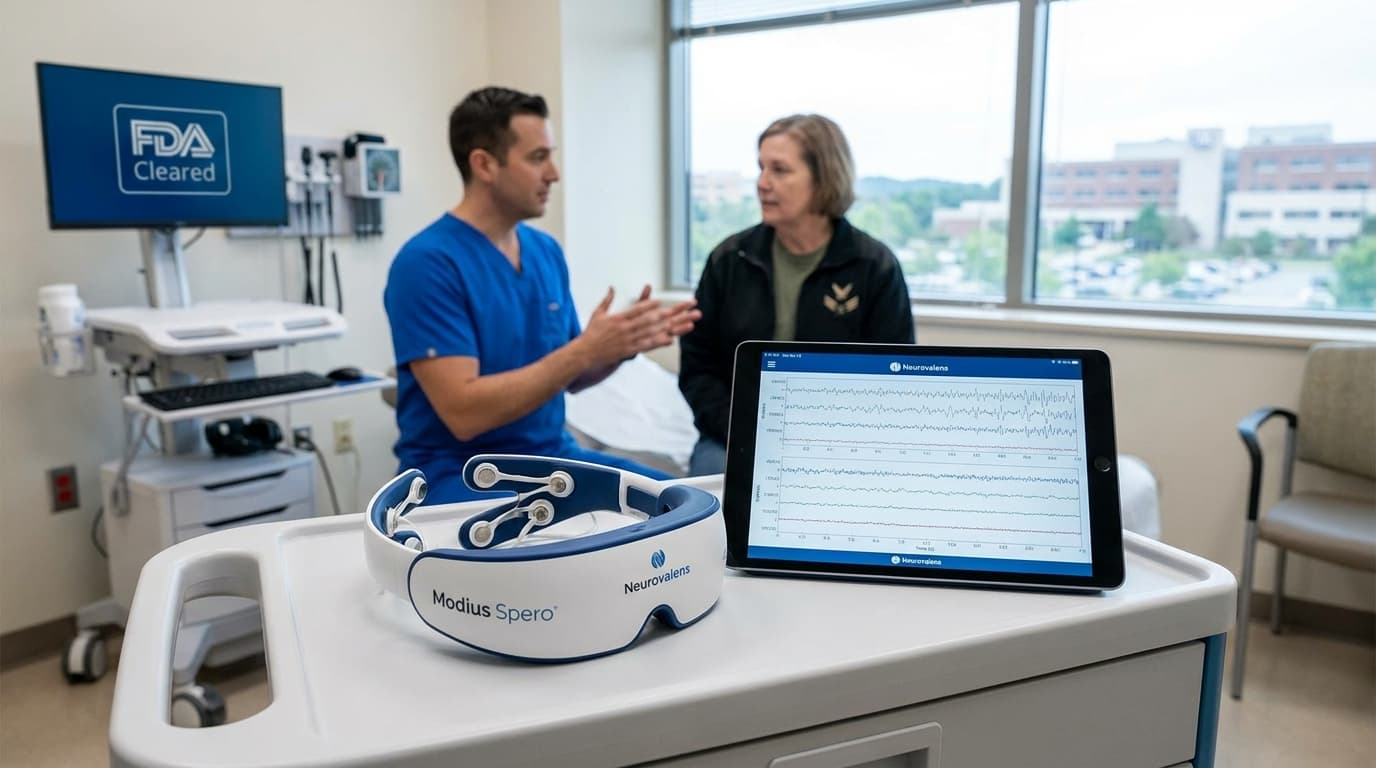
The U.S. Food and Drug Administration (FDA) has granted clearance to Neurovalens’ Modius Spero, making it the very first FDA-approved neuromodulation device indicated specifically for the treatment of post-traumatic stress disorder (PTSD) symptoms. For veterans and others grappling with trauma-related mental health challenges, this approval could represent a transformational moment in both access to care and available therapeutic modalities. Understanding the full impact of this development requires a deep dive into the clinical context, device technology, regulatory significance, and broader implications for mental health treatment.
Background: The Challenge of PTSD Treatment
Post-traumatic stress disorder is a widely recognized mental health condition triggered by exposure to traumatic events—such as military combat, natural disasters, serious accidents, or personal assault. The array of symptoms, including intrusive memories, avoidance behavior, negative changes in thinking or mood, and hyperarousal, can profoundly disrupt a person’s life and functioning. Despite decades of research, current treatment options for PTSD often center around psychotherapy (such as cognitive behavioral therapy and exposure therapy) and pharmacological interventions (including SSRIs and other antidepressants). However, not all patients respond to these treatments, and some find the side effects or time commitment challenging.
In this context, the approval of a device-based intervention represents a significant departure from the standard paradigm and may offer new pathways for refractory cases or patient subgroups not benefiting from existing options.
What Is the Modius Spero and How Does It Work?
Neurostimulation devices operate by delivering electrical impulses to specific areas of the brain or nervous system to modulate neural activity. Modius Spero’s approach is non-invasive, meaning it does not require surgical implantation. Instead, it likely employs transcutaneous electrical stimulation—sending signals via electrodes applied to the skin, often on the head or neck. The intended effect is to influence neuronal circuits thought to be dysregulated in PTSD, either restoring normal signaling or dampening pathological overactivity associated with trauma symptoms.
Though the FDA’s summary provides a high-level overview, users and clinicians will want detailed data on:
- Efficacy: What magnitude of symptom reduction did clinical trials demonstrate? How durable are the benefits?
- Safety: What risks, adverse events, or tolerability concerns were observed, especially over extended periods?
- Comparative Effectiveness: How does Modius Spero compare to gold-standard therapies? Can it be used adjunctively, or is it reserved for patients who exhaust traditional care?
Clinical Trials: The Foundation for Approval
The FDA’s decision is rooted in evidence sourced from clinical trials. While the snippet notes that the device demonstrated reduced symptoms in its studied population, full trial design and results will be essential for contextualizing the approval:
- Study Population: Was the device tested primarily in veterans, civilians, or a diverse pool? Did symptom severity or duration influence response?
- Outcome Measures: Were improvements based on standardized PTSD rating scales, patient self-report, clinician assessments, or biomarker changes?
- Follow-Up Period: What is known about the persistence of benefit and the risk of symptom relapse? Are there withdrawal phenomena?
Implications for Access and Adoption: Veterans and Beyond
One of the most immediate consequences of this clearance will be the integration of Modius Spero into the U.S. Department of Veterans Affairs (VA) system. According to the release, veterans will be among the first to access the device as early as this summer, a move that could set the stage for broader dissemination. With PTSD disproportionately affecting military personnel and veterans, this targeted approach may serve as a real-world test case for device-enabled mental health care at scale.
Yet, broader adoption will hinge on several key questions:
- Insurance Coverage and Reimbursement: Will public and private payers reimburse for device costs and associated care coordination?
- Provider Training: What measures are in place to ensure clinicians are adequately trained to prescribe, monitor, and support device use?
- Patient Selection: How will the field identify patients most likely to benefit—and equally, those at risk for poor outcomes or adverse effects?
- Equity and Access: How can disparities in health technology uptake be minimized, especially given variable access to mental health resources?
The Evolving Landscape of Device-Based Psychiatry
The FDA’s approval of Modius Spero could catalyze a wave of innovation in device-based mental health. Neurostimulation is already used to treat conditions like depression (via transcranial magnetic stimulation and implanted devices) and epilepsy. Extending these techniques into trauma-spectrum disorders creates opportunities for further research, including personalized protocols, next-generation non-invasive devices, and synergy with digital therapeutics.
Nevertheless, enthusiasm must be balanced with caution. Real-world effectiveness, long-term safety, and the nuances of psychiatric comorbidities demand ongoing study. As new neurotechnologies emerge, regulatory agencies, payers, and clinical organizations must shape policies that foster both responsible innovation and patient safety.
Conclusion: A Cautious Step Forward in PTSD Care
The FDA’s clearance of Neurovalens’ Modius Spero device marks a historic advancement in the treatment of PTSD, potentially reshaping care pathways for a population long underserved by conventional pharmacotherapy and psychotherapy. Veterans are poised to benefit first—offering a critical testbed for device adoption, patient-centered protocols, and systematic outcome tracking. As the mental health field absorbs this milestone, careful surveillance and transparent data sharing will be essential to ensure that this and future technologies fulfill their promise without creating new risks or disparities.
For anyone touched by PTSD, and for the clinicians who care for them, this may well be just the beginning of a new chapter in neurotechnological innovation and therapeutic hope.
Source: MedCity News
Join the BioIntel newsletter
Get curated biotech intelligence across AI, industry, innovation, investment, medtech, and policy delivered to your inbox.