FDA Committee Recommends Early Preparation for Next Year’s Flu Vaccines Amid Ongoing Public Health Concerns

Vaccine experts and the FDA committee emphasize the importance of timely flu shot development to mitigate seasonal influenza impact. This advisory highlights regulatory and logistical considerations coinciding with ongoing debates on vaccination and public health policies.
Influenza continues to pose a considerable seasonal health threat globally, with significant morbidity and mortality, especially among vulnerable populations such as the elderly, young children, and the immunocompromised. In light of this, proactive measures by regulatory bodies and healthcare providers are critical to ensure timely protection through vaccination.
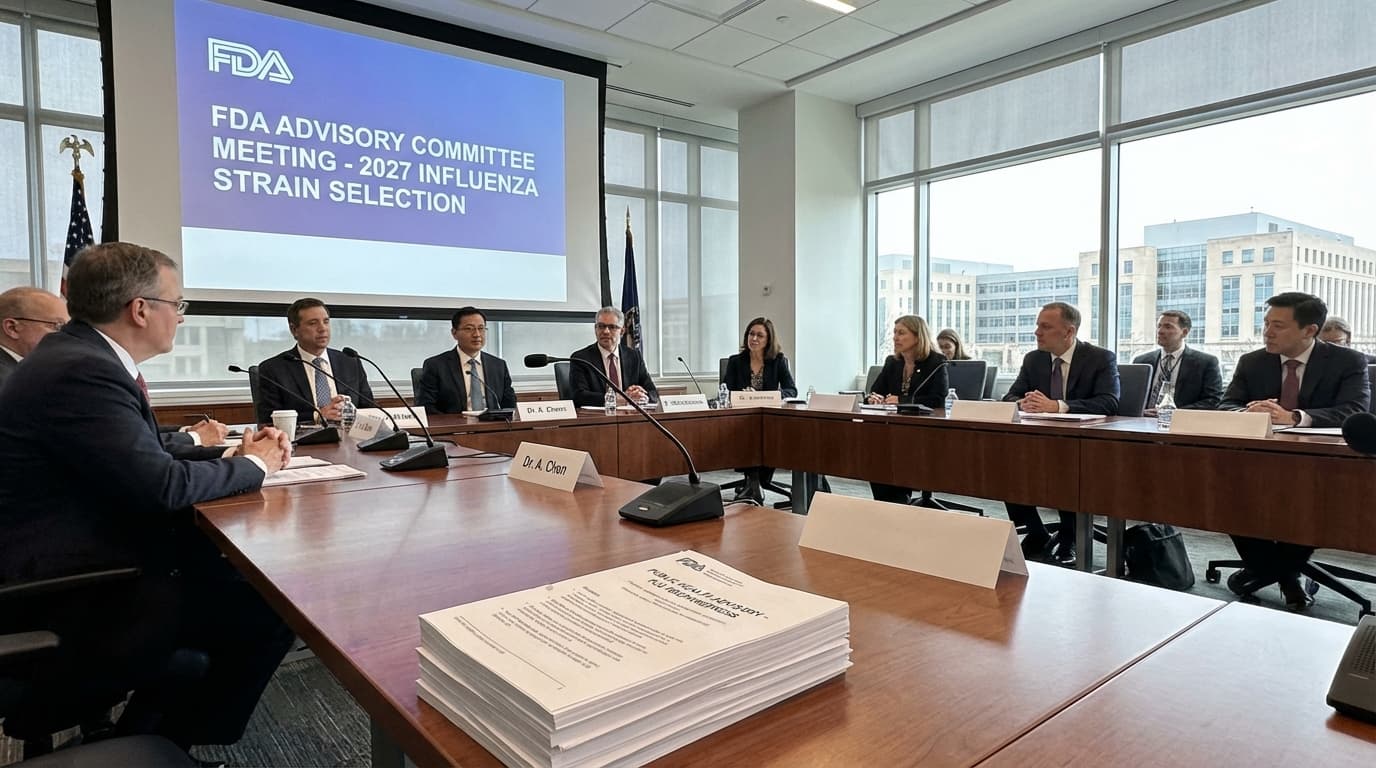
On March 13, 2026, an FDA advisory committee publicly recommended that preparations for next year’s flu vaccines should commence promptly. This advice is particularly pertinent given recent fluctuations in vaccine uptake rates influenced by persistent vaccine skepticism among certain populations and the challenges of matching vaccine strains to circulating influenza viruses.
The committee's recommendations reflect a comprehensive evaluation of epidemiological data, vaccine efficacy trends, and manufacturing timelines. Traditionally, influenza vaccine development involves selecting virus strains months ahead to allow sufficient production time, a process that necessitates early and decisive action from regulators and manufacturers alike.
The committee also recognized the evolution in vaccine technologies, including the use of recombinant and mRNA platforms alongside traditional egg-based methods. These advancements can potentially shorten production timelines and improve vaccine effectiveness. However, regulatory pathways and quality control remain rigorous to ensure safety and efficacy.
Persistent vaccine hesitancy remains a major hurdle in maximizing the public health benefit of flu vaccinations. The advisory underscores the need for effective communication strategies to address misinformation, build public trust, and promote widespread vaccination compliance. This involves coordinated efforts between public health officials, healthcare providers, and community stakeholders.
In addition, the committee highlighted considerations about emerging viral strains and the importance of ongoing surveillance to tailor vaccine formulations accurately each season. These factors are vital to optimizing vaccine impact and preventing severe influenza outbreaks.
Beyond the flu vaccine recommendation, ongoing discussions in the public health community include the potential integration of flu vaccination programs with broader respiratory disease prevention campaigns, reflecting a holistic approach to seasonal respiratory illness management.
The FDA committee’s advice serves as a critical reminder to all stakeholders of the complexities involved in influenza vaccination programs and the continuous need for vigilance, innovation, and public engagement in disease prevention.
This proactive stance is expected to help healthcare systems better prepare for influenza seasons ahead, minimizing disease burden and enhancing population health outcomes.
For further details and updates on this advisory, visit the full article at STAT News.
Join the BioIntel newsletter
Get curated biotech intelligence across AI, industry, innovation, investment, medtech, and policy delivered to your inbox.