FDA Disavows Makary and Prasad’s Papers as Lawmaker Criticizes ‘Shoot-from-the-Hip’ Policymaking

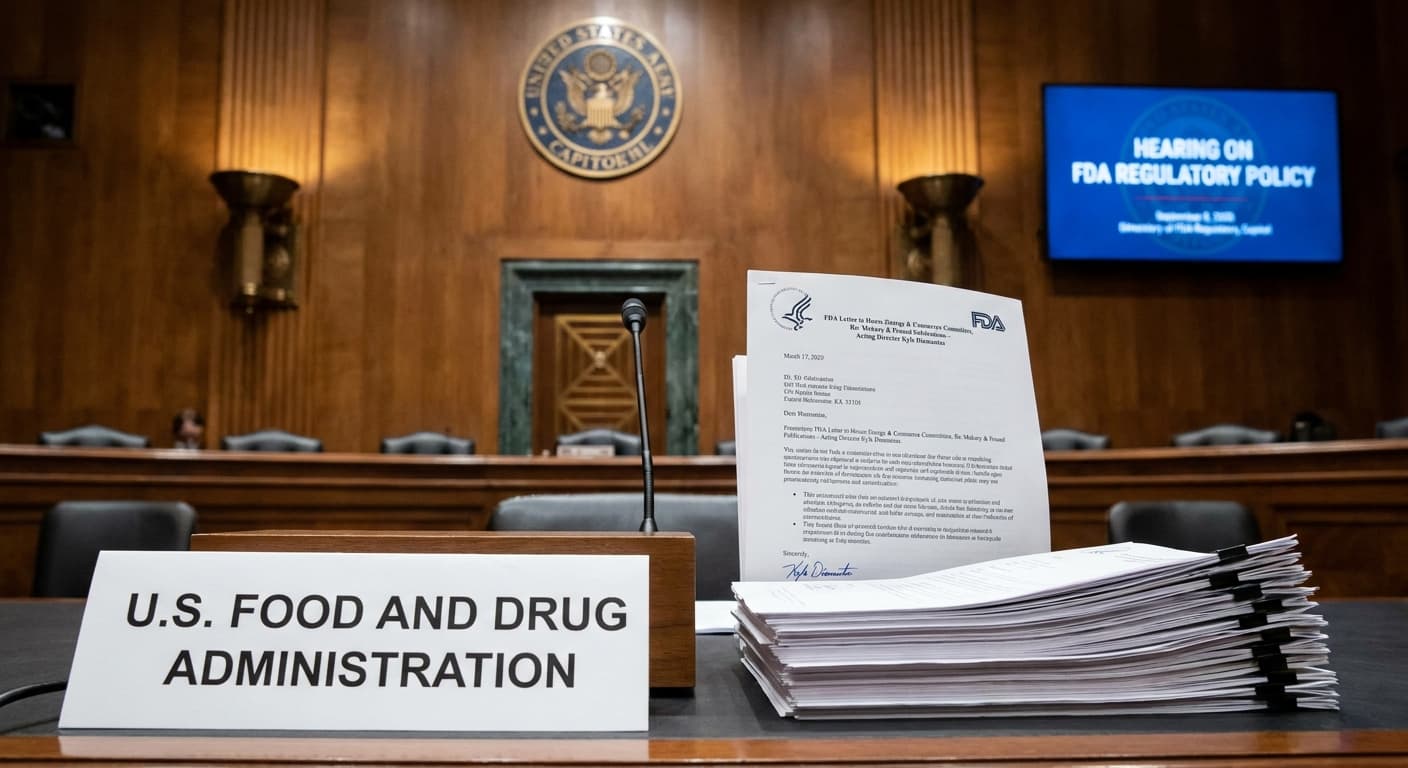
A recent letter from the FDA’s acting director to Congressional leadership clarifies that certain peer-reviewed papers do not reflect agency policy or its interpretation of regulatory issues. The move comes amid lawmaker criticism about potential overreach and confusion in health policy debates.
Introduction
Scientific publications—especially those from prominent experts—often influence debates on regulatory policy. However, the U.S. Food and Drug Administration (FDA) works within defined boundaries and procedures for issuing official guidance. Recently, this distinction has become the subject of renewed attention following public statements by the agency disavowing any formal relationship between two published papers and FDA policy.
This editorial draws on coverage from BioSpace, where a letter from FDA acting director Kyle Diamantas to the House Energy & Commerce committee’s ranking member Diana DeGette addressed the status of two papers by well-known researchers Marty Makary and Vinay Prasad. The papers, which had suggested possible changes or interpretations in FDA guidelines, were the subject of scrutiny after a lawmaker criticized what was described as ‘shoot-from-the-hip’ policymaking.
The exchange has brought to light longstanding questions about the impact—and limitations—of academic research in shaping regulatory frameworks. It also highlights the increasingly complex interface between regulatory science, legislative oversight, and public perception in the age of rapid biomedical advance.
Background: The Controversy Explored
Two journal articles, penned by Makary and Prasad, caught the attention of policymakers and the FDA for their assertions related to drug or device regulations. The specifics of the disputed guideline interpretations were not disclosed in detail in the snippet, but the response from the FDA was unequivocal: academic articles, even those that suggest regulatory changes, do not carry the authority of the agency, nor are they substitutes for formal policy documents.
Acting director Diamantas wrote to congressional leadership explicitly stating that such journal publications do not “communicate FDA policy or interpretation of a regulatory issue.” This clarification was issued in the context of pressure from Representative Diana DeGette and other lawmakers who have grown increasingly concerned about what they see as the potential for confusion between individual expert opinion and the stated policy of the U.S. government.
The Broader Debate: Academic Research Versus Agency Policy
Institutions like the FDA draw from the research community in crafting or updating their regulatory frameworks. Expert commentary, systematic reviews, and original research all help identify gaps in current guidance, suggest responses to emerging challenges, and catalyze discussion within regulatory science.
However, the process for turning evidence into agency policy is highly structured. Statutory requirements, opportunities for stakeholder comment, transparency initiatives, and internal review mechanisms are designed to provide consistency and accountability. As such, individual publications—even those widely read or cited—cannot independently dictate regulatory standards.
For their part, researchers Makary and Prasad are well-known within medical policy circles. Both have been outspoken advocates of evidence-based reform, sometimes courting controversy with provocative critiques of status quo approaches. Their high-profile status inevitably brings heightened scrutiny to their work, especially when law and regulation are in play.
Congressional Critique: ‘Shoot-from-the-Hip’ Concerns
The phrase ‘shoot-from-the-hip’ policymaking reflects a persistent anxiety among lawmakers: the risk that scientific speculation, preliminary findings, or highly specific interpretations might be mistaken for settled policy. In an era where medical news spreads rapidly on social media and in specialized forums, even subtle distinctions between official and unofficial guidance can have sweeping effects on clinical practice, business strategy, and patient decisions.
Members of Congress, including Rep. DeGette, have raised alarm bells over the possibility that journal publications could be used—deliberately or otherwise—to justify industry practices or legislative action. The FDA’s public statement is therefore both a response to these concerns and a reaffirmation of the agency’s institutional protocols.
Implications for the Biotech and Regulatory Communities
For the biotech sector, the episode is a reminder that regulatory clarity is essential—not just in formal guidance but in public communications. Biopharma companies, investors, and healthcare providers routinely parse FDA statements for signs of policy shifts or new enforcement priorities. When external publications appear to cast doubt on official guidance, uncertainty can ripple throughout the system.
This uncertainty is compounded by the often-iterative nature of regulatory science. As medical innovation accelerates, regulators rely on an evolving evidence base, with input from academia, industry, and the patient community. Yet the official mechanism for codifying policy—through the Federal Register, rulemaking procedures, or direct guidance—remains the gold standard for establishing enforceable norms.
There is also an emerging recognition that government agencies must proactively defend their remit, especially as political pressures and public scrutiny mount. Whether in the context of FDA, Centers for Medicare & Medicaid Services (CMS), or state-level regulators, the stakes are high: policies affect the pace of drug development, patient access, and the integrity of the regulatory system itself.
The Path Forward: Transparency and Dialogue
The FDA’s decision to formally disavow the Makary and Prasad papers may be read as an effort to defend the agency’s legitimacy, clarify boundaries, and reassure stakeholders about the continuity of established processes. At the same time, it highlights the need for robust dialogue between scientific thought leaders and policymakers.
Academic research will—and should—continue to inform regulatory innovation. However, when debate spills into public and legislative arenas, clear communication of what constitutes unofficial expert opinion versus binding official guidance is paramount.
Moving forward, the FDA and similar agencies face the challenge of maintaining openness to ideas and critique, while preventing unintended consequences stemming from misinterpretation or overreach. Mechanisms such as public comments, advisory committees, and engagement with journal publishers will play an increasing role in maintaining this equilibrium.
Conclusion
The recent exchange between the FDA, lawmakers, and research leaders puts a spotlight on the intersection of science, policy, and communication in an era where boundaries can easily become blurred. As both industry and the broader public look to the FDA for authoritative guidance on biomedical advances, the agency’s insistence on process and transparency remains a critical bulwark.
While journal articles and opinion pieces will always contribute to the dynamism of regulatory science, they should not—as the FDA acting director’s letter makes clear—be mistaken for official policy. For those navigating the fast-evolving world of biotech and regulatory affairs, understanding this distinction is more important than ever.
Source: BioSpace
Join the BioIntel newsletter
Get curated biotech intelligence across AI, industry, innovation, investment, medtech, and policy delivered to your inbox.