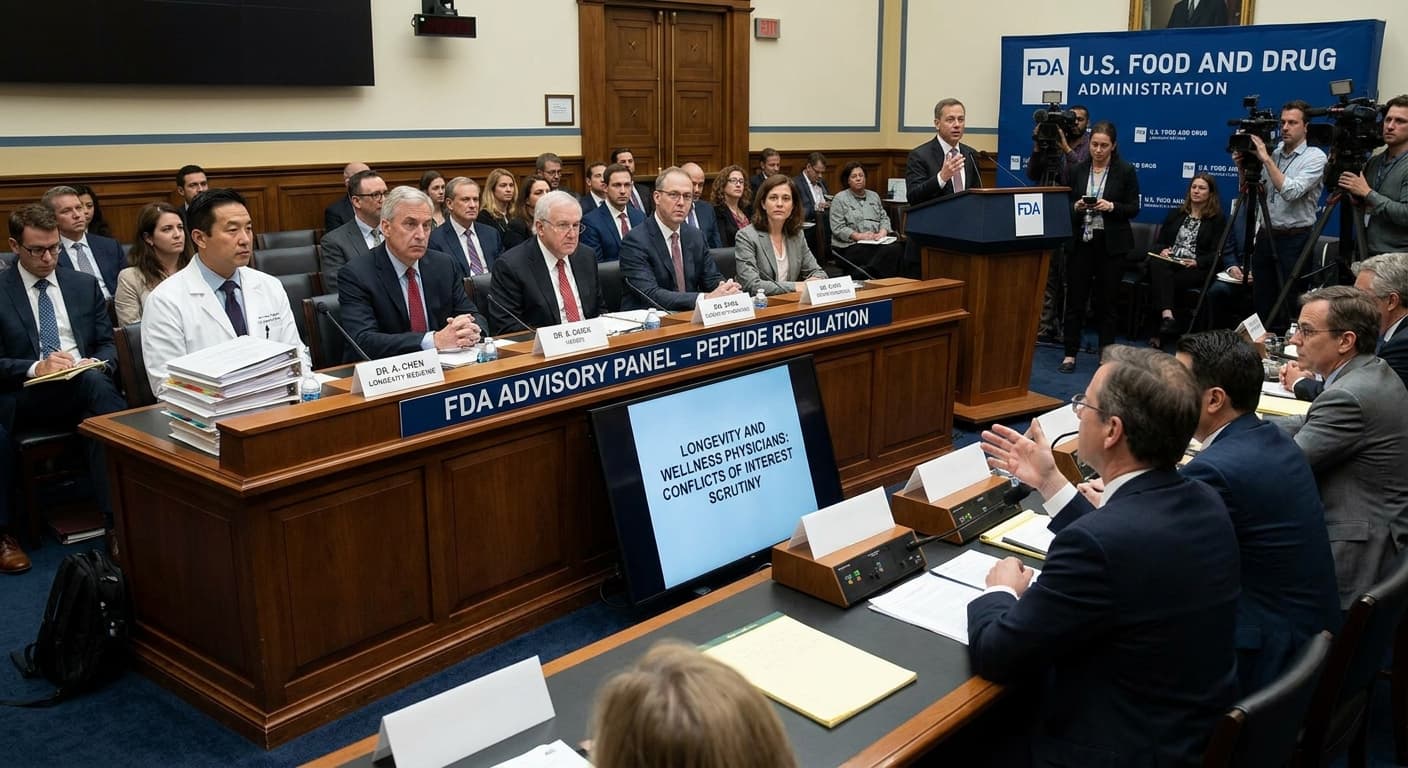
FDA Peptide Advisers Face Scrutiny Over Longevity and Wellness Panelists

The FDA's move to include longevity and wellness experts on a committee that will soon advise on relaxing peptide compound restrictions is attracting both interest and concern across the biomedical landscape. This development highlights the increasingly complex intersection of wellness, regulatory oversight, and public trust.
Introduction
The recent appointment of longevity and wellness physicians to a key advisory panel at the Food and Drug Administration (FDA) has prompted significant debate in the regulatory, biomedical, and wellness communities. This panel is tasked with advising on whether to relax current restrictions on certain peptides—components that have garnered both excitement and caution due to their uses in anti-aging, fitness, and wellness practices.
Peptides: The Science and Controversy
Peptides, which are short chains of amino acids, are increasingly popular in the health and wellness industry. They may have therapeutic potential in areas such as metabolic health, cognitive function, muscle growth, tissue repair, and anti-aging interventions. However, peptides can also carry risks related to misuse, unregulated compounding, and varying quality standards. The FDA’s oversight has grown more rigorous in recent years, particularly as interest has surged from wellness clinics and longevity-focused practitioners.
The Advisory Panel: Composition and Concerns
The FDA’s decision to expand its advisory panel to include longevity and wellness specialists represents a shift towards broader stakeholder input but also invites scrutiny. Critics argue that panelists with business interests in wellness or longevity clinics may be more inclined to support deregulation or less stringent oversight. Proponents claim this brings needed practical expertise and direct patient experience to the table, supporting more balanced, evidence-driven policy.
Conflict of Interest and Regulatory Transparency
Central to the debate is the specter of conflict of interest. If the wellness industry stands to benefit from regulatory changes, ensuring unbiased, transparent decision-making becomes far more challenging. Historically, similar advisory processes across clinical fields have led to protracted debates regarding the weight of industry versus academic or public health perspectives. The FDA, for its part, has emphasized its commitment to transparency, peer review, and public comment periods in the decision-making process.
Context: The Regulatory Landscape for Peptides
In recent years, peptide therapies have occupied a gray zone between traditional pharmaceuticals and compounded wellness treatments. As more products emerged outside the mainstream regulatory framework, concerns grew about patient safety, therapeutic efficacy, and the consistency of compounding standards. The FDA has taken steps to restrict some peptides from compounding, invoking authority granted under the Drug Quality and Security Act. The agency argues that compounded peptides carry unique risks given their complexity, limited evidence base, and burgeoning market demand.
Calls to Relax Peptide Restrictions
The surge in demand for individualized wellness and anti-aging therapies has led practitioners to lobby for more flexible peptide compounding regulations. They argue that such products fill important clinical and patient demand gaps not currently met by approved medications. Advisory panels have thus become a critical battleground, with the potential to shape not just regulatory outcomes, but broader norms around evidence, safety, and innovation in the wellness ecosystem.
Implications for Health and Regulatory Policy
The inclusion of longevity and wellness physicians on the FDA’s peptide panel spotlights the dynamic, sometimes fraught, interplay between regulatory safeguards and innovation. The panel’s guidance could shape the contours of peptide regulation for years to come, with ripple effects across compounding pharmacies, clinics, patients, and the growing cadre of consumers seeking “biohacked” or personalized enhancements to health and lifespan.
Stakeholder Perspectives
- Regulators: The FDA must safeguard public safety while responding to evolving health trends and market demands. The challenge lies in incorporating diverse expert perspectives without compromising scientific rigor.
- Wellness and Longevity Clinics: Industry insiders contend that many peptides have demonstrated safety and efficacy in clinical or real-world use and that overly strict rules hamper patient access and innovation.
- Patient Advocates: Many patient advocacy groups urge caution, warning that the history of wellness therapies is riddled with overstated claims and underappreciated long-term risks.
- Academic and Medical Experts: These stakeholders often advocate for randomized controlled trials and a measured pace of regulatory change, echoing concerns over premature deregulation.
The Road Ahead: Oversight and Trust
Whatever the panel ultimately recommends, their deliberations will be closely watched for signs of clarity, fairness, and balanced assessment. The outcome may set a precedent for how the FDA includes non-traditional experts in future regulatory conversations—an open question as wellness and integrative medicine continue to blur the lines with mainstream clinical research and practice.
Conclusion
The FDA’s move to name wellness and longevity physicians to its peptide advisory committee reflects the agency’s effort to engage with the rapidly evolving landscape of health innovation. Yet this effort also underscores the importance of maintaining rigorous safeguards, transparent procedures, and clear accountability when shaping regulations that have wide-ranging impact on consumers and the healthcare system.
Source
Read more: STAT News – Longevity, wellness physicians named to panel advising FDA on peptides
Join the BioIntel newsletter
Get curated biotech intelligence across AI, industry, innovation, investment, medtech, and policy delivered to your inbox.