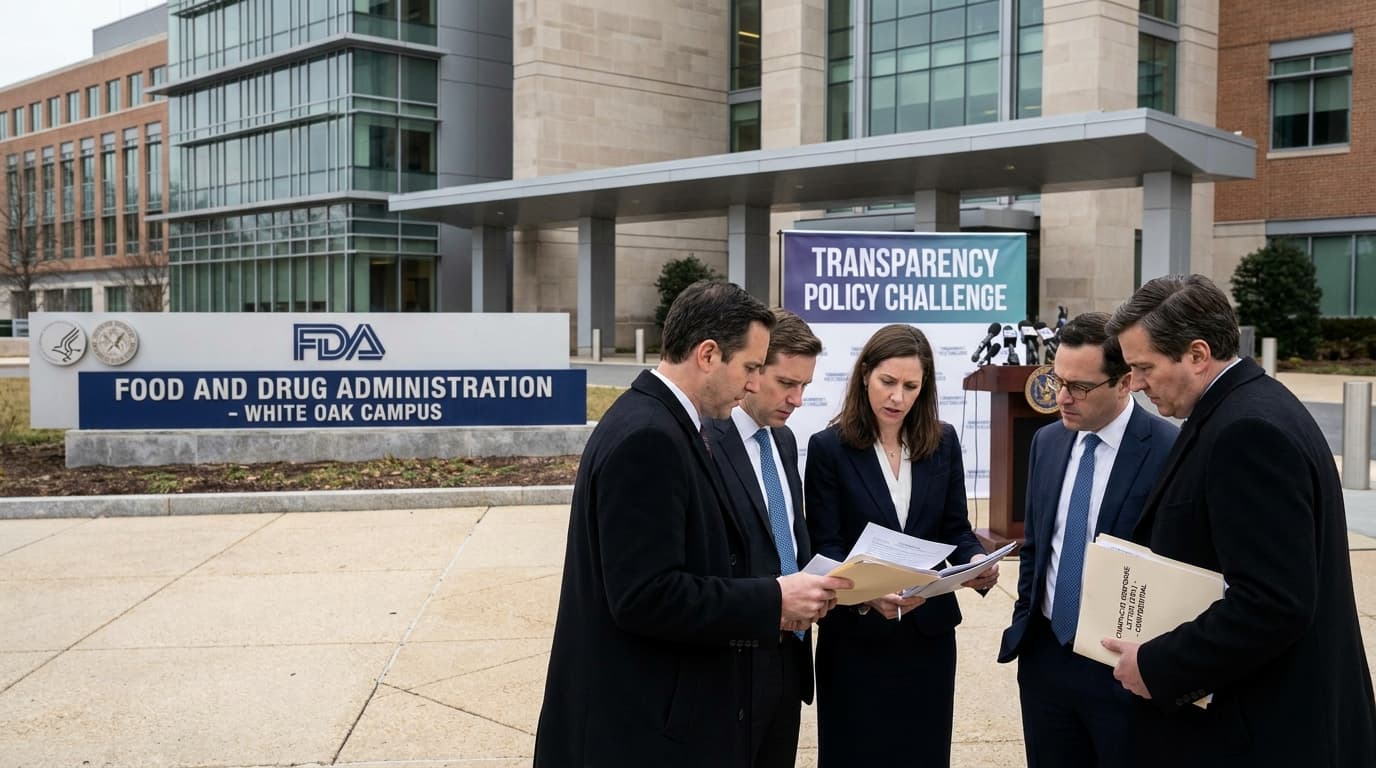
FDA’s Radical Rejection Transparency Faces Mounting Legal Challenges

As the FDA embarks on a radical policy shift toward publishing drug rejections, the agency finds itself at the crossroads of transparency and legal ambiguity. Stakeholders warn of inadequate public debate and the risk of undermining regulatory norms as the debate intensifies.
Introduction
The United States Food and Drug Administration (FDA) is entering uncharted territory with its newly instituted radical transparency policy regarding drug application rejections. Traditionally, Complete Response Letters (CRLs)—which detail why a drug approval has been denied—have been shielded from immediate public scrutiny. However, the FDA has begun publishing these rejection notices without extensive public consultation, spurring a growing wave of legal, ethical, and procedural debates. This in-depth report explores why the agency adopted this policy, the legal storm it now faces, and the broader implications for the pharmaceutical industry and public trust.
Background: CRLs and the Push for Transparency
The FDA issues CRLs to biopharmaceutical companies when a new drug application fails to earn approval. These letters contain regulatory reasoning, identified risks, and required improvements. For decades, companies could choose whether to share the details of a CRL, meaning regulators controlled little about what became public knowledge. This information vacuum led to mounting criticism over the perceived opacity of FDA decision-making—especially in cases with high public interest or significant investment implications.
Amidst calls for more open government, FDA leadership rolled out a controversial transparency initiative. The crux of the new policy is straightforward: CRLs would be published, in full or in part, soon after their issuance. Supporters argue this could bolster scientific debate, improve regulatory accountability, and give investors and patients a clearer window into the rationale behind agency decisions.
Legal and Procedural Obstacles Surface
Despite its logical appeal, the policy is not without formidable hurdles. Critics quickly pointed out that the FDA had started publishing CRLs without robust public engagement or a full evaluation of the legal ramifications. Legal experts have highlighted murky areas in administrative law, information privacy, and statutory obligations around trade secrets and proprietary data. Drug developers, wary of exposing sensitive details on failures or setbacks, have begun to mobilize legal teams in anticipation of drawn-out court battles.
The heart of the legal uncertainty centers on whether the FDA has the statutory authority and procedural framework to disclose what is often highly confidential commercial information. Can such publication withstand Freedom of Information Act (FOIA) challenges? Do biopharma companies have adequate grounds to sue based on potential reputational and market harm? These questions are presently unresolved, prompting the possibility of future litigation that could reshape agency powers for years to come.
Stakeholder Responses and Tensions
Patients, advocacy groups, and healthcare professionals have largely welcomed the move toward openness, believing it will demystify regulatory rejections and empower patient advocacy. For investors, published CRLs offer a new layer of insight—though they also introduce additional volatility and potential for misinformation if letters are read out of context.
In contrast, pharma industry leaders warn that unfettered publication could chill candid discourse between companies and the FDA. There is concern that details about drug shortcomings made public in CRLs could stifle innovation, discourage risk-taking, and expose businesses to unwarranted negative attention. The standoff highlights the age-old tension between public right-to-know and commercial confidentiality.
Implications for Biopharma and Public Health
Should the FDA’s transparency initiative survive legal scrutiny, its impacts will ripple through drug development, market dynamics, and regulatory precedent. Biopharma executives may become more conservative in their submissions, fearing the consequences of publicized setbacks. Innovative startups may find it harder to navigate regulatory relations or secure funding, wary of reputational fallout from failed applications. Conversely, patient advocates and public health professionals may gain vital leverage in lobbying for safer, more effective therapies.
A shift to greater transparency could also serve as a catalyst for science-driven reforms. By exposing the rationales for regulatory rejections, the FDA could foster a more collaborative feedback loop among researchers, manufacturers, and patients. The risk, however, is that poorly contextualized publications could spark confusion, sensationalized media coverage, and erosion of trust in both the FDA and the companies under its authority.
The Road Ahead: Policy, Power, and the Future of Regulation
As legal wrangling continues, the stakes for all stakeholders are high. If courts find that the FDA overreached, the policy could be reversed or substantially watered down. Alternatively, a favorable legal outcome could cement a new era of regulatory disclosure, possibly extending beyond the FDA to other federal agencies tasked with safeguarding public health and innovation.
The outcome of the ongoing debate will have far-reaching consequences. For now, the intersection of transparency, legal uncertainty, and evolving expectations for regulatory openness defines a turbulent chapter in the agency’s long history.
Join the BioIntel newsletter
Get curated biotech intelligence across AI, industry, innovation, investment, medtech, and policy delivered to your inbox.