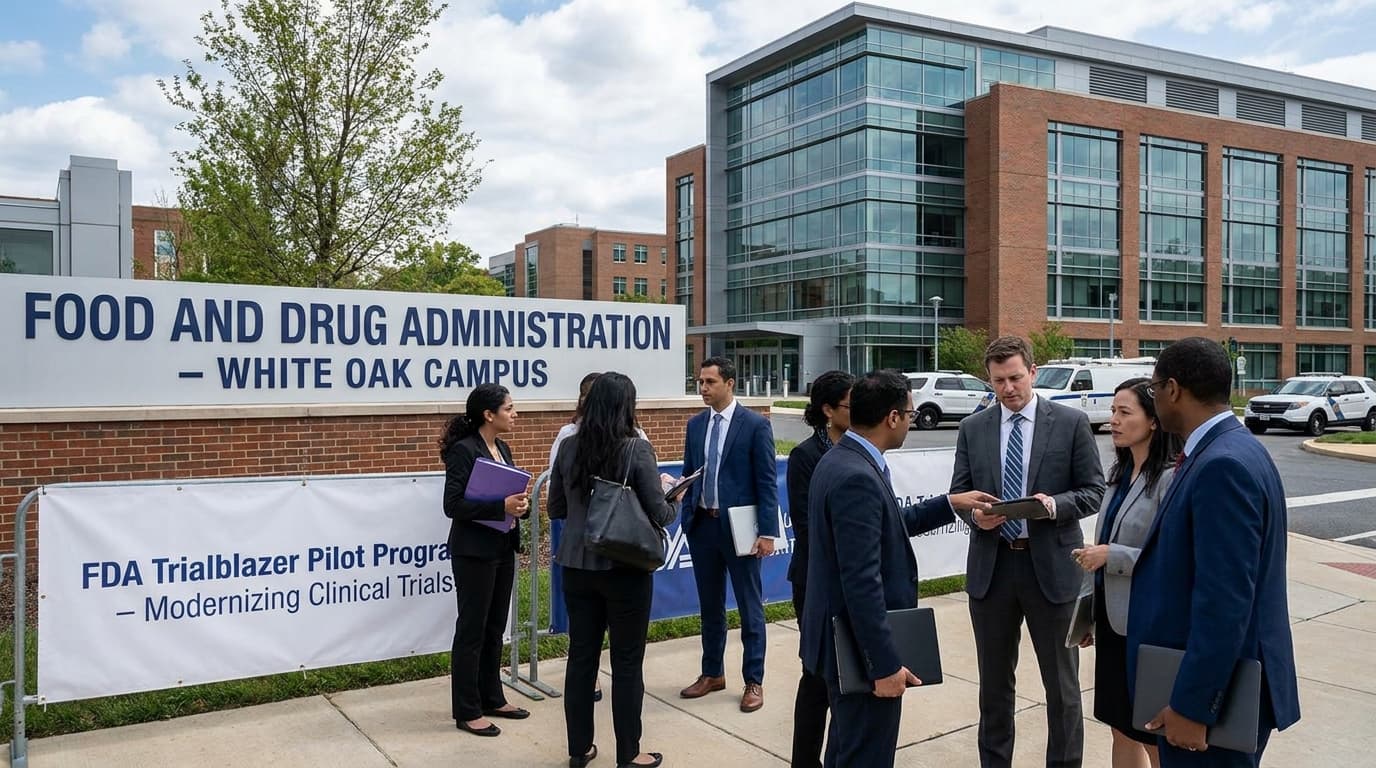
FDA’s Trialblazer Program and the Push for Streamlining INDs: Biotech Leaders Speak Out

As the FDA launches its ambitious Trialblazer initiative to modernize the clinical trial landscape, industry voices call for more comprehensive streamlining of the investigational new drug (IND) application process. Experts warn that while the program is a step forward, significant barriers remain that could blunt its intended impact on biopharmaceutical innovation.
Introduction
In August 2026, the U.S. Food and Drug Administration (FDA) unveiled the Trialblazer program—a highly anticipated pilot initiative designed to overhaul the investigational new drug (IND) process. This move aligns with the Department of Health and Human Services (HHS) broader efforts to modernize clinical trials and reduce regulatory friction that can delay first-in-human studies for novel therapies. But for the biotech sector, which lives or dies by speed and efficiency in innovation, this program is just one step on a challenging path toward a more agile regulatory system. Industry leaders are voicing appreciation for the intent behind Trialblazer while cautioning that the pilot alone will not address the longstanding bottlenecks hampering drug development pipelines.
The Trialblazer Initiative: Ambitions and Scope
The FDA’s Trialblazer pilot represents a central feature of the agency’s effort to make the IND process less cumbersome. The core aim of Trialblazer is to test new ways to streamline regulatory review, facilitate more rapid entry of novel therapies into Phase 1 studies, and deploy data-driven assessment methods to cut unnecessary delays. This coincides with the HHS’s larger agenda of clinical trial modernization, which seeks to make regulatory processes more adaptive, responsive, and ultimately more efficient for a rapidly evolving life sciences sector.
According to the FDA’s announcement, the pilot will:
- Enable selected sponsors to participate in a new, collaborative review model
- Provide dedicated FDA staff for more frequent and iterative engagement with applicants
- Experiment with data modularity to reduce redundant submissions and paperwork
- Assess the technological and workflow implications for a larger-scale rollout
However, as promising as these objectives sound, many within the industry recognize that meaningful change requires more than pilot programs and limited-scope initiatives.
The Biotech Perspective: A Push for Comprehensive Reform
The biotech industry, characterized by a diversity of companies ranging from early-stage startups to multinational pharmaceutical giants, has consistently lobbied for measures that would significantly streamline the IND application and review process. This is not simply a matter of bureaucratic expedience: for every day or week that a clinical trial is delayed, costs rise and patients’ access to innovative treatments is deferred.
Leaders in the field have commended the FDA for acknowledging the problem, but several have expressed skepticism that the Trialblazer pilot alone can meaningfully tip the scales. High-profile stakeholders argue that what is sorely needed is a systematic overhaul of legacy protocols, documentation requirements, and entrenched risk-averse review culture that too often impede the development and evaluation of transformative therapies.
Challenges Cited by Biotech Leaders
- Overlapping Documentation: Biotech leaders highlight the duplicative nature of many required submissions, which can create a documentation burden that slows progress without proportionate gains in safety.
- Fragmented Communication: The traditional structure of FDA-sponsor communication, relying on infrequent and formal response cycles, is perceived as out of step with the agile workflows that modern drug development demands.
- Resource Allocation: Smaller biotech firms, lacking the regulatory teams of big pharma, are disproportionately affected by complex IND procedures, risking the stifling of innovative therapies before they reach clinical testing.
- Unclear Pilot Scope: Observers point out that unless Trialblazer addresses both process and cultural aspects of regulatory review, its impact on the industry at large may be limited.
Potential Impact: Acceleration or More of the Same?
The introduction of Trialblazer has raised hopes—albeit tempered ones—across the biotech sphere. The central question remains: can a pilot program scale up quickly and flexibly enough to alter the clinical trial landscape in a meaningful way?
Proponents highlight several potential benefits:
- More rapid path to first-in-human trials, reducing the infamous “valley of death” in early-stage drug development.
- Decreased costs and regulatory uncertainty for companies trying to translate scientific discoveries into real-world therapies.
- The chance to set new standard operating procedures based on best practices surfaced during the pilot.
Yet, critics note past experiences with limited-scope initiatives, warning that unless learnings from the pilot are swiftly and fully integrated into agency-wide practices—and unless there is ongoing congressional support for regulatory modernization—the risk is that Trialblazer becomes “yet another well-intentioned but incremental update.”
The Context: Clinical Trial Modernization in HHS
The FDA’s program does not operate in a vacuum. It is one component of a much broader HHS policy push to bring 21st-century tools and thinking to the entire clinical research system, including digital data sharing, broader adoption of decentralized trials, patient-centric study design, and more sophisticated risk assessment.
Nonetheless, experts emphasize that the linchpin for meaningful improvement is regulatory streamlining at the level of preclinical-to-clinical transition. The IND process, as the critical gateway, affects every downstream element of biopharmaceutical innovation.
Outlook: What Comes Next?
Industry watchers are closely monitoring how the pilot unfolds, with early participants’ experiences likely to shape both the appetite for larger agency reforms and the development timelines for cutting-edge drugs. Key metrics will include average review times in the pilot versus traditional IND applications, sponsor satisfaction, and whether the program succeeds in reducing procedural redundancy.
Many biotech leaders are advocating for parallel reforms:
- Regulatory harmonization across therapeutic areas and between international agencies
- Tiered documentation requirements based on risk profile and novelty of intervention
- Technological support for digital submissions and tracking
Conclusion
The launch of the FDA’s Trialblazer program is an important signal to the life sciences sector: regulatory agencies recognize the need for modernization in the clinical trial process. However, the biotech community’s measured optimism suggests that the work is far from done. Without broader, faster, and deeper reforms—preferably catalyzed by transparent feedback cycles between pilot program participants and regulators—the promise of true clinical trial modernization may remain elusive.
As the U.S. biopharmaceutical industry continues to break new ground in gene editing, immunotherapy, and next-generation biologics, the pace of regulatory evolution will be a defining factor in which companies succeed and, ultimately, which patients benefit.
Source: BioSpace - Biotech leaders call for streamlining of INDs as FDA’s Trialblazer rolls out
Join the BioIntel newsletter
Get curated biotech intelligence across AI, industry, innovation, investment, medtech, and policy delivered to your inbox.