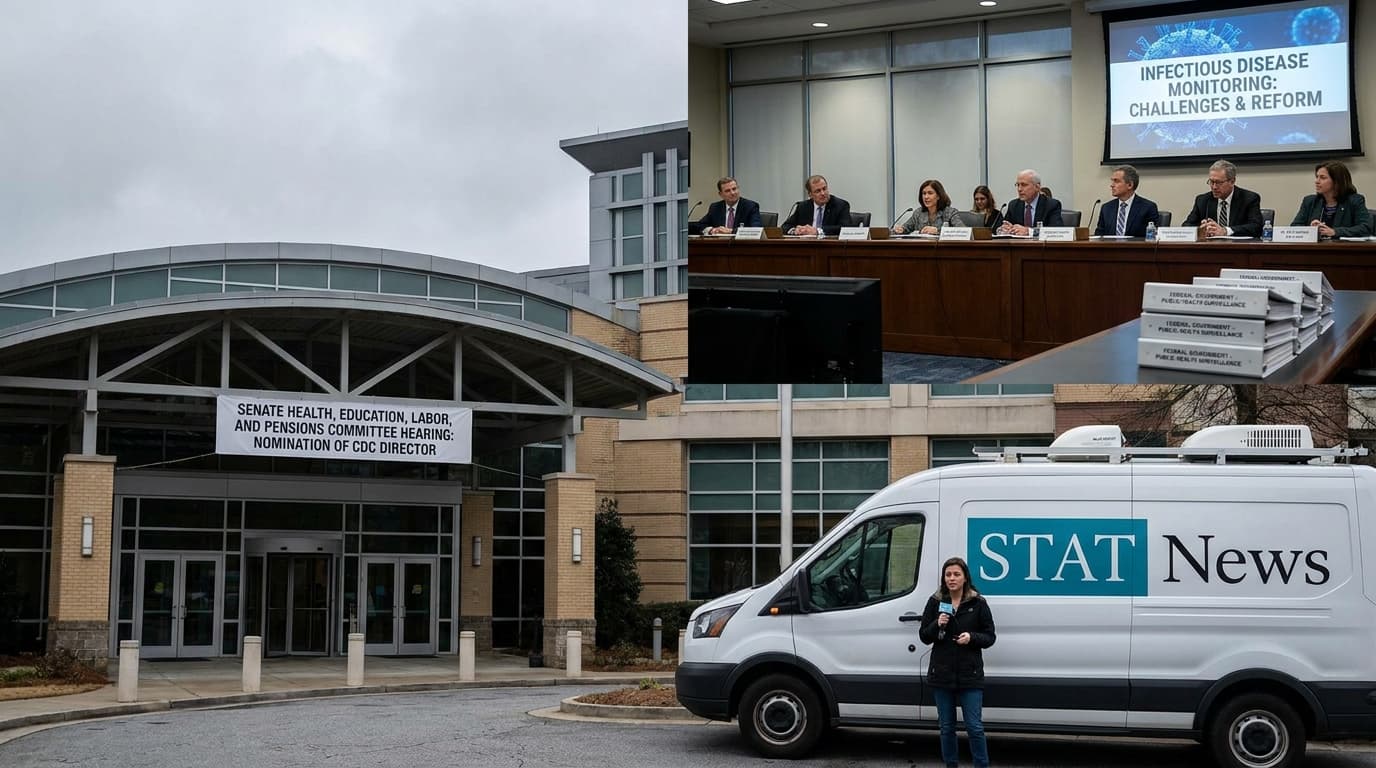
Federal Government’s Infectious Disease Monitoring: Current Challenges and Opportunity for Reform

With new leadership nominees advancing and persistent gaps in infectious disease monitoring, U.S. health agencies face the twin challenges of maintaining readiness and driving reform. Federal statements point to recognition of existing limitations and provide insight into evolving health policy priorities.
Introduction
The landscape of infectious disease monitoring in the United States has come under renewed scrutiny. Recent developments revealed by federal agencies underscore continuing challenges in surveillance, data integration, and public health response. In July 2026, with the nomination of a new Centers for Disease Control and Prevention (CDC) director moving to a Senate vote and critical Medicaid policy decisions under review, there is heightened attention to both the strengths and the shortcomings of America’s infectious disease monitoring systems. These developments highlight a pivotal moment for policy makers, healthcare providers, and the broader public health infrastructure.
Why Infectious Disease Monitoring Remains a Pressing National Priority
Infectious diseases—ranging from seasonal influenza and vaccine-preventable illnesses to emergent threats like novel coronaviruses or drug-resistant pathogens—demand vigilance and adaptability from health authorities. The COVID-19 pandemic provided a vivid illustration of the systemic impact that outbreaks can have on societies, economies, and healthcare systems. High-functioning monitoring systems are essential for:
- Early Detection: Rapid identification of outbreaks can be the difference between containment and widespread transmission.
- Resource Allocation: Surveillance informs emergency preparedness, stockpiling of necessary medications, and deployment of frontline health workers.
- Evidence-Based Policy: Accurate, timely data allows for the adaptation of prevention measures, shape guidelines, and supports public trust.
Current Status: Official Recognition of System Gaps
Recent federal statements admit to ongoing issues in infectious disease monitoring. These limitations can include:
- Fragmented Reporting Systems: Coordination across states and local agencies often lacks standardization, resulting in varied data quality and delayed reporting.
- Technology Barriers: Legacy IT infrastructure and data silos impede real-time tracking and integration of laboratory results, patient records, and epidemiological trends.
- Underfunding: Chronic resource constraints hamper both personnel capacity and implementation of modern analytics.
- Regulatory Hurdles: Complicated privacy laws, bureaucratic procedures, and state-federal dynamics can slow innovation in public health informatics.
The open acknowledgement from federal agencies of these deficits suggests a willingness to tackle these issues directly—and foreshadows the intensity of the policy discussion expected as new CDC leadership is considered by the Senate.
Leadership Transition: CDC Director Nominee Moves Forward
The selection of the next CDC director carries substantial weight for the agency’s future direction and operational culture. As the nominee proceeds to a full Senate vote, observers from healthcare, academic, and policy circles are watching for clues about:
- Vision for Agency Modernization: Will the next leader prioritize IT infrastructure upgrades, pursue novel data partnerships, and build workforce competencies for emerging threats?
- Transparency and Accountability: Ensuring public trust in surveillance findings will require renewed commitments to open communication and scientific rigor.
- Federal-State Collaboration: Strengthening partnerships with state and municipal health departments will be essential to standardize outbreak response protocols and reporting frameworks.
Medicaid Work Requirements: Policy Stability and Public Health
Alongside infectious disease monitoring, the federal government also clarified that Medicaid work requirements will not be delayed, maintaining ongoing timelines for policy implementation. While seemingly distinct, Medicaid policies affect infectious disease response in several indirect ways:
- Access to Care: Enhanced eligibility or restrictive work requirements can shift healthcare access for millions, impacting vaccination rates, preventive screenings, and capacity for outbreak response in vulnerable populations.
- Program Stability: Ensuring that Medicaid continues to support frontline healthcare for low-income communities contributes to healthier, more resilient populations equipped to respond to public health threats.
Looking Ahead: What It Will Take to Strengthen U.S. Infectious Disease Surveillance
The current moment, marked by leadership transition and an open discussion about system gaps, presents an opportunity for reform:
Investment in Data Infrastructure
Significant modernization is needed to enable real-time, national-scale disease surveillance. This includes cloud-based analytics, lab data harmonization, expansion of disease registries, and the integration of electronic health records across providers and public health agencies.
Enhanced Workforce Training and Retention
Continuous professional development for epidemiologists, data scientists, and allied health workers is needed to leverage new technologies and methodologies. Incentives may be required to attract talent into public-sector health professions.
Public Trust and Engagement
Transparent communication strategies—including open reporting of surveillance data, clear rationale for public health interventions, and consistent updates during active outbreaks—will be central to building and maintaining trust.
Policy Coordination and Regulatory Reform
Greater alignment between federal and state surveillance standards, with legal clarity around data sharing and privacy, will be essential for efficiency and accuracy.
Conclusion: Opportunity Amidst Challenge
The federal government’s public recognition of shortcomings in infectious disease monitoring is both candid and timely. As new leadership steps forward at the CDC and with policy debates ongoing around Medicaid and public health funding, there is real momentum for evidence-based reform. Success will depend on bold investments, clear policy frameworks, and the political will to sustain change across election cycles.
As the U.S. faces an ever-evolving landscape of infectious threats, strengthening the nation’s disease monitoring systems is a shared priority for government, health professionals, and the public. Ongoing transparency about progress and setbacks alike will be vital to navigating the complex road ahead.
For more information on this evolving story, please visit STAT News.
Join the BioIntel newsletter
Get curated biotech intelligence across AI, industry, innovation, investment, medtech, and policy delivered to your inbox.