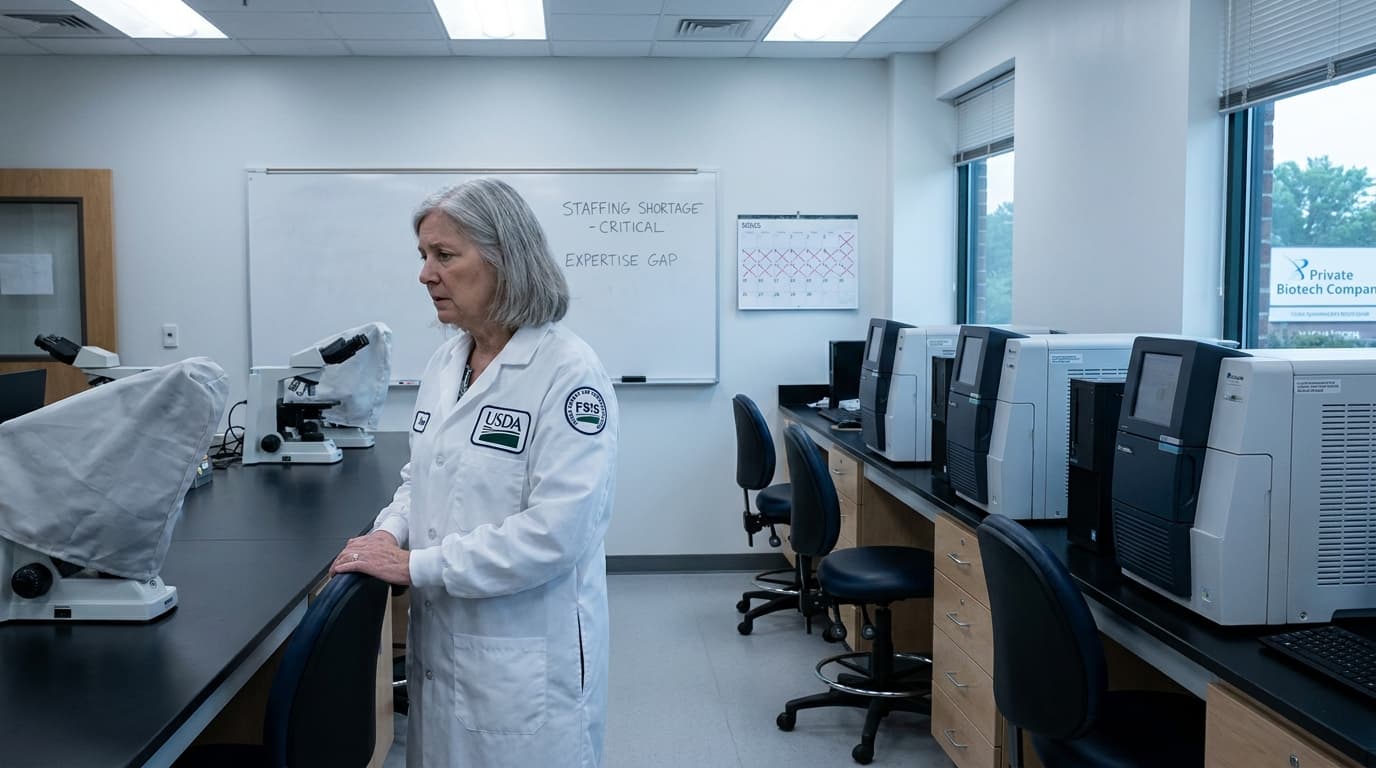
Food Safety Experts Warn of USDA Brain Drain Amid Rising Challenges

The departure of seasoned scientists and inspectors from the USDA is raising alarms in the food safety community. The implications are broad, touching everything from regulatory oversight to public health assurances. This post delves into the causes, consequences, and potential mitigations of this emerging crisis.
The United States Department of Agriculture (USDA), historically a cornerstone agency in food safety oversight, is currently facing a critical brain drain that threatens its operational effectiveness. Recent reports highlight a troubling trend where key experts within the USDA are departing at an accelerating pace, creating vacuums in expertise that are difficult to fill.
This brain drain is not occurring in isolation; it is linked to a confluence of factors including increased attrition, challenges in recruiting young scientists, and competitive pressures from private sector entities that can offer more attractive compensation packages. Additionally, evolving regulatory complexities and resource constraints exacerbate the difficulty for the USDA to maintain a strong, experienced workforce.
Experts in the field warn that the fallout from this brain drain could be severe. The USDA plays an integral role in protecting public health through regulatory inspections, foodborne pathogen risk assessments, and the enforcement of food safety standards across the agricultural supply chain. The loss of experienced personnel undermines these functions, potentially increasing the risk of lapses in food safety controls.
Moreover, the USDA’s diminished capacity may stymie innovation in surveillance technologies, risk assessment methodologies, and data-driven approaches to food safety management. As the food system grows more complex with globalization and technological advances, expertise becomes even more critical.
Recovery from this brain drain will require strategic investment in workforce development, competitive hiring incentives, and robust training programs. Collaboration with academic institutions to create clear career pathways in food safety science could help replenish the pipeline of talent. Policy reforms may also be needed to enhance the USDA’s agility in responding to emerging risks.
The broader public health community must stay vigilant and engaged to advocate for solutions that preserve the integrity of food safety infrastructure. While the challenge is significant, it also presents an opportunity to modernize and strengthen the agency for contemporary and future demands.
This developing situation emphasizes the urgent need for continued dialogue, research, and investment into the critical human capital that underpins America’s food safety system.
For more details on this emerging issue, reference the full report at STAT News.
Join the BioIntel newsletter
Get curated biotech intelligence across AI, industry, innovation, investment, medtech, and policy delivered to your inbox.