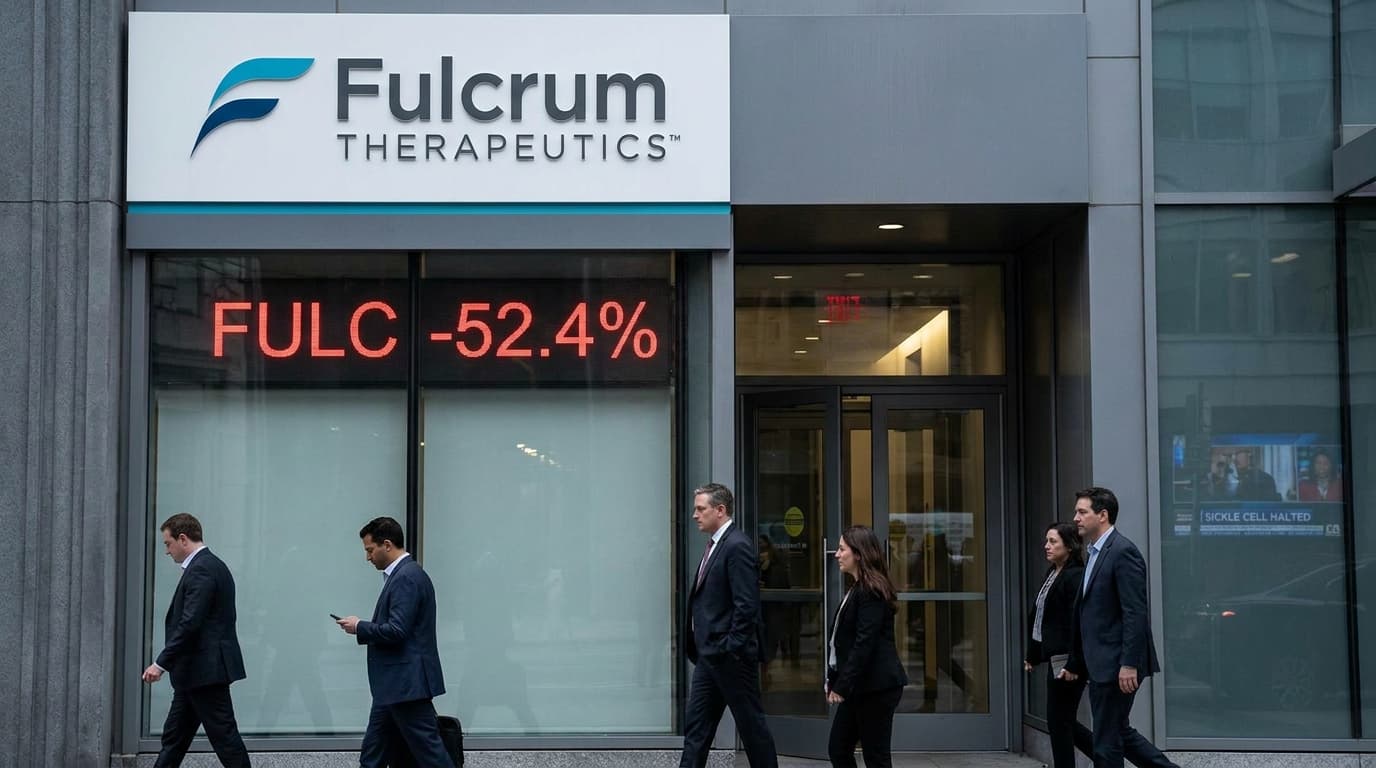
Fulcrum Therapeutics Discontinues Sickle Cell Asset Amid Cancer Concerns, Triggers Business Reorganization

In a striking development within the biotech sector, Fulcrum Therapeutics halted development of its lead candidate amid concerns about secondary malignancies linked to similar drugs. The company's decision comes in the wake of regulatory actions against a competitor, underscoring the challenges in balancing therapeutic potential and patient safety.
Fulcrum Therapeutics Faces Major Setback Over Cancer Risks in Sickle Cell Program
Fulcrum Therapeutics encountered a turning point late Tuesday as it ceased development activities for its lead sickle cell asset due to mounting concerns about cancer risks observed in similar drugs belonging to the same therapeutic class. This strategic decision has precipitated an immediate and significant business reorganization, reverberating through its operations and investor confidence.
The Catalyst: Secondary Malignancy Concerns
The decision follows a precedent where Ipsen’s Tazverik, a drug within the same class, was withdrawn from the market in March because of emerging evidence showing associations with secondary malignancies. Such safety concerns are critical in the development of therapeutics targeting complex diseases like sickle cell anemia, where the risk-benefit balance must be carefully calibrated.
Impact on Fulcrum’s Financial and Strategic Posture
Following the announcement, Fulcrum's stock price plunged over 50% in early trading, signifying investor apprehension about the company’s future trajectory. The halted development not only stalls potential treatment avenues for sickle cell disease patients but also affects the company’s pipeline and long-term viability.
Broader Implications for Biopharmaceutical Development
This event highlights the inherent challenges pharmaceutical companies face when advancing novel therapies within drug classes carrying emerging safety issues. The careful scrutiny by regulatory bodies, such as the FDA, alongside vigilant post-market surveillance, indicates an evolving landscape that insists on rigorous safety standards.
It also underscores the difficult decisions companies must make when confronted with data that question the safety profile of their products. Balancing innovation with patient safety continues to be a cornerstone of responsible drug development.
Business Reorganization: Navigating Uncertain Waters
In response to these developments, Fulcrum is initiating a business reorganization aimed at refocusing its resources and pipeline efforts. While detailed plans have yet to be disclosed, such reorganizations typically involve strategic realignment of research priorities, potential workforce restructuring, and reevaluating investment strategies.
Conclusion
Fulcrum Therapeutics’ pause in its sickle cell program due to cancer risk concerns is a critical case study reflecting the dynamic nature of biopharmaceutical development. It serves as a cautionary tale about the complexities in drug safety assessment and the financial and scientific repercussions companies endure when critical safety signals surface.
For more detailed information on Fulcrum Therapeutics’ recent developments, please visit the original coverage at BioSpace.
Join the BioIntel newsletter
Get curated biotech intelligence across AI, industry, innovation, investment, medtech, and policy delivered to your inbox.