Inside Genentech’s R&D Layoffs: Signals of Restructuring and Industry Uncertainty

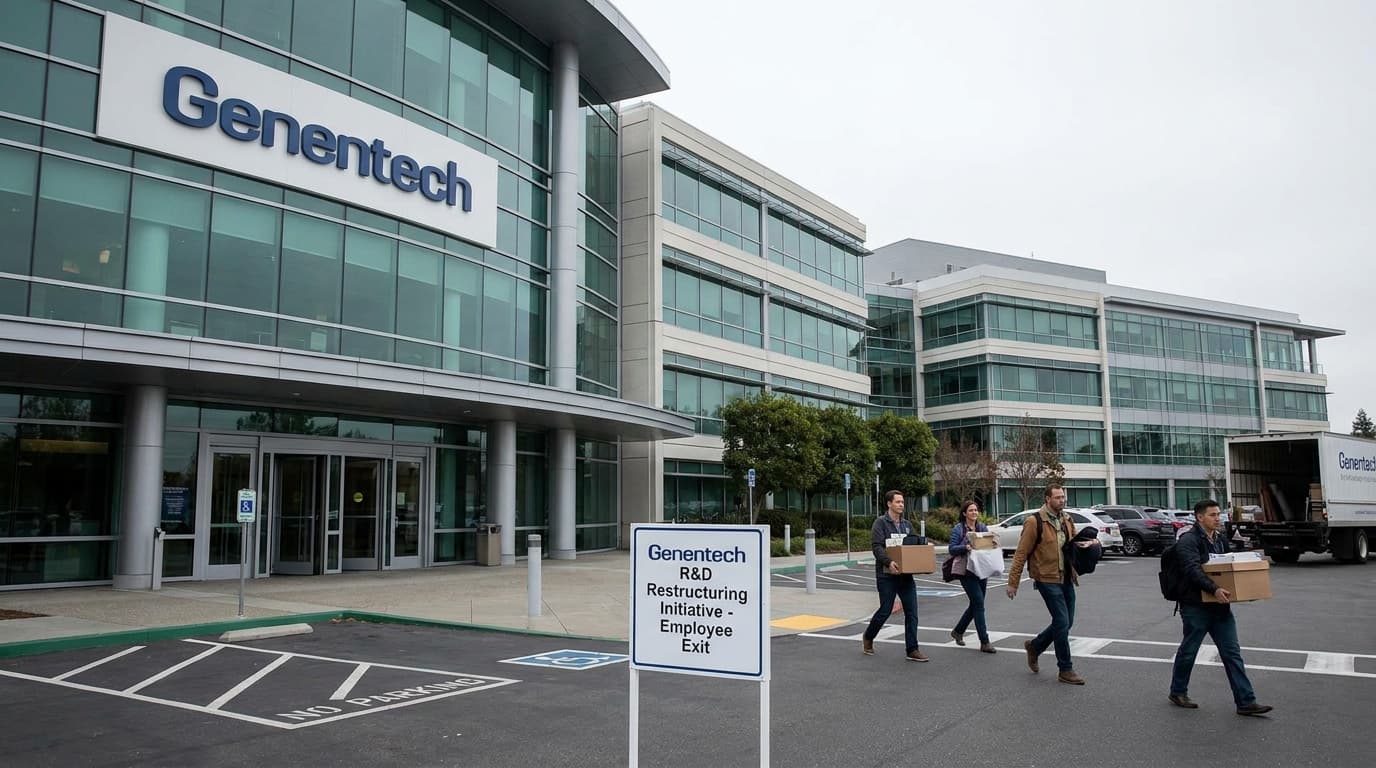
The pharmaceuticals industry continues to see considerable turbulence, with Genentech’s recent R&D cuts marking both a significant internal realignment and a snapshot of wider sector volatility. Analyzing layoffs, restructuring strategies, and industry response, this in-depth look connects the dots on what these moves mean for Genentech, its workforce, and the future of pharmaceutical research and development.
Background: Genentech and the Evolution of Pharmaceutical R&D
Genentech, widely regarded as a pioneer in the field of biotechnology and pharmaceutical research, has been at the forefront of drug development for decades. However, as innovation cycles accelerate and the competitive pressures on big pharma increase, even leaders like Genentech are not immune to sector-wide volatility. The recent wave of layoffs in Genentech’s R&D division—which includes the departure of a veteran executive who had been with the company nearly 30 years—marks a pivotal moment, both for the company and the larger industry ecosystem.
The Layoff Tracker: Understanding the Scope
BioSpace’s ongoing layoff tracker has documented a steady stream of job cuts and restructuring initiatives across the pharmaceutical and biotech sectors. Genentech’s decision to implement staffing changes within its R&D operations adds to a growing list of companies seeking to rebalance resource allocation and adapt to new economic realities. While specific figures remain undisclosed, the impact is far-reaching. The loss of long-serving leadership brings both operational and cultural shifts—potentially redefining the company’s approach to scientific discovery, clinical development, and collaborative innovation.
Organizational Realignment: Focusing on Strategic Priorities
According to statements from Genentech, the focus of these staffing changes is to “focus resources on work that creates the highest impact for patients.” This language underscores an industry-wide movement toward more strategic, outcomes-driven research and development. In an environment marked by escalating R&D costs and heightened payer scrutiny, pharmaceutical firms are finding it necessary to recalibrate project portfolios, shelving lower-priority assets to concentrate on those with the strongest potential for near-term clinical and commercial success.
This pivot is often accompanied by staff reductions—especially in legacy programs with unclear trajectories—as well as by internal reorganization designed to enhance operational efficiency. Such realignment may also involve increased collaboration with external innovators, investment in digital technologies, and the appointment of new leaders who can navigate the intersection of science, business, and regulatory policy.
Ripple Effects: Culture, Retention, and Knowledge Transfer
Layoffs in R&D, while not uncommon, have profound and sometimes unpredictable effects. The departure of a senior executive—especially a company veteran—can set off waves of uncertainty throughout an organization. Remaining staff must adapt not only to changed priorities and possibly heavier workloads, but also to new leadership styles and expectations. There is also a risk of “brain drain,” as institutional knowledge accumulated over decades walks out the door. Such transitions test an organization’s retention strategies and its ability to preserve critical know-how amidst a shifting landscape.
Industry Context: Broader Pharmaceutical Sector Trends
It is essential to situate Genentech’s restructuring within a much larger set of industry dynamics. The post-pandemic world has presented biopharma with a suite of challenges: supply chain delays, fluctuating demand, inflationary pressures, and evolving regulatory requirements. Investors and stakeholders are increasingly demanding operational discipline and financial prudence. Against this backdrop, layoffs are not merely cost-cutting exercises, but strategic recalibrations intended to future-proof companies for an era of leaner pipelines, faster development cycles, and increased accountability.
Recent years have also seen biopharma firms grappling with talent shortages, a growing reliance on contract research organizations, and an intensified focus on therapeutic areas such as oncology, immunology, and rare diseases. Organizational reshuffles are part of a broader trend toward specialization, agility, and cross-functional integration.
The Human Impact: Employees and the Innovation Ecosystem
While the conversation often centers on strategic outcomes, it is vital to acknowledge the profound human impact of layoffs within R&D. Employees—many of whom are highly specialized scientists, clinicians, and regulatory professionals—face job insecurity, career disruption, and, in some cases, the challenge of scaling back or redirecting hard-won research efforts. At the micro level, layoffs can strain morale, erode trust in leadership, and compromise team cohesion.
At the systemic level, however, these disruptions can also enable new forms of innovation. Displaced professionals may bring their expertise to startups, academia, or contract research organizations, contributing to a more distributed and flexible innovation ecosystem. In some cases, industry shakeups can even foster the emergence of new ideas, business models, and collaborative networks.
Corporate Strategies: Navigating a New Normal
Genentech’s strategy of focusing on “highest-impact” projects mirrors a larger trend towards portfolio optimization. Pharmaceutical leaders are increasingly using advanced data analytics to identify projects that are most likely to succeed, scaling back on those with limited commercial or clinical promise. This data-driven approach can drive investment in priority areas, such as next-generation biologics, cell and gene therapies, and precision medicine.
The accompanying reduction in headcount may be painful in the short term, but proponents argue it is necessary for ensuring long-term competitiveness in a crowded, capital-intensive field. Strategic partnerships, open innovation models, and targeted hiring for new skillsets—including digital and AI expertise—are all being deployed to supplement internal capabilities.
The Future of R&D: From Consolidation to Reinvention
Industry observers note that R&D layoffs are not always indicative of decline—in some cases, they signal a pivot towards reinvention and bold new approaches. Successful pharmaceutical companies of the future will likely be those that can combine organizational resilience with scientific creativity, supporting their talent through change while fostering a culture of risk-taking and continuous improvement.
As Genentech, and the broader sector, recalibrates for this next chapter, both opportunities and uncertainties abound. The challenge will be to retain critical talent, preserve a culture conducive to breakthrough innovation, and remain agile in the face of evolving scientific and market realities.
Conclusion
Genentech’s R&D layoffs and executive departures provide a vivid snapshot of the turbulence and transformation shaping the pharmaceutical industry in 2026. These decisions—while difficult—reflect profound shifts in how R&D value is measured, delivered, and scaled. For industry professionals, investors, and observers alike, tracking such developments offers valuable insight into where the next wave of innovation may emerge—both within Genentech and across the ever-evolving landscape of global biopharma.
Join the BioIntel newsletter
Get curated biotech intelligence across AI, industry, innovation, investment, medtech, and policy delivered to your inbox.