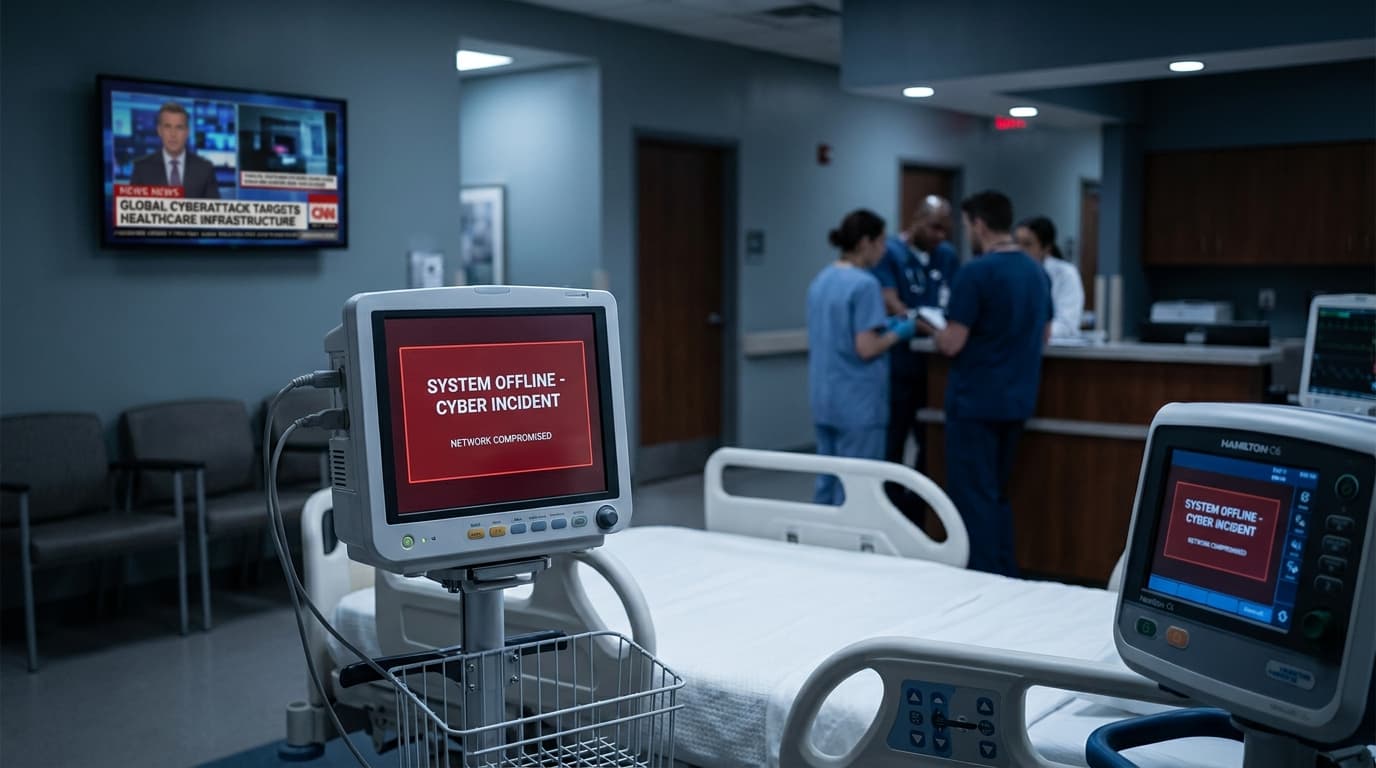
When Geopolitics Becomes a Patient Safety Issue: Protecting Healthcare in an Era of Targeted Cyberattacks

As healthcare organizations adapt to new threats, the motivations of adversaries change. No longer are healthcare systems simply targeted for ransom; they are increasingly at risk from actors seeking chaos, disruption, and systemic harm, often motivated by geopolitical tensions. This shift underscores the pressing need for preparedness and resilience in hospital and public health IT systems.
Introduction
In recent years, the intersection of geopolitics and healthcare cybersecurity has become more pronounced and concerning. Healthcare providers, from small clinics to major hospital systems, are contending with cyberattacks that extend far beyond traditional cybercrime. Increasingly, attacks are motivated not by financial gain but by a desire to sow chaos, destabilize societies, and influence broader geopolitical outcomes. This presents novel risks to patient safety, as cyberattacks can potentially disrupt care delivery, compromise sensitive patient data, and undermine trust in public health systems.
Evolving Motivations: From Ransom to Chaos
Historically, healthcare organizations have been frequent targets for financially motivated cybercriminals. The sector possesses vast stores of personal information and is seen as relatively vulnerable due to underinvestment in IT security. However, as highlighted by MedCity News, "The adversaries targeting critical infrastructure today are not always chasing a ransom. Sometimes, they are chasing chaos. That distinction matters." In many cases, nation-state actors and cyberterrorists now target healthcare systems to create systemic instability, pressure political leadership, or exacerbate public fear during crises such as pandemics.
Impact on Patient Safety
Cyberattacks targeting hospitals and health networks have already led to canceled surgeries, delayed patient care, and unauthorized exposure of sensitive health data. The risks go far beyond financial disruptions:
- Clinical Disruptions: Attacks on hospital IT can cripple communication systems, shut down electronic health records, and interfere with essential devices such as infusion pumps or imaging equipment. In severe cases, this can result in direct harm to patients when diagnoses or treatments are delayed or disrupted.
- Data Integrity Risks: The tampering of medical data could have catastrophic consequences, including misdiagnoses and inappropriate treatments.
- Public Confidence: Persistent attacks may erode public confidence in healthcare institutions and governmental health agencies, ultimately affecting willingness to seek care or comply with public health initiatives.
The Geopolitical Dimension
Cyberattacks on healthcare are increasingly intertwined with broader geopolitical dynamics. During times of heightened international tension, healthcare systems often become targets for nation-state actors. These attacks may seek to undermine a rival nation’s social fabric or create operational challenges during public health emergencies. As geopolitical tensions rise globally, healthcare institutions must recognize their newfound position on the digital frontlines.
Case Examples
A growing number of high-profile cases underscore the scope of this threat:
- During the COVID-19 pandemic, several countries reported state-sponsored efforts to steal vaccine research or disrupt pandemic response operations.
- Hospitals in conflict regions have experienced targeted ransomware attacks that force them offline for days or weeks, severely impacting care.
- Public health agencies have warned about threats against vaccine supply chains, contact tracing systems, and critical medical supply logistics.
Are Healthcare Systems Prepared?
Despite these threats, the article notes, "most healthcare organizations are not yet prepared for it." While some major health systems have invested in cybersecurity infrastructure, many smaller providers and public health entities lack the necessary resources or expertise. Preparedness varies widely, with notable gaps in the following areas:
- Budget and Resources: Competing priorities can leave cybersecurity underfunded compared to clinical needs.
- Awareness: Many healthcare leaders remain unaware of the sophistication and intent of potential cyber adversaries.
- Incident Response: Few organizations have robust plans in place for responding to disruptive cyber incidents that directly threaten patient safety.
- Training and Culture: Cybersecurity remains siloed from the broader culture of patient safety, despite overlap in their impacts.
Regulatory and Policy Responses
Policymakers and regulators are beginning to respond, recognizing that the threat is no longer just financial but existential to healthcare operations. Regulatory bodies are introducing new mandates for minimum cybersecurity standards, mandatory breach reporting, and incident preparedness for healthcare organizations. International cooperation is also emerging as countries confront the transnational nature of cyber threats.
Building Resilience: What Healthcare Organizations Must Do
To address this evolving threat landscape, healthcare organizations must take a comprehensive and strategic approach:
- Integrate Cybersecurity into Patient Safety: Cybersecurity should be seen as an essential element of quality care and patient protection.
- Invest in Risk Assessment and Incident Response: Regular, rigorous risk assessments must be paired with incident response plans that are as detailed and practiced as those for fires or mass casualty events.
- Educate Staff and Leadership: Board members, clinicians, and administrative leaders require education on the new motivations and tactics of cyber adversaries.
- Collaborate Broadly: Healthcare providers should engage in information sharing and joint exercises with industry peers, public health authorities, and national cybersecurity agencies.
- Build for Resilience, Not Just Prevention: Recognizing that attacks will occur, organizations should focus on redundancy, recovery, and the ability to maintain critical operations during prolonged crises.
International Implications and the Role of Global Governance
The geopolitical aspect of healthcare cyber threats calls for multilateral cooperation. This could manifest as global treaties on non-aggression toward critical infrastructure, coordinated law enforcement action, and international standards on health sector cybersecurity. However, the rapid evolution of threat actors and technologies presents ongoing policy challenges.
Looking Forward: The Urgency of Now
The acceleration of cyber threats in the context of geopolitical competition demands immediate attention. Healthcare leaders must respond decisively to the reality that patient safety and public health now depend as much on digital defense as on clinical expertise. Failure to act could have profound consequences for individuals and society at large.
Conclusion
As we confront an era where geopolitics and cyber threats merge to endanger patient safety, it is essential for healthcare organizations and policymakers to rise to the challenge. Building resilience, fostering vigilance, and investing in integrated cybersecurity are no longer optional—they are fundamental to the continued safe provision of healthcare. Continued neglect will not merely invite disruption; it will endanger lives.
Source: MedCity News
Join the BioIntel newsletter
Get curated biotech intelligence across AI, industry, innovation, investment, medtech, and policy delivered to your inbox.