Healthcare AI’s Next Frontier: Enhancing Patient Comprehension in Radiology

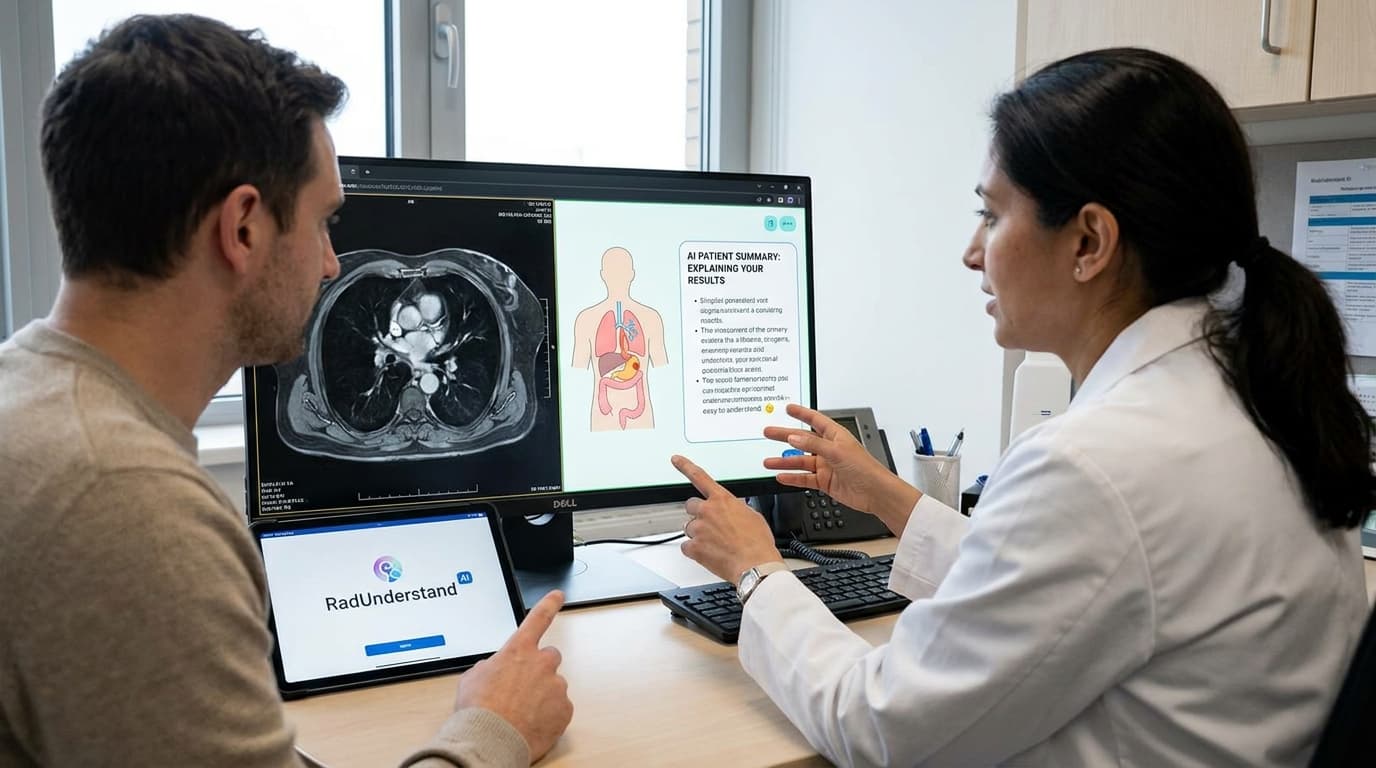
The application of artificial intelligence in healthcare continues to evolve, particularly in radiology, where AI technologies are revolutionizing image analysis. Beyond diagnostics, the introduction of a patient comprehension layer powered by AI has the potential to facilitate clearer communication of complex medical information.
Artificial intelligence (AI) has ushered in notable advances within the field of radiology, enabling unprecedented accuracy and efficiency in image analysis. As the technology matures, industry and clinical experts have begun to explore not only how AI can aid physicians but also how it can be employed to improve patient understanding of radiological information.
Traditionally, radiology reports are detailed and highly technical, often difficult for patients without medical expertise to interpret. This can create a communication gap, leading to confusion, anxiety, and sometimes delayed follow-up care.
Emerging AI solutions aim to bridge this divide by developing "translation layers" that convert complex imaging data and medical jargon into clear, patient-friendly explanations. This approach will enhance the patient experience by providing actionable insights in a comprehensible format, promoting informed decision-making and fostering trust between patients and healthcare providers.
The potential of AI in this context transcends the capabilities of autonomous diagnostic systems, which automatically detect anomalies or pathologies. While these systems improve clinical workflows, their impact is limited without adequate patient engagement.
By integrating patient comprehension layers into radiology workflows, healthcare systems can achieve several benefits:
-
Improved Patient Education: AI-driven explanations tailored to individual patient contexts can demystify medical diagnoses and treatment options.
-
Enhanced Adherence: Understanding the significance of findings may encourage patients to comply with recommended treatments or screening schedules.
-
Reduced Anxiety: Clear communication has been shown to alleviate patient stress associated with uncertainty around medical results.
-
Empowerment: Informed patients are better equipped to participate actively in their healthcare decisions, leading to improved health outcomes.
While promising, the implementation of AI-based patient comprehension tools requires careful consideration of data privacy, accuracy, and the avoidance of oversimplification. Collaboration among radiologists, AI developers, and patient advocates is essential to develop solutions that are both clinically valid and user-friendly.
Moreover, AI systems should provide culturally sensitive communication and be accessible to people with varying educational backgrounds and health literacy levels.
Investment in this space reflects the healthcare industry's broader shift toward patient-centered care and digital health innovation. As AI integrates more deeply into medical practice, its role in facilitating understanding and enhancing the patient-provider relationship is poised to become increasingly significant.
In conclusion, the evolution of AI in radiology extends beyond diagnostic enhancement toward fundamentally improving how patients receive and process critical health information. This next layer of AI application promises to transform medical imaging from a purely clinical task to a collaborative communication tool.
Reference: The Next Useful Layer in Radiology AI is Patient Comprehension
Join the BioIntel newsletter
Get curated biotech intelligence across AI, industry, innovation, investment, medtech, and policy delivered to your inbox.