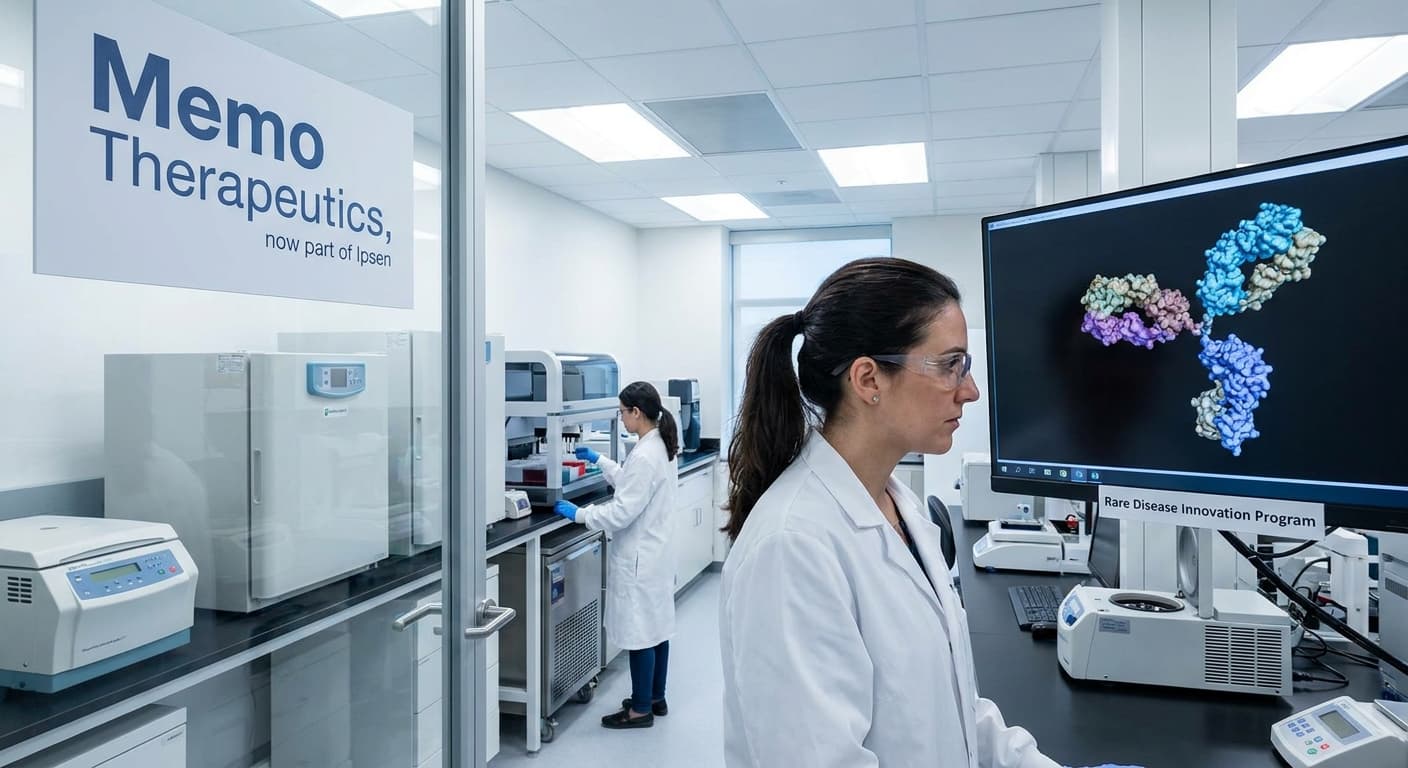
Ipsen Acquires Memo Therapeutics in Up to $796 Million Deal, Signaling Momentum in Rare Disease Innovation
The biopharmaceutical landscape continues to see vigorous acquisition activity in the rare disease space, with Ipsen initiating its second major buyout in a single week. This article explores the strategic importance and broader industry context of Ipsen’s $796 million agreement to acquire Memo Therapeutics and its promising monoclonal antibody program. The move reflects persistent enthusiasm for rare disease innovation and the ongoing drive for portfolio expansion through M&A.
Ipsen’s $796 Million Buyout of Memo Therapeutics: Rare Disease M&A Trends and Industry Implications
Introduction
The biotech and biopharmaceutical sectors remain hotbeds of dealmaking activity as the global demand for breakthrough therapies continues to surge. One notable area of focus in this wave of mergers and acquisitions (M&A) is rare diseases—a field characterized by unmet patient needs, advanced scientific innovation, and attractive regulatory incentives. Ipsen’s up-to-$796 million acquisition of Memo Therapeutics, as reported by BioSpace, stands as a significant indicator of industry momentum and the enduring commercial appeal of advanced biologic assets.
This in-depth analysis provides a comprehensive overview of the transaction, delves into the strategic rationale for Ipsen’s acquisition spree, explores market trends fueling the rare disease therapeutics boom, and situates Ipsen’s latest move within a broader industry context.
Deal Summary: Ipsen Buys Memo Therapeutics
Memo Therapeutics and Its Monoclonal Antibody Program
Memo Therapeutics, a biotech company with a focus on innovative antibody therapeutics, has developed a midstage monoclonal antibody program aimed at addressing challenging rare diseases. Monoclonal antibodies have become a preferred modality for many biotech firms due to their specificity, therapeutic versatility, and the relative ease with which they can be engineered for targeted action.
The acquisition, valued at up to $796 million, marks Ipsen’s second transaction of the week, following a string of competitive M&A activities across the industry. By targeting Memo Therapeutics, Ipsen is considerably strengthening its rare disease pipeline, positioning itself for both near-term clinical readouts and long-term strategic growth.
Financial and Strategic Rationale
Ipsen’s approach mirrors a calculated strategy increasingly common in the sector: to secure clinical programs with promising mid-stage data and the potential for best-in-class outcomes or first-in-class status. Such assets typically attract attention due to:
- Regulatory incentives such as orphan drug status and accelerated approvals
- Higher pricing power in markets with few or no competing therapies
- Lower volumes offset by premium pricing for rare disease treatments
- The ability to leverage smaller, more targeted clinical trials
- Opportunities to expand acquired technology platforms into additional indications
The Memo Therapeutics deal encapsulates these advantages, as Ipsen positions itself to benefit from these economic and clinical trends.
The Rise of M&A in Rare Diseases
Market Drivers
Rare diseases—sometimes called “orphan diseases”—affect millions worldwide but, by definition, impact relatively small patient populations per condition. Historically neglected by major pharmaceutical companies, rare diseases are now among the most competitive and dynamic corners of the biotech landscape due to several drivers:
- Scientific Progress: Advances in genomics, high-throughput screening, and biologic modalities (including monoclonal antibodies) have made it possible for researchers to design treatments for previously intractable diseases.
- Regulatory Environment: Regulatory agencies, including the FDA and EMA, have designed pathways to streamline development and review for rare disease candidates, including granting orphan drug designations, fast track status, and extended market exclusivities.
- Market Exclusivity and Pricing: Therapies for rare diseases are often eligible for longer market exclusivities and are able to command premium prices, offsetting the small patient populations and making them highly attractive from a business perspective.
- Patient Advocacy: Patient advocacy groups have played a key role in driving awareness, accelerating trial recruitment, and shaping regulatory and reimbursement policies.
Recent M&A Activity
Ipsen’s purchase is not an isolated event. Over the past two years, major pharma firms and specialty biotechs have funneled increasing investment into rare disease assets:
- Multiple mega-deals in 2025 and 2026 have centered on biologics and gene therapies for orphan indications.
- Smaller, bolt-on acquisitions like Ipsen’s Memo Therapeutics buyout remain frequent, particularly at the Phase 2 or Phase 3 stage, offering both near-term approval prospects and the option to develop lifecycle management strategies.
- M&As increasingly focus on platform technologies, facilitating expansion into broader pipelines beyond the initially targeted indication.
The Wider Context: Ipsen’s Growth Strategy
Portfolio Diversification
For Ipsen, a mid-sized pharma company with a growing international footprint, acquisitions offer a pathway to diversify its revenue base and position itself at the forefront of scientific innovation. By pursuing companies like Memo Therapeutics, Ipsen can:
- Bolster its internal pipeline with assets that have a clear regulatory and commercial path
- Tap into the robust infrastructure and expertise of the biotech community
- Gain optionality in terms of additional indications or expansion into related therapeutic classes
Few therapeutic areas offer a clearer value proposition for such diversification than rare diseases, which remain relatively insulated from generic competition and pricing erosion due to the complexity of manufacturing and high barriers to entry.
Competitive Pressures
Competition in the rare disease space is intense, not only from small innovator biotechs but increasingly from large, multinational pharmaceutical firms. As therapeutic platforms mature and regulatory ambiguity decreases, the race to secure promising assets has accelerated. The resulting landscape is one in which:
- Companies must move swiftly and decisively to secure high-potential assets
- Valuations are climbing, with buyout premiums reflecting future market potential as well as clinical risk
- The need for differentiated, innovative programs is at an all-time high
Ipsen’s recent spate of deals underscores these realities, aligning with the broader “innovation-first” philosophy now prevailing in biopharma boardrooms.
Unpacking the Memo Therapeutics Asset
Scientific Promise
While full details of Memo Therapeutics’ midstage monoclonal antibody program have not been publicly disclosed, such programs typically target either a novel pathway or present significant differentiation in efficacy, safety, or delivery. The medical and commercial promise of this approach stems from:
- High selectivity and specificity for disease-causing proteins
- Reduced off-target effects relative to traditional small-molecule drugs
- Amenability to biomarker-driven stratification and precision medicine techniques
If successful in later clinical development and regulatory review, the Memo Therapeutics asset could contribute novel therapeutic options for underserved patient groups and drive value for Ipsen and the wider rare disease treatment community.
Integration Plans
Acquisitions of this type usually imply a fairly rapid integration process, with Memo Therapeutics’ key scientific personnel and technical capabilities retained or merged into Ipsen’s R&D operations. This promotes continuity, accelerates trial progression, and ensures that scientific know-how is preserved during the transition from biotech startup to a larger company’s development engine.
Broader Implications for the Industry
Investor Sentiment
With notable deal flow and premium valuations continuing even amid broader economic uncertainty, the biotech investment climate for rare disease and antibody/biologic programs appears strong. Deals like Ipsen’s latest provide reassurance for investors that innovative science is being rewarded and that exits remain attractive for early-stage venture capital and biotech founders.
Challenges Ahead
Even as enthusiasm is high, the field faces perennial challenges:
- Rare disease trials can be hampered by small patient populations and recruitment difficulties.
- Payers and policymakers in global markets will continue to scrutinize high prices for rare-disease therapies, especially as more candidates approach approval.
- The complexity of biologic manufacturing creates obstacles to rapid scale-up and may present supply chain risks.
Conclusion
Ipsen’s acquisition of Memo Therapeutics for a potential $796 million is both a reflection of and a driver for sustained M&A activity in the rare diseases space. Fueled by advances in monoclonal antibody science, favorable regulatory dynamics, and robust market opportunities, deals like this one are likely to persist—and even grow in complexity and value—in the coming years.
For patients, clinicians, investors, and the biopharma industry at large, the Ipsen-Memo deal is a testament to the enduring power of scientific innovation, the strategic imperative to diversify portfolios through targeted acquisitions, and the central role of rare disease research in charting the future of medicine.
Source: BioSpace
Join the BioIntel newsletter
Get curated biotech intelligence across AI, industry, innovation, investment, medtech, and policy delivered to your inbox.