Is It Likely That the WISeR Model Will be Repealed?

The WISeR model remains a lightning rod in federal healthcare policy discussions, with Congressional Democrats taking steps toward repeal. However, a complex interplay of political, industry, and expert opinions raises questions about whether these efforts can succeed, and what it means for the broader healthcare landscape.
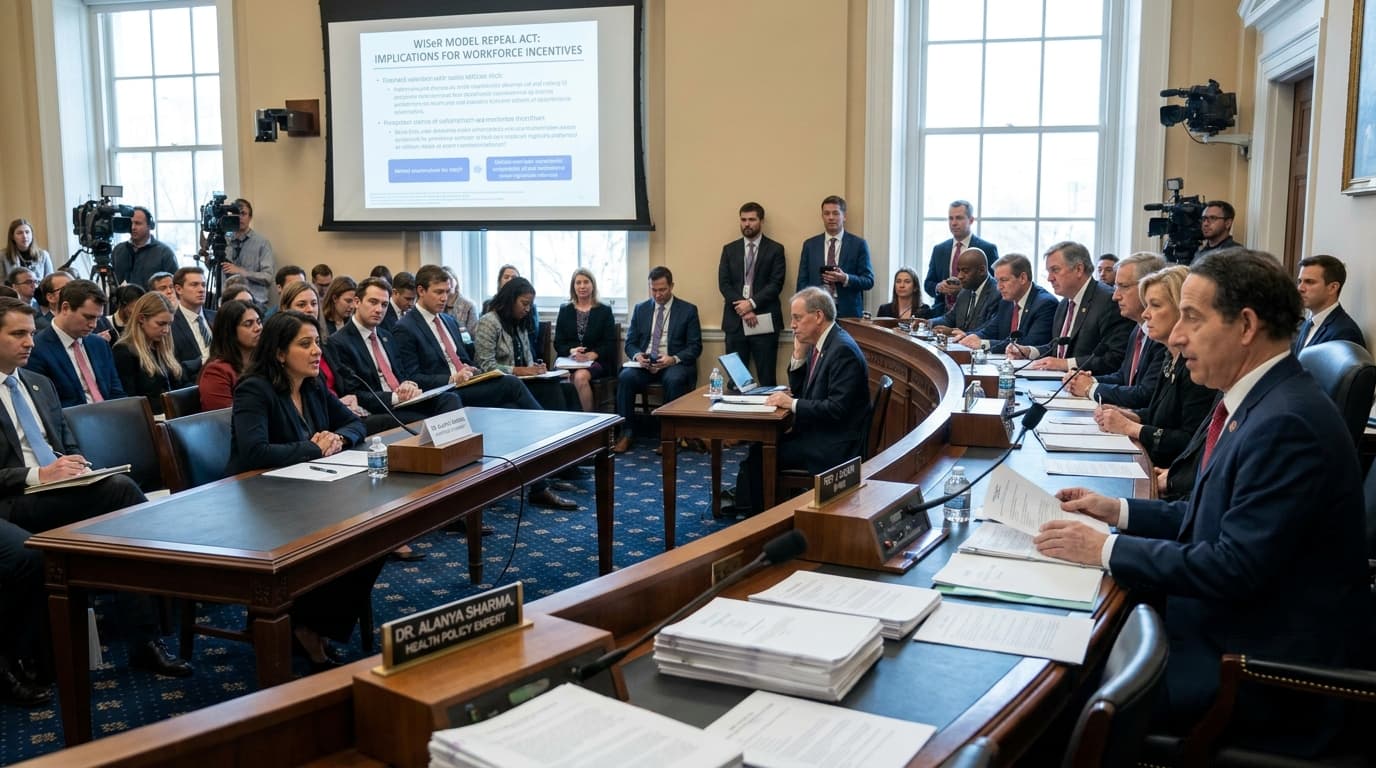
Over the past several years, healthcare policy in the United States has been shaped by an ongoing tension between innovation, access, provider incentives, and the effectiveness of government-led models. The WISeR (Workforce Incentive Structured Reimbursement) Model has emerged at the center of this debate, attracting considerable support and equally significant opposition. Now, with Congressional Democrats seeking to repeal the model in response to continued controversy, the future of the WISeR framework is under intense scrutiny. Experts across policy, academia, and practice remain divided on the likelihood that these repeal efforts will actually succeed.
Understanding the WISeR Model
The WISeR model, introduced as an alternative approach to provider reimbursement, sought to align healthcare payments with workforce development and outcomes. While its original intent focused on incentivizing better care delivery and addressing systemic shortages, critics have argued that the implementation has been burdensome and misaligned with frontline realities. Proponents contend that WISeR gives much-needed structure to provider incentives, particularly in specialties and geographic regions where recruitment and retention have been persistent challenges.
Congressional Efforts and Political Dynamics
The most recent push to repeal WISeR has come from Congressional Democrats, who cite ongoing feedback from stakeholders frustrated with the bureaucracy and perceived inefficacy of the model. Repeal bills have been drafted, and committee discussions reflect a range of opinions from outright support for ending WISeR, to appeals for reform over removal.
However, the path to repealing a federal healthcare model is seldom straightforward. Legislative maneuvering, committee reviews, public hearings, and negotiation with the Senate all play significant roles in shaping the policy fate of WISeR. There is an ongoing debate about replacement mechanisms—should a repeal go through—that would fill the gap left by the model's removal, particularly for areas where the workforce shortage remains an acute problem.
The Expert Divide: Will Repeal Efforts Succeed?
Healthcare policy experts remain divided, their perspectives informed by political analysis, prior legislative precedent, and current patterns of partisanship. Some analysts argue that previous models—such as the transition from fee-for-service to value-based reimbursement—were similarly contested, but ultimately found their place after multiple rounds of amendment and advocacy. These experts posit that WISeR may be more likely to face revision than wholesale repeal, given the administrative inertia and investments already made in the program’s infrastructure.
Others note that the current political landscape, characterized by closely divided chambers and a contentious election year, adds layers of complexity to the legislative process. According to congressional watchers, even with Democratic leadership driving the repeal effort, there remains uncertainty about whether enough votes could be mustered to get a repeal through both houses of Congress, much less signed into law by the President.
Stakeholder Impacts: Providers, Patients, and State Leadership
The ramifications of repealing WISeR reach beyond the Capitol. Health systems, individual providers, insurers, and state medical boards are all watching closely. For providers who have already structured hiring and retention strategies around WISeR incentives, abrupt changes could create disruption. Patients—especially those in underserved or rural communities—could also see a ripple effect, as shifting incentives and policy approaches impact where care is available and how it is delivered.
State policymakers and Medicaid directors, for their part, have issued position papers and testimonies advocating for stability over change, arguing that every major payment model shift leads to a period of adaptation that can be detrimental to access, outcomes, and institutional sustainability.
Policy Analysis: Possible Outcomes and Broader Implications
While the direct outcome of the current repeal initiative remains uncertain, several plausible scenarios are on the table:
- Outright Repeal: Congress passes a clean repeal bill, removing WISeR and relying on legacy or new programs to fill the gap. Such action could spark urgent efforts to design interim solutions, but risks a vacuum in workforce incentives.
- Targeted Reform: Lawmakers opt for targeted amendments, keeping core components of WISeR but addressing areas identified as most problematic (e.g., reporting burdens, alignment of incentives, or eligibility criteria).
- Stalemate and Status Quo: Political gridlock prevents any significant action, leaving the model largely as-is until after major political shifts or further administrative rulemaking.
The prospect of repeal—or even the process of debating it—has significant implications for future healthcare innovation and payment policy, influencing the willingness of payers and providers to participate in pilot programs, and setting the tone for how federal health authorities pursue large-scale reform.
Broader Context: The Role of Innovation in Healthcare Models
The WISeR debate also serves as a microcosm of broader disputes within U.S. healthcare regarding the right balance between regulatory oversight and innovation. While the aims of such models are to solve enduring problems—such as provider shortages and uneven access—incentive frameworks can have unintended consequences. Policymakers are challenged to balance empirical evidence, stakeholder feedback, and logistical feasibility.
In Washington, it is well understood that even models with documented shortcomings can be difficult to uproot, particularly when regional or specialty-specific interests lobby for their continuation or reform. Repeal, therefore, is as much about coalition-building and messaging as it is about documented policy results.
Looking Ahead
The coming months are likely to feature continued testimony before congressional committees, analysis of WISeR’s measurable outcomes, and possibly, formation of bipartisan working groups aimed at consensus-building. Health system leaders will be monitoring for clarity, as even uncertainty surrounding a possible repeal can hinder recruitment, contract renegotiations, and investments in training.
Ultimately, the degree to which congressional Democrats can shepherd a repeal through a divided legislature will depend as much on public sentiment as on intra-party consensus. Policymakers, analysts, and healthcare executives alike recognize that whatever happens with WISeR, the debate signals broader unrest in how America structures its provider payment and workforce incentive models.
For more detailed analysis as new developments emerge, and to track congressional hearings and evolving expert opinion, continue following updates from MedCity News and other trusted health policy sources.
Source: MedCity News - Is It Likely That the WISeR Model Will be Repealed?
Join the BioIntel newsletter
Get curated biotech intelligence across AI, industry, innovation, investment, medtech, and policy delivered to your inbox.