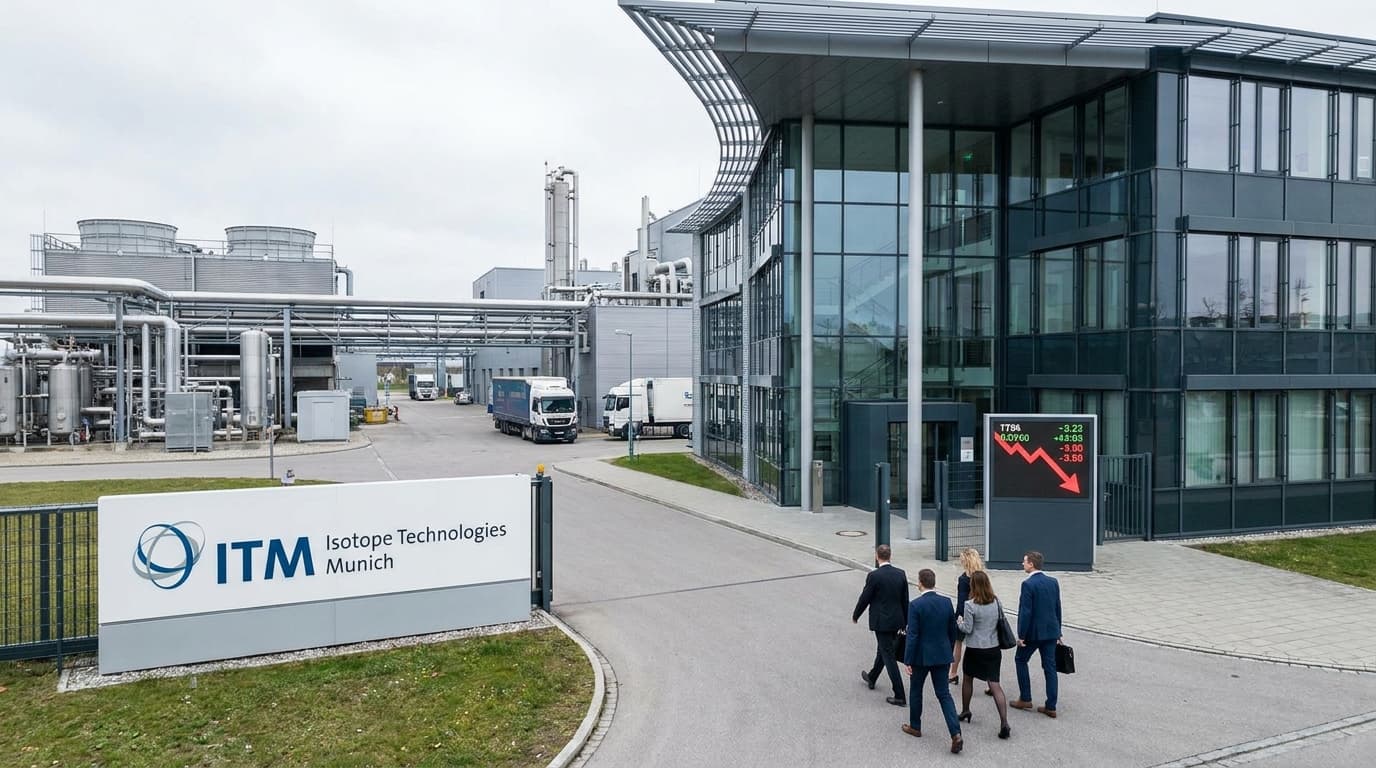
ITM Isotope Technologies Gets FDA Rejection For ITM-11, Delaying A Novartis Rival In GEP-NETs

ITM Isotope said the FDA is unable to approve the NDA for 177Lu-edotreotide in its present form because of CMC- and third-party commercial facility-related items. The company said the agency did not identify clinical safety or efficacy issues and that it plans to resubmit the application.
The FDA has rejected ITM Isotope Technologies’ new drug application for 177Lu-edotreotide, also known as ITM-11, a radiopharmaceutical for gastroenteropancreatic neuroendocrine tumors, according to a company release issued Monday. The agency sent a complete response letter last week and said the application could not be approved in its present form.
According to ITM, the letter cited chemistry, manufacturing and controls issues as well as items related to a third-party commercial facility inspection. The company said the FDA did not identify any clinical safety or efficacy issues with the candidate, which makes this a manufacturing-driven delay rather than a rebuke of the trial package itself.
The Data
ITM-11 had been positioned as a potential competitor to Novartis in radiopharmaceuticals. In the Phase 3 COMPETE study, ITM said the therapy beat everolimus, sold as Afinitor among other names, on progression-free survival in patients with advanced gastroenteropancreatic neuroendocrine tumors.
STAT reported that ITM said in March 2025 that patients with the earliest forms of this cancer who received ITM-11 infusions lived for 23.9 months without their tumors growing, compared with a median 14.1 months for patients taking everolimus. Those figures help explain why the rejection landed as a surprise for a program that had been seen as commercially relevant, not merely scientifically interesting.
Why The Setback Matters
For ITM, the immediate issue is execution, not apparent clinical viability. CEO Andrew Cavey said the company remains confident in ITM-11’s therapeutic potential and intends to work with the FDA and partners to address the items in the complete response letter. ITM also said it plans to resubmit the NDA.
The broader signal is familiar in radiopharmaceuticals: even when efficacy appears competitive, manufacturing and external facility readiness can still determine timing. That is especially important in modalities that depend on specialized production and supply chains. A regulatory file can remain blocked even when the sponsor says its pivotal data package stands.
The complete response letter was not yet listed in the FDA’s published repository. BioSpace noted that the agency has said it is continuing its “radical transparency” initiative of publishing complete response letters soon after delivery, despite a citizen petition filed earlier this year questioning the legality of that effort. The FDA had initially said it would pause publication before later posting several letters.
For now, ITM’s path is clearer than its timeline: fix the manufacturing and third-party facility issues, then return to the FDA with a resubmission.
Join the BioIntel newsletter
Get curated biotech intelligence across AI, industry, innovation, investment, medtech, and policy delivered to your inbox.