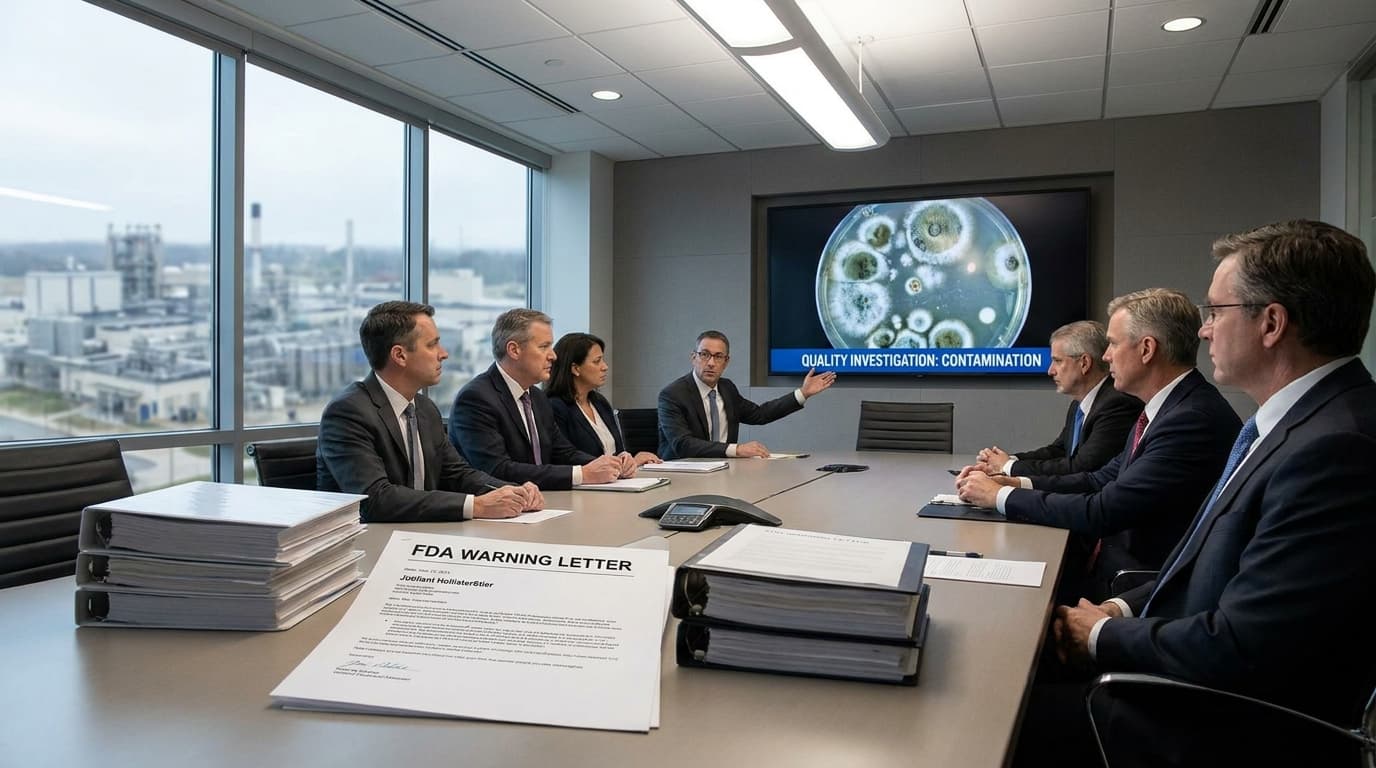
Jubilant HollisterStier Faces FDA Rebuke Over Quality and Investigation Lapses: A Deeper Look at Regulatory Risks in Contract Manufacturing

Jubilant HollisterStier recently received a formal warning letter from the US FDA over a series of lapses—including delayed investigation into mold contamination and broader quality unit shortfalls—compelling the company to reassess practices across global operations. This incident lays bare the ongoing high stakes in regulatory compliance for the contract manufacturing sector and offers key insights into the enduring challenges faced by organizations providing essential drug supply services.
Introduction
The biopharmaceutical supply chain is fundamental to the reliable delivery of medicines worldwide. At its core, the contract manufacturing sector plays a vital role by producing drugs and biologics on behalf of both established and emerging biopharma firms. In this high-stakes space, robust internal quality systems are non-negotiable, and regulatory compliance is a key pillar of organizational stability and brand credibility. Recent enforcement action by the U.S. Food and Drug Administration (FDA) against Jubilant HollisterStier—a well-known contract manufacturing organization (CMO)—provides a stark illustration of what is at risk when quality systems falter.
According to recent reporting, Jubilant HollisterStier has been issued a warning letter from the FDA, raising urgent questions around the company’s delayed response to a mold contamination event and general shortcomings within its quality unit. These concerns have prompted regulators to demand a thorough, immediate, and comprehensive review of the company’s global operations.
The FDA Warning Letter: Details and Implications
Background
Jubilant HollisterStier, as a CMO, supports a wide portfolio of clients, ranging from large pharmaceutical players to smaller biotech innovators. Maintaining continuous, rigorous compliance with current Good Manufacturing Practices (cGMP) is therefore essential not only for regulatory approval but also for ensuring patient safety and drug product integrity.
The FDA’s warning letter reportedly stems from two primary concerns:
- Delayed Investigation of Mold Contamination: Any instance of contamination in a drug manufacturing facility is a serious event requiring immediate and robust investigation. The presence of mold—a potential threat to sterility, quality, and ultimately patient safety—necessitates prompt, transparent documentation and remediation.
- Quality Unit Lapses: The quality unit within any manufacturing organization is tasked with oversight of cGMP compliance. Lapses in this area may include inadequate documentation, insufficient root cause analysis, delayed corrective actions, or flawed communication protocols. The FDA’s demand for an immediate, holistic reassessment suggests it identified systemic weaknesses.
Regulatory Enforcement: Consequences and Mandates
An FDA warning letter is a significant escalation in the regulatory process, typically served when earlier notifications or Form 483 observations have not led to sufficient corrections. Receipt of such a letter carries immediate consequences:
- Requirement to respond rapidly and thoroughly with detailed corrective and preventive actions (CAPAs).
- Increased scrutiny and follow-up inspections from the FDA.
- Potential restrictions on manufacturing operations, distribution of products, or acceptance of new business until remediation is satisfactorily demonstrated.
For Jubilant, this means a painstaking, top-down review of manufacturing, quality assurance, and compliance controls across its global sites. Failure to remediate could ultimately jeopardize contracts or eligibility to supply regulated markets.
Larger Lessons for the Contract Manufacturing Industry
The High Bar for CMOs
CMOs have always operated under tight scrutiny, given the multiplicity of products, clients, and processes handled. In recent years, the complexity of modern biologics and advanced therapies only heightens these challenges. Warning letters not only risk the immediate business but can reverberate across partnerships and client confidence.
Moreover, biopharmaceutical clients subject their CMOs to additional diligence. A warning letter or other regulatory action can cause cascading effects—triggering partner audits, insurance reviews, or even legal and financial liability if supply chain disruptions occur.
Systemic Quality and the Importance of Culture
Root cause analysis in such regulatory events often points to systemic, rather than isolated, problems. These could be linked to staff training lapses, inadequate resource allocation, insufficient leadership oversight, or a workplace culture that does not consistently promote safety and compliance. In the case of Jubilant HollisterStier, the call for a global operational assessment reflects regulatory suspicion that such issues may transcend a single site or event.
Building a robust quality culture—one where employees at every level feel empowered to escalate concerns, and where technical issues are met with transparency rather than defensiveness—remains a defining trait of industry leaders. This is especially true for companies operating in the CMO space, where operational risks and regulatory burdens are distributed across diverse geographies, partners, and processes.
The Cost of Noncompliance: Financial and Reputational Harm
Direct costs associated with FDA warning letters and subsequent remediation can be substantial: investigation bills, consulting fees, plant upgrades, retraining, and even product recalls. However, indirect costs—in terms of lost business, client mistrust, and reputational harm among investors and regulators—can be far greater and longer lasting.
Public disclosure of warning letters, as required by the FDA, can lead current and potential pharma partners to question a company’s ability to reliably deliver. In some cases, business relationships may be paused or altogether terminated until compliance is demonstrated and independently verified.
What Comes Next for Jubilant HollisterStier
Jubilant HollisterStier now faces a period of intense regulatory, operational, and business scrutiny. Key next steps likely include:
- Comprehensive review and enhancement of internal documentation and quality investigation processes.
- Immediate remediation of the specific mold incident, including root cause analysis and corrective actions.
- Enhanced employee training and communication regarding quality expectations and reporting channels.
- Engagement with external consultants or experts to validate new or revised quality measures.
- Transparent and timely communication with biopharma clients and business partners to restore trust and avoid contract losses.
The FDA will expect ongoing progress reporting and may conduct unannounced follow-up inspections to verify the durability of corrective actions. Jubilant must be prepared for a potentially prolonged period under regulatory scrutiny.
Broader Sector Outlook and Takeaways
This incident should serve as a stark reminder for the full spectrum of CMO players and their clients:
- Proactivity in internal quality control, documentation, and staff training is paramount.
- Transparency—not only with regulators but also with clients—is non-negotiable in the event of significant quality or compliance events.
- Systemic Risk Assessment: Companies must look beyond individual incidents to assess whether root causes may affect other areas or sites, requiring broad remediation.
- Adaptation and Learning: The biopharma manufacturing ecosystem is under constant regulatory evolution, and leaders never cease investing in systems that pre-empt compliance issues.
With the outsourcing of drug manufacturing expected to increase globally, vigilance in compliance practices is not only a regulatory necessity but also a core commercial differentiator in an increasingly competitive field.
Conclusion
Jubilant HollisterStier’s receipt of an FDA warning letter for delayed contamination investigations and quality unit lapses spotlights the ongoing challenges and risks in the contract manufacturing space. For all participants in the biopharma manufacturing and supply chain, this event affirms the critical importance of rigorous quality systems, regulatory transparency, and a culture of compliance—both to ensure patient safety and to maintain business viability in a tightly regulated industry.
Join the BioIntel newsletter
Get curated biotech intelligence across AI, industry, innovation, investment, medtech, and policy delivered to your inbox.